


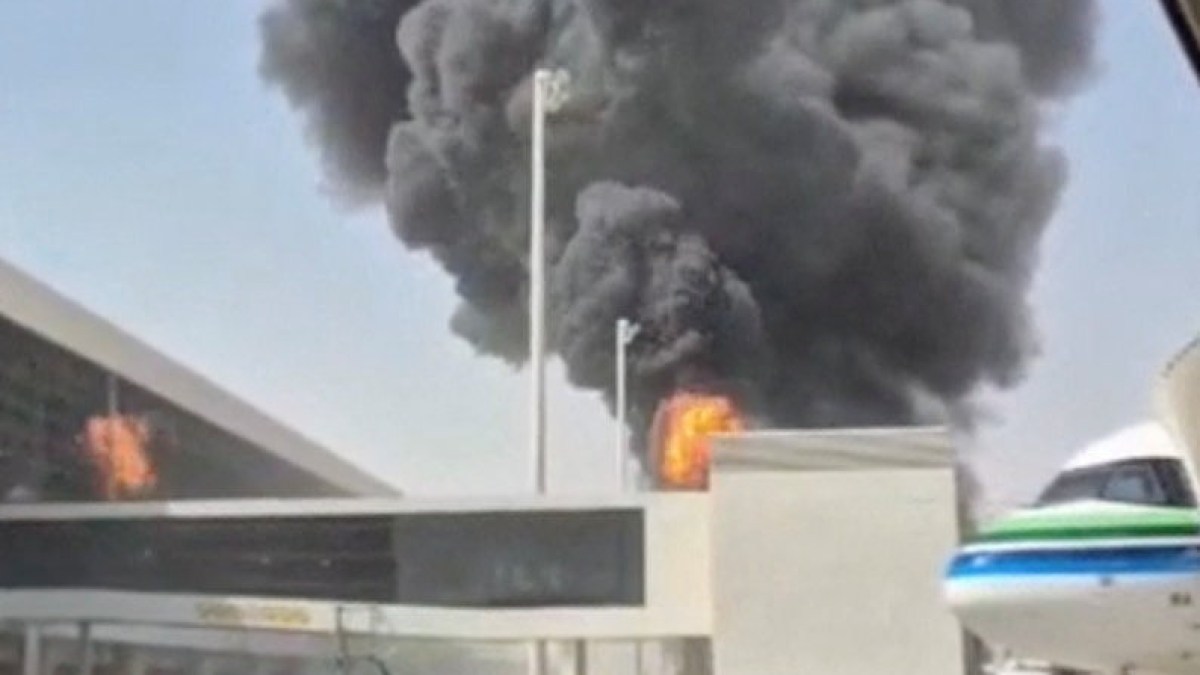
Fatalities Reported After Houthi Attacks on Riyadh Airport
On Thursday, a series of missile strikes executed by the Houthi movement resulted in the tragic deaths of three individuals, including a pilot, at King Khalid International Airport in Riyadh, Saudi Arabia. The incident has raised significant concern within the region and among international observers.
Overview of the Incident
According to a statement from the General Authority of Civil Aviation (GACA), the air strikes left two other Saudi civilians dead and caused injuries to numerous individuals, representing a mix of nationalities. The airline Saudia expressed deep sorrow over the loss of Captain Hamoud Ali Alkalthami in their communication about the incident.
Injuries and Operational Impact
Following the missile attacks, dozens sustained injuries ranging from minor to severe. Additionally, the strikes caused damage to infrastructure, including an aircraft operated by Saudia. However, reports indicate that airport operations have since resumed, with air traffic returning to normal.
Context of the Attacks
The recent attacks are part of a notable escalation in Houthi aggression toward Saudi Arabia, particularly targeting airports. Earlier incidents in the week had already led to civilian casualties, with three lives lost and over 36 injuries reported in separate strikes at Abha and King Khalid airports. Other attacks at Jazan and Najran airports, situated close to the Yemen border, also resulted in injuries.
Houthi Claims and Regional Response
A spokesperson for the Houthi military confirmed the launch of a ballistic missile towards King Khalid Airport, claiming it successfully hit its mark, leading to operational disruption. This strategy appears to reflect a resurgence of tactics seen in previous months, notably a similar missile intercepted over Riyadh last September.
Responses from Yemen and the Saudi-led Coalition
As tensions increase, the Iranian-backed Houthis have cautioned aviation companies to avoid Saudi airspace. They assert that flights operating outside of the sacred territories of Mecca and Medina are valid targets. A report from Al Jazeera indicated the Houthis aim to blockade Saudi airports as part of their strategy against the kingdom.
Broader Implications for the Yemeni Conflict
The renewed Houthi attacks coincide with a counteroffensive by Yemeni forces against the rebel group. Air strikes were observed in Sanaa, which remains under Houthi control, as well as in Aden, the administrative capital of Yemen. The Saudi-led coalition has taken action against Houthi rocket launch sites, emphasizing a commitment to respond decisively to any threat against civilians.
International Concerns and UN Response
The escalation has prompted Yemen’s internationally recognized government and Saudi Arabia to urge the United Nations Security Council to take measures to address the situation. They highlighted the ongoing threat to civilian safety and regional stability, calling for heightened international attention and action.
“The increasing targeting of civilians, the continuing threats to the security of navigation in the Red Sea and Bab al-Mandeb Strait, and the resulting repercussions that extend beyond Yemen and the region negatively affect international peace and security,” asserted Saudi representative Abdulaziz al-Wasil at a recent UN meeting.
Conclusion
The escalating violence in this ongoing conflict poses a serious challenge not only to Saudi Arabia but also to the entire region. As the situation develops, international observers will be closely monitoring responses from both the Saudi-led coalition and the Houthi movement, as well as the potential for broader regional implications.