


Indiana Conducts First Execution of the Year
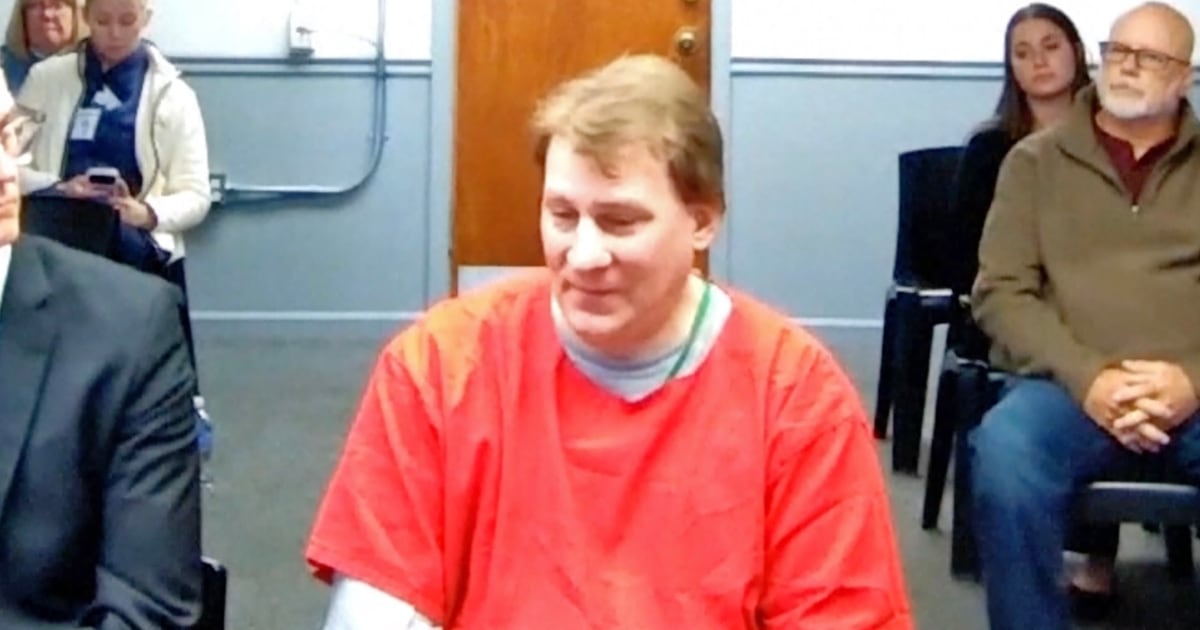
Early Thursday morning, Indiana executed its first prisoner of 2023. Jeffrey Weisheit, 50, was put to death via lethal injection after failing to halt the process despite ongoing legal challenges regarding the state’s opaque protocols for acquiring execution drugs.
Background on the Case
Weisheit was sentenced to death for the 2010 murders of siblings Alyssa Lynch, 8, and her brother, Caleb, 5, in a house fire in Evansville, Indiana. Following the execution, which took place just after midnight, he had no final words and was pronounced dead approximately 45 minutes later.
Legal Proceedings and Execution Details
The Indiana Supreme Court permitted the execution to continue after a narrow 3-2 decision late Wednesday. Dissenting justices expressed concern about the need for additional time to investigate the lethal drugs used, particularly in light of recent allegations regarding their questionable source.
State Response and Victims’ Advocacy
Following the execution, Indiana Attorney General Todd Rokita stated that the action delivered “long-awaited justice” for the victims. He emphasized accountability under Indiana law for those who commit egregious crimes against vulnerable individuals.
Pharmacy Concerns
Weisheit’s attorneys raised alarms about the state’s protocol for obtaining lethal injection drugs, claiming that the pharmacy involved, Pharmaneek, was under probation due to regulatory violations. An invoice revealed that six vials of pentobarbital were purchased for $275,000—significantly more than normal market prices.
Regulatory issues surfaced during inspections that indicated Pharmaneek’s failure to maintain proper drug storage practices, raising further doubts about the integrity of the execution drugs.
Clemency and Public Testimonies
Weisheit had been on death row for 13 years, and while he did not dispute his guilt, he sought clemency from Indiana Governor Mike Braun, asking for his death sentence to be commuted to life imprisonment without parole. The state’s parole board recommended that he be denied clemency, a decision that the governor upheld.
During the clemency hearing, the emotional testimonies from the children’s family members highlighted the profound impact of the murders. Lisa Lynch poignantly reminded the board of the unending pain caused by the loss of her children, saying, “Every birthday, every holiday, every landmark moment is marked by their agonizing absence.”
In contrast, Steven Lynch shared a message of forgiveness and mercy for Weisheit, reflecting on the tragedy that befell his family.
Conclusion
Weisheit’s execution marks a significant moment in Indiana’s ongoing discussions about capital punishment, particularly regarding the ethical implications of drug sourcing and public safety. As this event unfolds, questions remain regarding the transparency and reliability of the procedures surrounding lethal injections in the state.
