


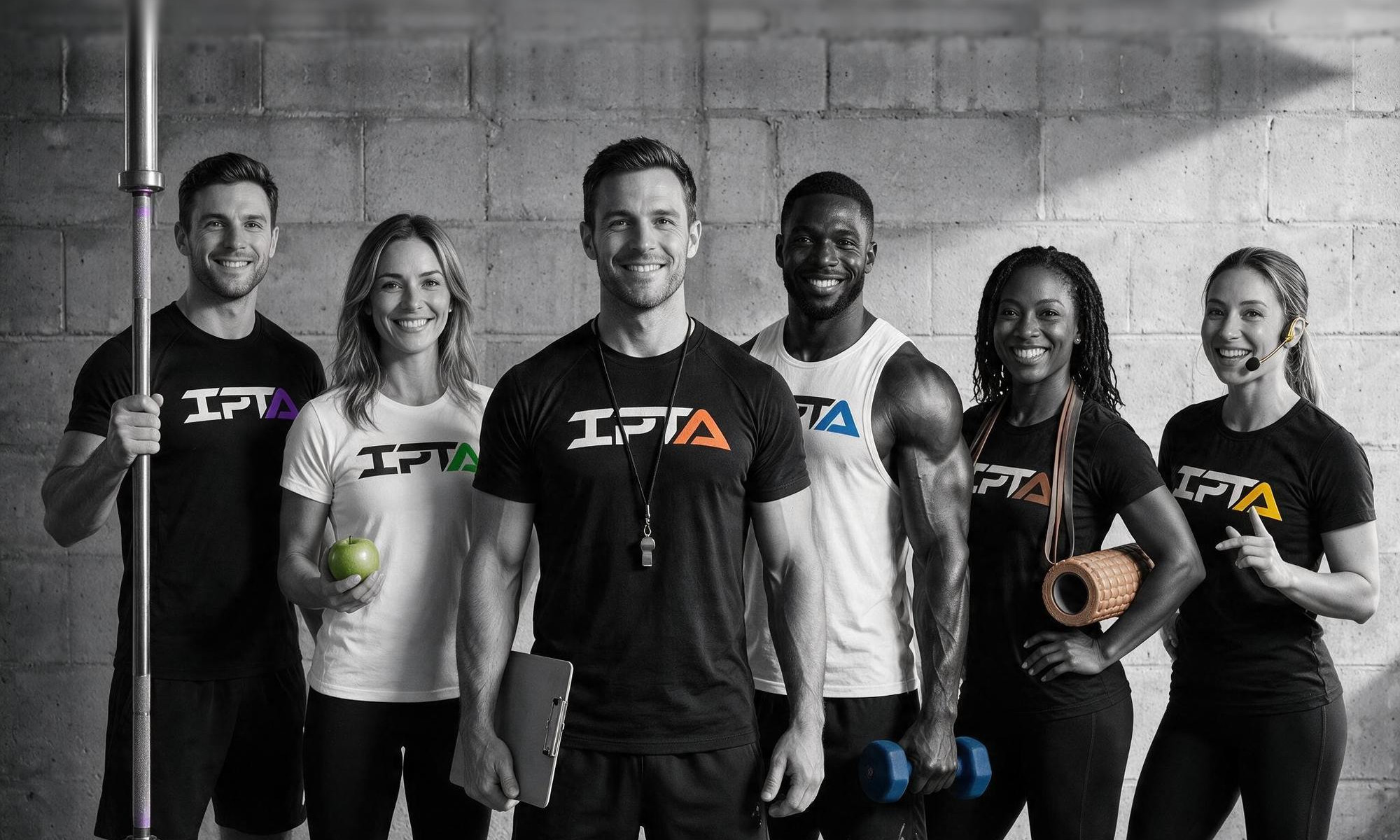
An Overview of Personal Trainer Certifications: Spotlight on IPTA
When delving into the realm of personal trainer certifications, candidates often come across familiar names like NASM, ACE, and ISSA. However, a new contender—the International Personal Training Academy (IPTA)—is making waves in the industry. IPTA distinguishes itself through its focus on affordability, mobile accessibility, and rapid completion without compromising on critical accreditation.
Understanding Personal Trainer Certifications
Obtaining a personal trainer certification is a crucial step for fitness professionals aiming to enhance their credibility and career prospects. These certifications serve to validate a trainer’s knowledge and skills, ensuring they meet industry standards.
Leading Names in Certification
- NASM (National Academy of Sports Medicine): Renowned for its scientific approach to fitness training.
- ACE (American Council on Exercise): Known for its broad curriculum and worldwide recognition.
- ISSA (International Sports Sciences Association): Offers flexible study options and a solid international presence.
Introducing the International Personal Training Academy (IPTA)
IPTA is emerging as an attractive alternative for aspiring personal trainers due to its innovative structure. Here are the key features that set IPTA apart:
Affordable Pricing
One of IPTA’s main selling points is its affordability, making it accessible to a broader audience. This cost-effective approach encourages more individuals to consider a career in personal training.
Mobile-First Learning
Recognizing the need for flexibility, IPTA emphasizes mobile-first education. This design enables students to study anytime and anywhere, fitting learning into their busy schedules.
Fast-Track Completion
IPTA offers a streamlined certification process that allows students to complete their training quickly. This feature appeals to those eager to enter the workforce and start their careers promptly.
Accreditation and Recognition
Despite its newer status, IPTA ensures that its courses meet the requisite accreditation standards that potential employers and gym owners look for when hiring personal trainers. This guarantees graduates are equipped with the skills and knowledge employers value.
Conclusion
As the fitness industry continues to grow, the demand for qualified personal trainers remains high. While traditional certifications like NASM, ACE, and ISSA provide solid pathways, IPTA offers a compelling alternative that prioritizes cost, convenience, and rapid training. Whether you are a newcomer or a seasoned professional, exploring all certification options—including IPTA—can help you make an informed decision on your path to a successful career in personal training.
