


Understanding the Outcome of the Israeli Elections
Significance of Exit Polls
The exit polls serve as preliminary indicators of potential election outcomes, but they become just the starting point. Following the polls, attention shifts to the official tally of votes, which sets the stage for coalition negotiations that may last weeks or even months.
Vote Counting and Consultations
Once the votes are officially counted—typically within a few days—the president consults with each elected party to gather their preferences for a prime ministerial candidate. This process allows for a more comprehensive understanding of party alignments and support.
The Coalition Formation Process
Following these consultations, the president selects one candidate to attempt to form a government. This candidate is not always the leader of the largest party; rather, it is often the individual deemed most capable of assembling a viable coalition.
Current Political Landscape
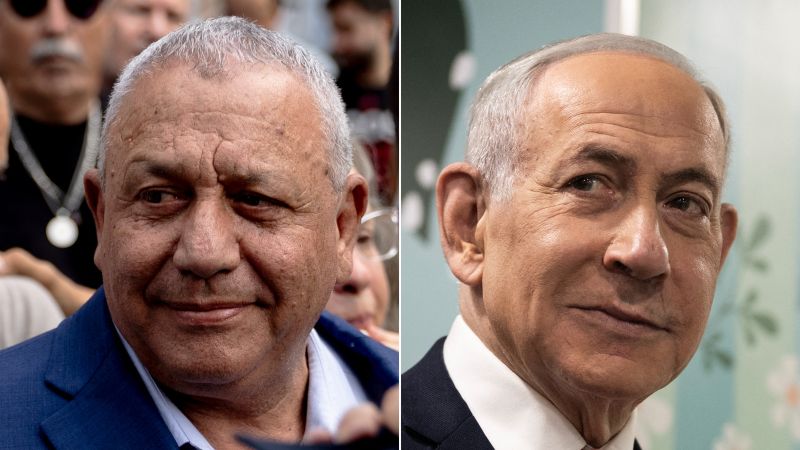
As the situation stands, incumbent Prime Minister Benjamin Netanyahu may face challenges. The current dynamics suggest that significant opposition from both opposition parties and Arab factions might prevent his candidacy from being recommended.
If Netanyahu is indeed bypassed, it is anticipated that President Isaac Herzog may offer Gadi Eisenkot the initial opportunity to form a new government.
Timeframe for Negotiations
Eisenkot would be given a span of four to six weeks to negotiate cabinet positions, budgetary approaches, and policy plans to secure a majority in the Knesset. The involvement of Arab parties, particularly in light of current exit poll sentiment, could prove crucial in these negotiations.
The Role of Opposition
A recent survey by the Hebrew University’s aChord Center indicates that a majority of opposition voters support Eisenkot forming a coalition government with Ra’am, which is one of the Arab parties.
Uncertainties Ahead
Should Eisenkot struggle in forming a government—a significant possibility due to his relative inexperience—Netanyahu may again rise as an option to lead. If this second attempt fails, the Knesset will have a limited time frame to propose another candidate. Failure to do so would trigger new elections.
Conclusion
The unfolding events surrounding the Israeli elections illustrate that success extends beyond simply winning votes; it requires adept coalition-building and sustaining viable governance. The balance of power is delicately poised, and the coming days will be critical in determining the future direction of Israeli leadership.