


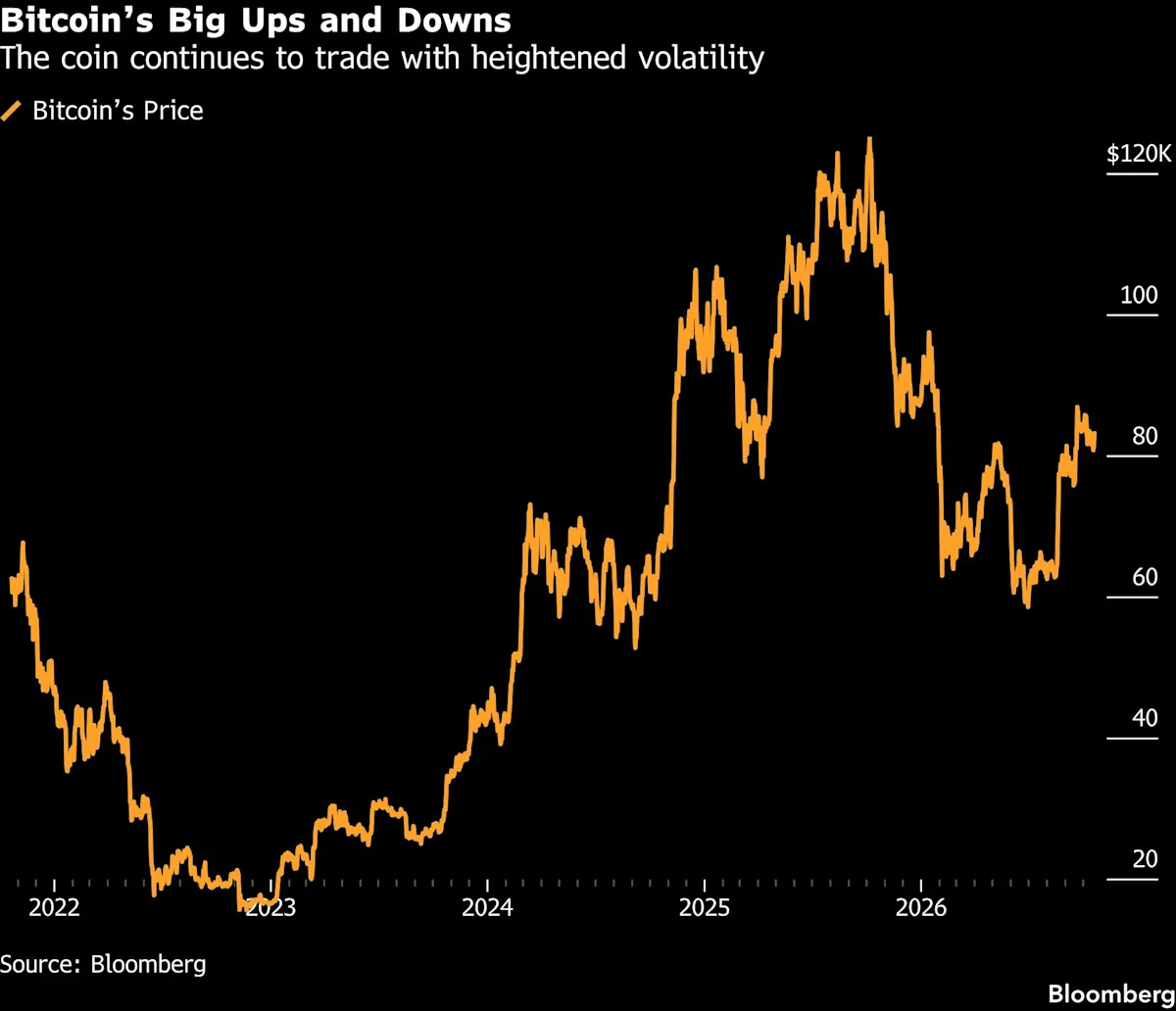
JPMorgan Asset Management Forecasts Bitcoin’s Returns Amid Volatility Concerns
In a significant development for cryptocurrency acceptance among traditional financial institutions, JPMorgan Asset Management has incorporated Bitcoin into its long-term capital market assumptions for the first time. In a recent report, the firm projected that Bitcoin could generate annualized returns exceeding those of conventional assets such as stocks, bonds, and gold.
Returns and Volatility: A Double-Edged Sword
JPMorgan’s analysis outlines a base case scenario predicting annualized returns of 10% over the next decade. However, this optimistic forecast comes with a substantial caveat: the anticipated annual volatility of 55%, which is over three times higher than that of U.S. large-cap stocks. The report advises caution, noting that this extreme volatility may undermine Bitcoin’s attractiveness on a risk-adjusted basis.
Challenge of Compounded Returns
The report highlights a critical issue: such high volatility can adversely affect compounded returns. For instance, significant losses in the Bitcoin market necessitate even greater gains for recovery. This volatility has been particularly troubling for investors who purchased Bitcoin near its peak of approximately $126,000 in 2025, only to witness their investment values plummet by as much as 50% during subsequent downturns.
JPMorgan’s Cautious Approach
In light of these challenges, JPMorgan refrained from integrating Bitcoin into its main portfolio models. The team, including analysts Tim Lintern, Thushka Maharaj, and Sean Daly, stated,
“We believe it is premature to consider BTC as a diversifier in a balanced portfolio.”
They emphasized that should Bitcoin’s volatility decrease and its correlations with other assets stabilize, its role in portfolios might evolve, particularly as regulatory clarity and market liquidity improve.
Wall Street’s Growing Interest in Cryptocurrencies
Since the COVID-19 pandemic, Wall Street has increasingly engaged with cryptocurrencies, evolving from cautious observation to genuine ventures. Notably, firms have begun offering crypto trading options, launching crypto-focused funds, and experimenting with tokenization.
Investor Sentiment and Future Prospects
While many view Bitcoin primarily as a speculative asset, there is a notable shift in investor interest. According to a recent survey, about 10% of clients reported holding cryptocurrencies in their portfolios, with approximately 17% planning to prioritize crypto investments. This increasing interest can partly be attributed to the maturation of the regulatory landscape surrounding cryptocurrencies.
Looking Ahead
Despite Bitcoin’s current limitations as a portfolio diversifier due to its unstable correlations with traditional assets, JPMorgan’s researchers remain optimistic. They suggested,
“If correlations stabilize and volatility declines, BTC’s portfolio utility may improve in the future.”
Macro Trends Influencing Asset Returns
The report also delved into broader economic trends impacting asset returns over the next decade. It identified drivers such as economic nationalism, technology adoption, and capital reallocation that could influence market dynamics. Analysts anticipate a $15 trillion “global capex supernova” to propel growth and boost asset returns.
Notably, while technology adoption is often associated with advancements in artificial intelligence, the report indicated that breakthroughs in fields such as medicine, robotics, and space are also likely to contribute to investment and economic productivity in the coming years.
