


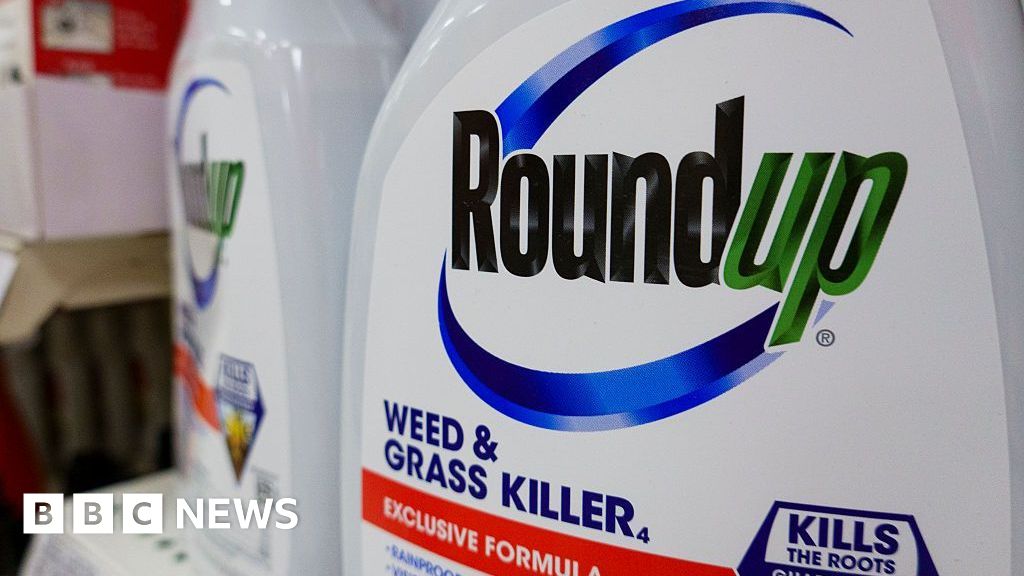
Bayer’s $7.25 Billion Settlement for Roundup Cancer Claims Approved
A significant legal development has emerged from Missouri, where a judge has given the green light to Bayer’s substantial settlement concerning claims that its Roundup weedkiller is linked to cancer.
Settlement Overview
The approved settlement amounts to $7.25 billion and seeks to resolve numerous lawsuits from individuals who allege that exposure to Roundup herbicide has resulted in various cancer diagnoses, including non-Hodgkin lymphoma. This ruling marks a pivotal moment in Bayer’s ongoing legal challenges surrounding its widely used herbicide.
Background of Roundup Litigation
Roundup, which contains the active ingredient glyphosate, has been under scrutiny in recent years as more consumers have reported health issues following its use. The legal battles intensified after multiple jury verdicts found Bayer liable for failing to adequately warn users about the potential cancer risks associated with Roundup.
Details of the Settlement
- Settlement Amount: $7.25 billion.
- Claims Covered: Lawsuits related to cancer, primarily non-Hodgkin lymphoma.
- Judicial Approval: The settlement was approved by a Missouri judge, solidifying Bayer’s financial commitment to address these claims.
Bayer’s Response
In light of the ruling, Bayer has expressed its intention to resolve the disputes amicably and move forward. The company maintains its position that glyphosate is safe when used as directed, but acknowledges the need to bring closure to the affected individuals and their families.
Implications for Bayer and Glyphosate
This settlement reflects the complexities surrounding the use of glyphosate and its regulation. As Bayer navigates its ongoing legal landscape, the decision may influence future approaches to herbicide safety and regulatory scrutiny.
Conclusion
The approval of Bayer’s $7.25 billion settlement is a landmark moment in the ongoing discourse about glyphosate’s safety. As this situation develops, stakeholders will be closely monitoring the implications for agricultural practices and consumer safety.
