


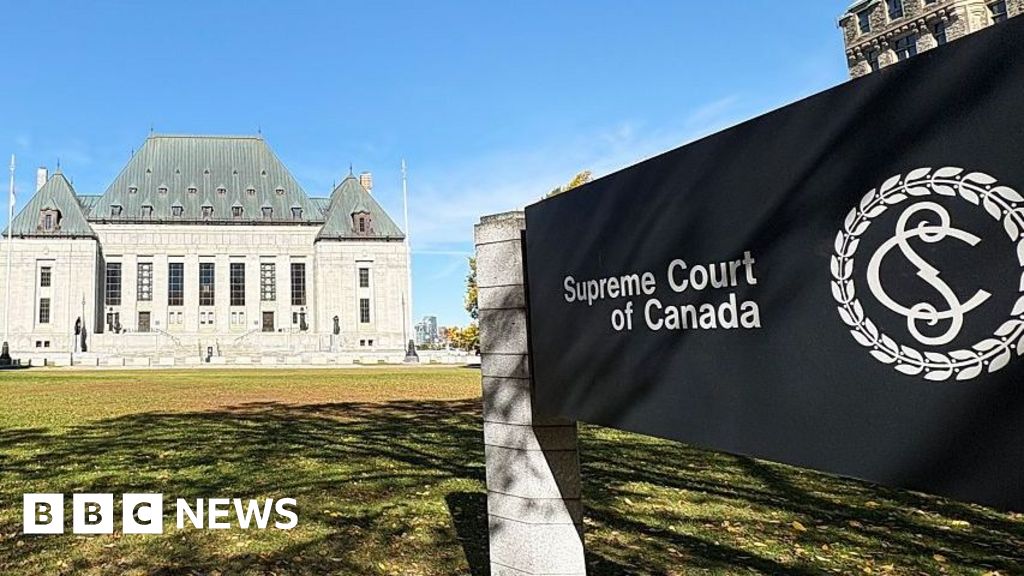
Supreme Court Upholds Quebec’s Ban on Religious Symbols for Public Servants
Key Ruling by Canada’s Supreme Court
The Supreme Court of Canada has largely affirmed the constitutionality of Quebec’s legislation prohibiting public servants from wearing religious symbols while on duty. This decision supports the province’s broader goals regarding secularism and the separation of religion from governmental functions.
Background of the Legislation
Quebec’s controversial secularism law, known as Bill 21, was enacted in June 2019. The legislation mandates that certain public sector employees, including teachers, police officers, and judges, must refrain from displaying religious symbols while performing their professional roles. Proponents argue that the law is essential for maintaining state neutrality in matters of religion.
Reactions to the Ruling
The court’s decision has elicited a mix of support and criticism. Supporters of the law contend that it is a necessary measure to promote a secular state, while opponents argue that it infringes on individual freedoms and discriminates against religious minorities. This ruling is expected to further fuel the dialogue surrounding secularism and religious expression in Canada.
Implications for Public Servants
The ruling reinforces the existing framework within which public servants operate concerning religious expressions. As a result, those affected by Bill 21 must navigate their professional obligations in light of this legal confirmation. This may lead to ongoing challenges for individuals wishing to express their religious beliefs while adhering to the law’s requirements.
Conclusion: A Divisive Issue Remains
As Quebec continues to uphold its secular values through legislative measures, the implications of this ruling are likely to resonate across Canada. The balance between maintaining a secular state and respecting individual rights presents a significant challenge, suggesting that this topic will remain at the forefront of public discourse in the coming years.