


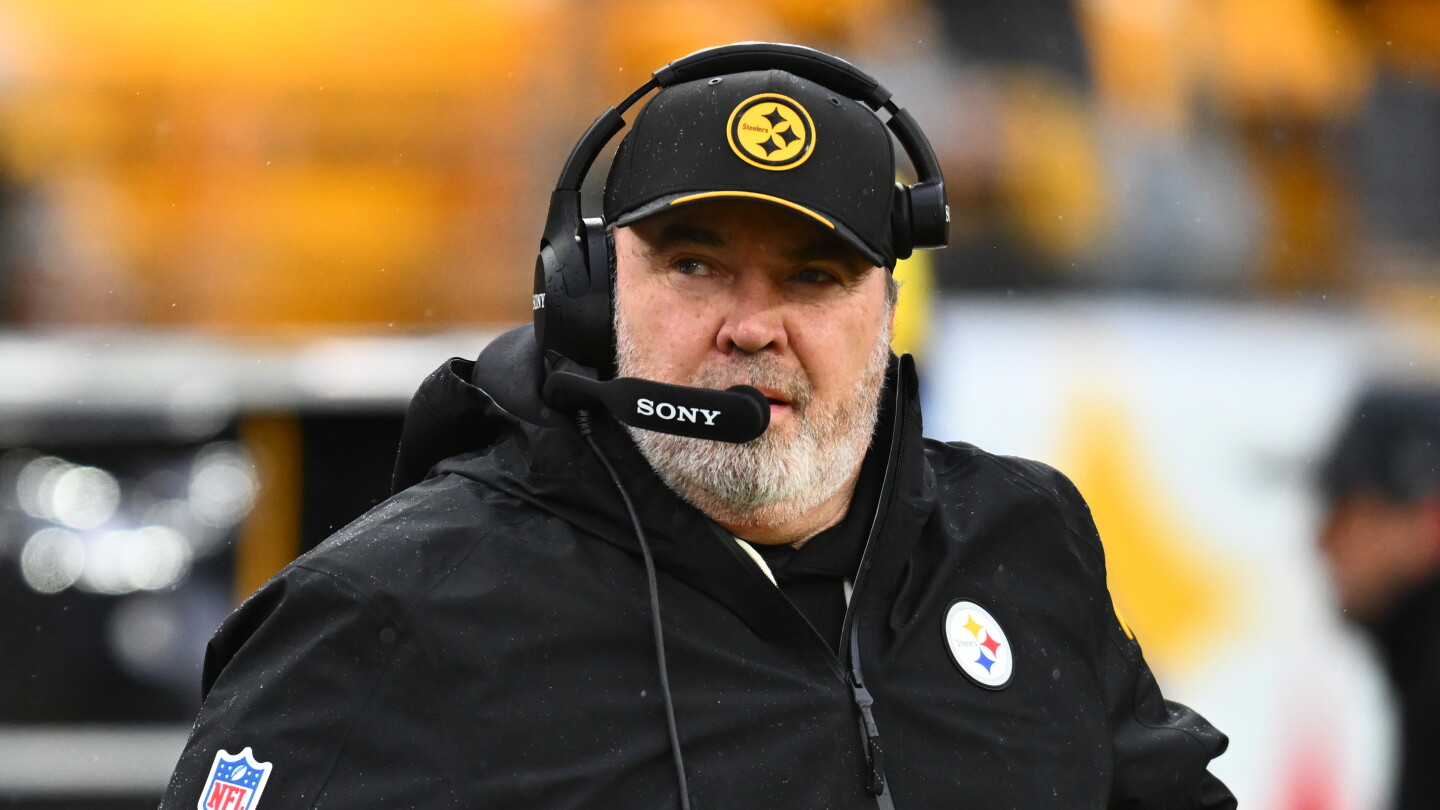
Steelers Coach McCarthy Reflects on Team Accountability After Win
The Pittsburgh Steelers achieved an impressive 27-5 victory against the Denver Broncos, a team with a strong 8-2 record. Following the game, head coach Mike McCarthy maintained a composed demeanor, opting not to express any anger or resentment.
Addressing Defensive Responsibilities
In a candid moment with reporters, McCarthy acknowledged a personal shortcoming. He admitted, “I have not spent enough time with the defense.” This reflection highlights the broader organizational responsibility and the adjustments needed as the season progresses. He mentioned that his role’s dynamics would be assessed in the upcoming offseason.
Learning from the Past
McCarthy’s remarks were prefaced by a valuable lesson from his childhood in Pittsburgh. He quoted his father, saying, “My father used to tell me all the time as a kid, ‘You tell the truth, you only have to tell your story once.’” This perspective serves as a foundation for his approach to both leadership and accountability.
Contrasting Perspectives on Accountability
This week has seen a divergence in perspectives regarding accountability within the Steelers organization. While McCarthy accepts his flaws and sees room for improvement, former Steelers quarterback Aaron Rodgers expressed concerns about publicly discussing McCarthy’s shortcomings.
Rodgers stated, “The code or sanctity exists to protect the integrity of the locker room, not to provide immunity from accountability for its leadership.”
Though Rodgers’ sentiment underscores the importance of accountability, questions arise about the appropriateness of exposing internal matters for public scrutiny. McCarthy’s accountability lies with team owner Art Rooney II, raising doubts about whether media revelations serve any constructive purpose.
The Debate on Locker Room Confidentiality
Rodgers’ comments evoke a larger debate regarding the boundaries of accountability within the team’s dynamics. The fundamental question remains: when is it justified to breach confidentiality for the sake of accountability? As there are no clear protocols governing such situations, the actions taken by Rodgers reflect personal judgment rather than a collective decision.
Conclusion
The dichotomy of perspectives emerging from this situation prompts fans and analysts alike to evaluate the implications of both McCarthy’s candid admission of responsibility and Rodgers’ controversial stance on accountability. The resolution of this discussion may influence the Steelers’ future performance and overall team cohesion.
