


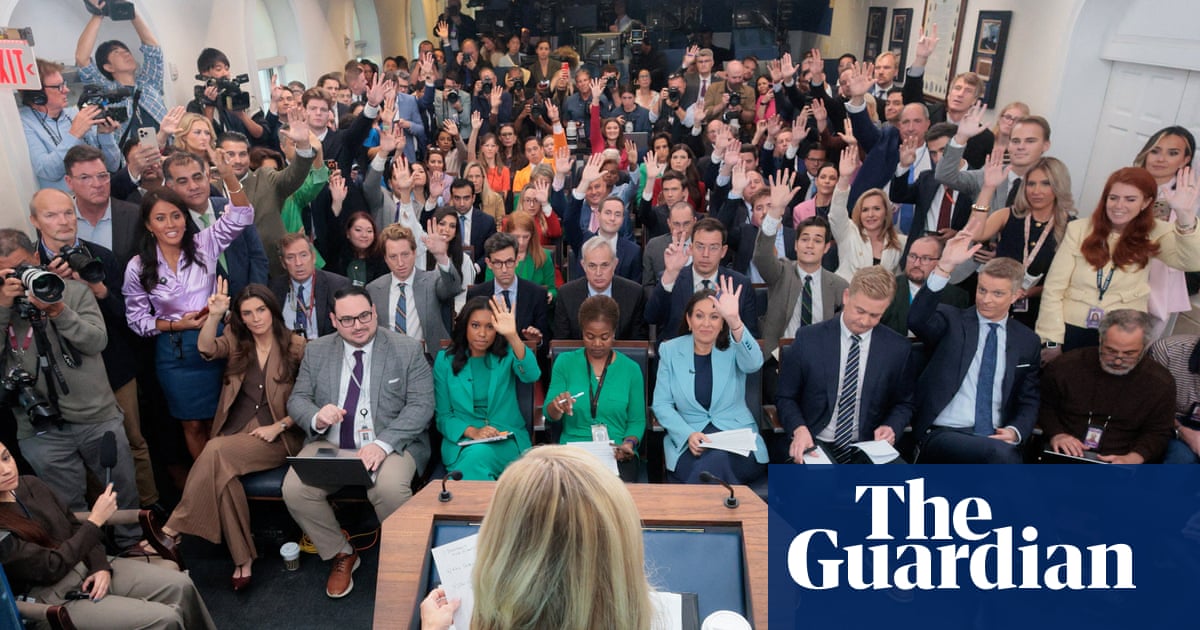
Judge Orders White House to Reinstate Media Access Amid Ongoing Lawsuit
On Tuesday, a federal district judge ruled that the White House must continue granting access to journalists from CNN, MS Now, and Politico while a lawsuit against the Trump administration proceeds. The decision follows an emergency request from the media coalition after the president imposed a ban on their access.
Background of the Case
The legal battle began when President Trump revoked the press credentials of the three news organizations in a move he claimed was triggered by their “constant ‘reporting’ FAKE NEWS.” On September 24, Judge Timothy Kelly had previously provided a 14-day temporary restraining order, allowing reporters from the organizations to access the White House, which was set to expire this week.
Details of the Ruling
In his latest ruling, Judge Kelly stipulated that all parties involved (excluding President Trump) must refrain from enforcing the ban that was issued on September 18, 2026. The judge’s preliminary injunction maintains the access journalists have had since the initiation of the temporary restraining order.
The media coalition filed their lawsuit on September 21, arguing that the ban constituted a violation of their constitutional rights. With the expiration of the initial restraining order, the journalists returned to court seeking a preliminary injunction to prevent the enforcement of the ban during the prolonged legal proceedings.
Judicial Considerations
During the court proceedings at the E Barrett Prettyman Federal Courthouse, Judge Kelly expressed skepticism about the government’s stance on the case, indicating a significant issue with notification procedures regarding the press badge revocations. Notably, the White House had failed to provide preemptive notice to the affected media organizations, sending out notices only after access rights were taken away.
In his ruling, Judge Kelly commented on the likelihood of the plaintiffs succeeding on both their due process and First Amendment claims. He underscored the precedent that once access has been granted to journalists, it cannot be arbitrarily revoked based on editorial slants.
Implications of Trump’s Statements
During the arguments leading up to the ruling, media attorney Theodore J. Boutrous referred to President Trump’s recent comments in a Time magazine interview, which revealed that the bans were specifically aimed at press coverage the president found unfavorable. “The case has gotten stronger for the plaintiffs thanks to President Trump,” Boutrous asserted.
Judge Kelly appeared to agree with this assessment, noting that Trump’s admissions indicated an intent to influence media reporting, which could potentially deter journalists from their usual reporting behavior.
Temporary Developments Post-Ruling
While the White House has generally complied with the judge’s temporary access ruling, there have been instances where journalists from CNN and Politico were not allowed to fulfill their responsibilities during presidential pool duties. This was due to the administration’s interpretation of the ruling, limiting it to access to the White House complex rather than extending it to areas like Air Force One or the Oval Office.
Legal and Public Reactions
Judge Kelly mandated the plaintiffs to post a nominal bond of $1 in connection to the ruling. In response, Boutrous criticized the president’s actions, stating, “When the President issued his ‘ban on the free press,’ he blatantly and explicitly violated due process and the First Amendment.” He emphasized the significance of the court’s decision to maintain access to the White House, referring to it as an “unconstitutional ban on the free press.”
