


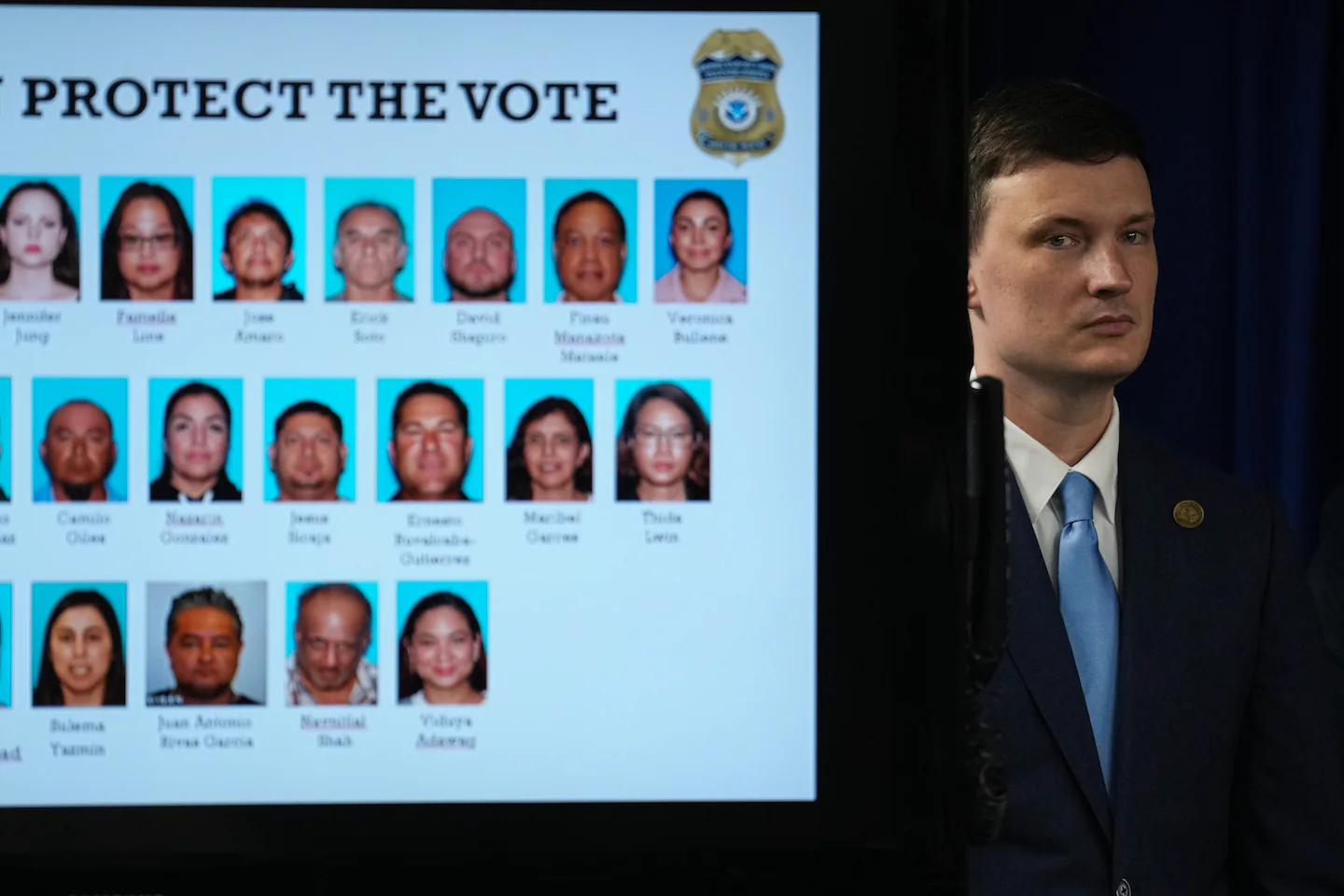
U.S. Judge Limits DHS Investigations into Noncitizen Voting
Overview of the Ruling
A recent ruling by a federal judge has placed restrictions on investigations conducted by the Department of Homeland Security (DHS) related to noncitizen voting. The judge’s decision, prompted by concerns over the reliability of data used in these investigations, aims to halt what has been characterized as an overreach by federal agencies in scrutinizing voting behaviors among noncitizens.
Background of the Investigations
The DHS, under the previous administration, had initiated various operations to identify individuals engaging in voter fraud—specifically targeting those suspected of voting illegally as noncitizens. Recent actions included armed federal agents visiting residences in search of evidence of such voting violations. These federal operations raised widespread concerns about the implications for voter rights and civil liberties.
Concerns Over Data Validity
In his ruling, the judge emphasized the necessity of using accurate and reliable data when conducting investigations of this magnitude. He noted that the data previously cited by DHS lacked sufficient credibility, thus undermining the justification for the investigations being pursued. This ruling reflects a growing skepticism about the legitimacy of claims surrounding noncitizen voting and highlights the importance of verifiable information in shaping electoral policies.
Current Context: Midterm Elections
As the midterm elections approach, concerns regarding voter integrity and fraud allegations have increased, making this ruling particularly significant. The outcome of upcoming elections could be influenced by both public perception and the ongoing discourse surrounding election security. The federal restrictions might alter the landscape of voter investigations ahead of critical voting dates.
Implications for Future Investigations
This ruling has implications for the future conduct of DHS protocols relating to voter fraud investigations. Should the agency seek to continue its operations, it may need to reevaluate its data management practices and develop a framework that ensures transparency and accuracy in its methods.
