


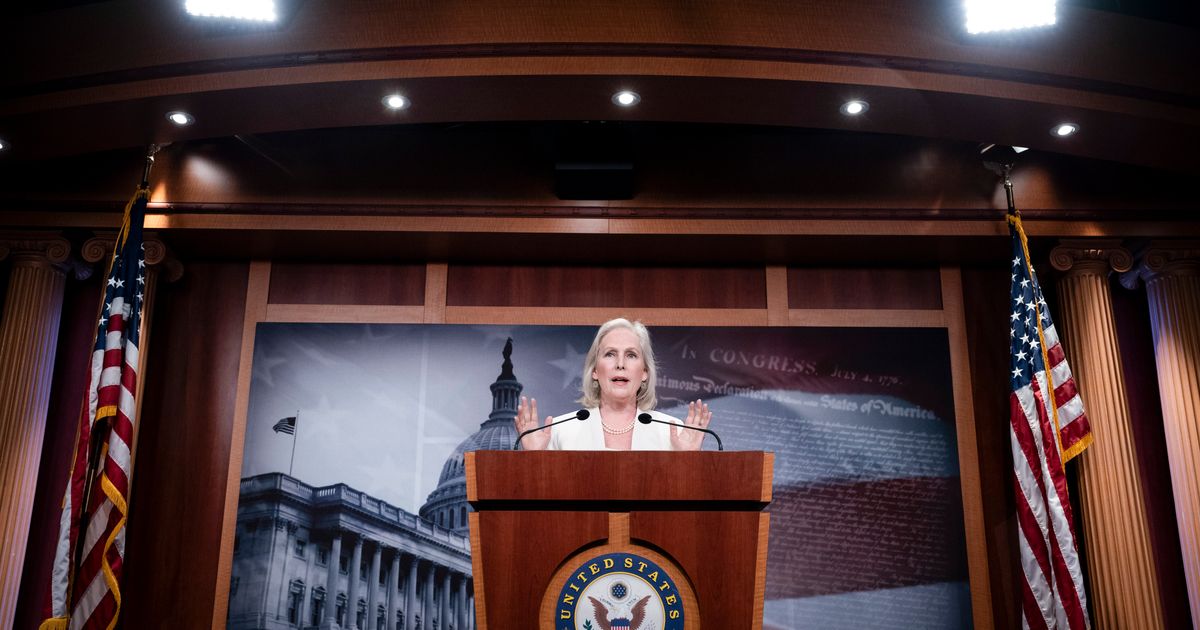
Kirsten Gillibrand’s Engagement with Cryptocurrency Legislation
Photo: Haiyun Jiang/The New York Times/Redux
In the political landscape of the United States, Senator Kirsten Gillibrand has emerged as a prominent advocate for cryptocurrency regulation. This shift in focus comes amid her notable transformation from a conservative Democrat to a progressive figure advocating for various social issues, including financial innovation.
From Traditional Politics to Crypto Advocacy
Initially entering politics as a centrist voice from a conservative New York district, Gillibrand has significantly pivoted over her two-decade career. Following her appointment to the Senate, she became an outspoken proponent against sexual assault in the military and on campuses. Her progressive stance solidified during her presidential bid in 2019, where she called for reforms against entrenched systems of power. Surprisingly, her current major focus on cryptocurrency represents a marked departure from her earlier political trajectory.
Discovery and Interest in Cryptocurrency
Gillibrand’s engagement with the cryptocurrency sector began shortly after her presidential campaign concluded. Her early encounters with crypto came through discussions with constituents and financial regulators, coupled with her attendance at hearings addressing cybercrime. “In the early stages, nobody knew anything about it. I didn’t know anything about it. So I started reading some books and listening to podcasts and trying to understand what the industry was about,” she noted during our interview.
As she delved deeper into the intricacies of cryptocurrency, she became increasingly frustrated with the lack of congressional action regarding the emerging industry. Having spent 15 years as a securities lawyer before her political career, Gillibrand expressed confidence in her ability to navigate complex regulatory issues.
Legislative Innovations: The GENIUS and CLARITY Acts
In her legislative efforts, Gillibrand took a significant step in 2025 as the principal Democratic sponsor of the GENIUS Act, which established federal regulations for stablecoins—digital tokens linked to U.S. dollar values. Reports indicated her active involvement in gathering support from hesitant Democrats and advocating for bipartisan collaboration to pass the bill.
This year, she continued her advocacy with the CLARITY Act, aiming to move much of the digital asset trading regulatory framework from the Securities and Exchange Commission (SEC) to the Commodity Futures Trading Commission (CFTC). Proponents saw this bill as crucial for the crypto industry’s expansion, providing much-needed regulatory support that could benefit various stakeholders.
Concerns Over Ethical Quandaries and Industry Ties
Despite the legislative pursuits that have positioned Gillibrand as a central ally for the crypto industry, her association has sparked questions about potential ethical dilemmas. Notably, her son Theo is connected to a startup partially funded by cryptocurrency investors, raising concerns regarding potential conflicts of interest. Gillibrand has also received substantial donations from crypto industry figures, which further complicates her political stance.
The Broader Implications of Cryptocurrency Regulation
Gillibrand views cryptocurrency as a potential solution to financial inclusion challenges, particularly for the unbanked residents of New York. As she noted, “One of the use cases of crypto that was brought to me very early when I started meeting with stakeholders — they’re like, ‘This democratizes finance.’” Her argument centers on the idea that properly regulated crypto could help bridge existing financial gaps.
However, critiques have emerged surrounding the practicality of her proposals, highlighting that many consumers currently need a bank account to access crypto services. Experts caution that easing regulations could intertwine the crypto sector more closely with traditional financial systems, potentially increasing systemic risks.
Conclusion
Kirsten Gillibrand stands at the forefront of cryptocurrency legislation, advocating for comprehensive regulations amidst her evolving role in the Democratic Party. Her efforts encapsulate a broader debate about the intersection of innovation, regulation, and ethics in the face of rapid technological advancement in finance. As she continues to navigate complex relationships with industry stakeholders and political peers, the implications of her initiatives will resonate across the financial landscape.
