


Rabid Raccoon Reported in Los Angeles County After 50 Years
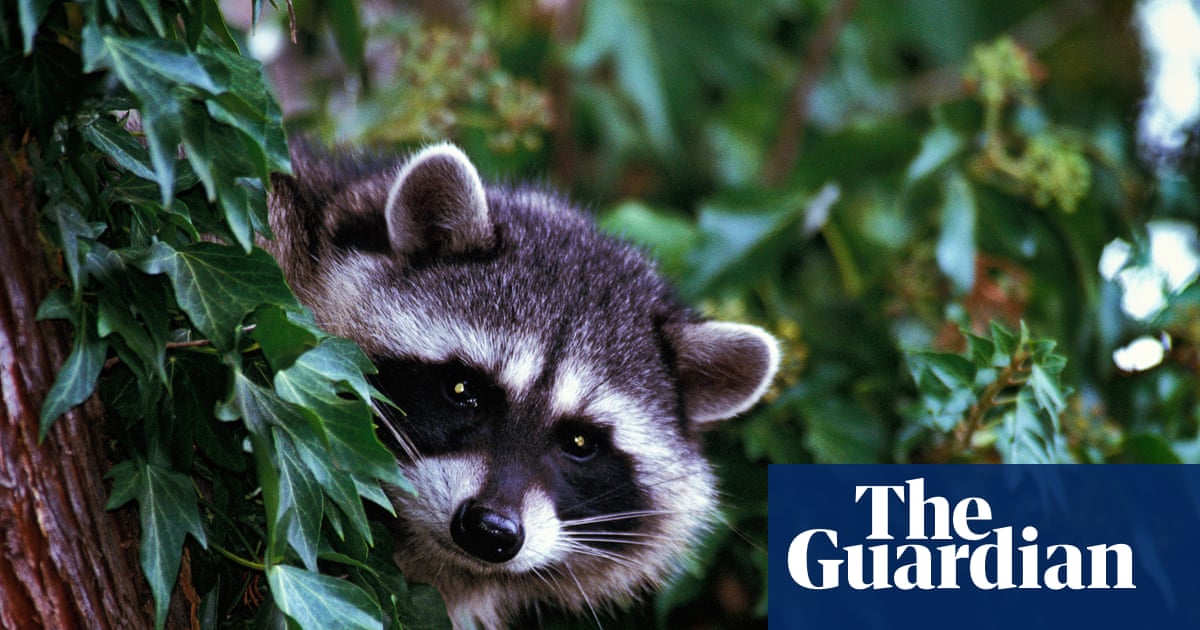
Los Angeles County has observed a significant health concern with the recent identification of the first rabid raccoon in over five decades. This alarming development has led health officials to reiterate safety measures for residents regarding encounters with wildlife.
Details of the Incident
The Los Angeles County Department of Public Health disclosed that four individuals and a dog potentially came into contact with the rabid raccoon at a work site located in Westlake Village. Although the raccoon exhibited poor health, it did not display aggressive behavior.
Understanding Rabies and Its Risks
Rabies is a viral disease primarily transmitted through bites or scratches from infected animals. It continues to be a global health issue, with tens of thousands of fatalities reported annually, particularly in Africa and Asia. However, the United States experiences an average of fewer than ten rabies-related deaths each year, largely due to effective preventive measures, according to the Centers for Disease Control and Prevention (CDC).
Official Recommendations
Health officials emphasize the importance of maintaining a safe distance from wild animals. Dr. Muntu Davis, the Los Angeles County health officer, stated, “The detection of rabies in a raccoon is an important reminder to never touch, handle, or feed any wild animals, even when they appear healthy.” Residents are encouraged to report any wildlife that seems sick or is acting abnormally to local animal control and ensure that their pets are vaccinated.
Follow-Up Care for Possible Exposures
The individuals who were possibly exposed to the raccoon are currently receiving follow-up care, which includes a series of rabies vaccinations. Meanwhile, the dog involved in the incident is healthy and is quarantined, having received its rabies vaccine on schedule.
Historical Context and Current Statistics
This case marks a pivotal moment in Los Angeles County, which has not seen a rabid raccoon since 1973, with the last recorded instance of rabies in wildlife, aside from bats, being a skunk in 2014. Alarmingly, the county has reported its highest number of rabid bats on record this year, with 69 confirmed cases, indicating a concerning increase in rabies transmission among local wildlife.
Conclusion
As the incidence of rabies appears to be rising, the health department urges residents to remain vigilant and proactive in their interactions with wildlife. Ensuring pets are up-to-date on vaccinations is a crucial step in safeguarding both animal and human health.
For more information, visit the CDC website.
