


Congressional Expense Reimbursements amid Salary Freeze
As members of the House of Representatives face a pay freeze that has persisted for nearly two decades, they have found a way to mitigate the increased cost of living in Washington, D.C., by utilizing a little-known reimbursement program for housing and meals. Since 2023, lawmakers can seek reimbursement for certain expenses incurred while conducting official business, easing their financial burden without needing detailed receipts.
Understanding the Salary Situation
House representatives currently receive an annual salary of $174,000, a figure that has remained unchanged since 2009 due to blocked cost-of-living adjustments. Various Congressional decisions have stifled proposed raises, drawing criticisms regarding the adequacy of compensation for those serving the public in a city known for its high living costs.
Reimbursement Benefits
The expense reimbursement system allows lawmakers to claim back costs for lodging and meals associated with their time in D.C. To file for these reimbursements, they only need to certify that the expenses were incurred in the line of duty and confirm that they have not received other payments for the same costs. As of fiscal year 2025, the reimbursement cap stands at $178 per day, aligning with federal per diem limits.
Financial Impact on Taxpayers
Data from reviews conducted by The Boston Globe and The Washington Post highlights a significant uptick in reimbursements in fiscal year 2025, with 360 out of 435 House members filing claims totaling approximately $6.7 million. This figure reflects a 21% increase from the previous year. Notably, Representative Lance Gooden (R-Texas) emerged as the top claimant, submitting a total of $79,914.32 for lodging and meals.
Regional Breakdowns
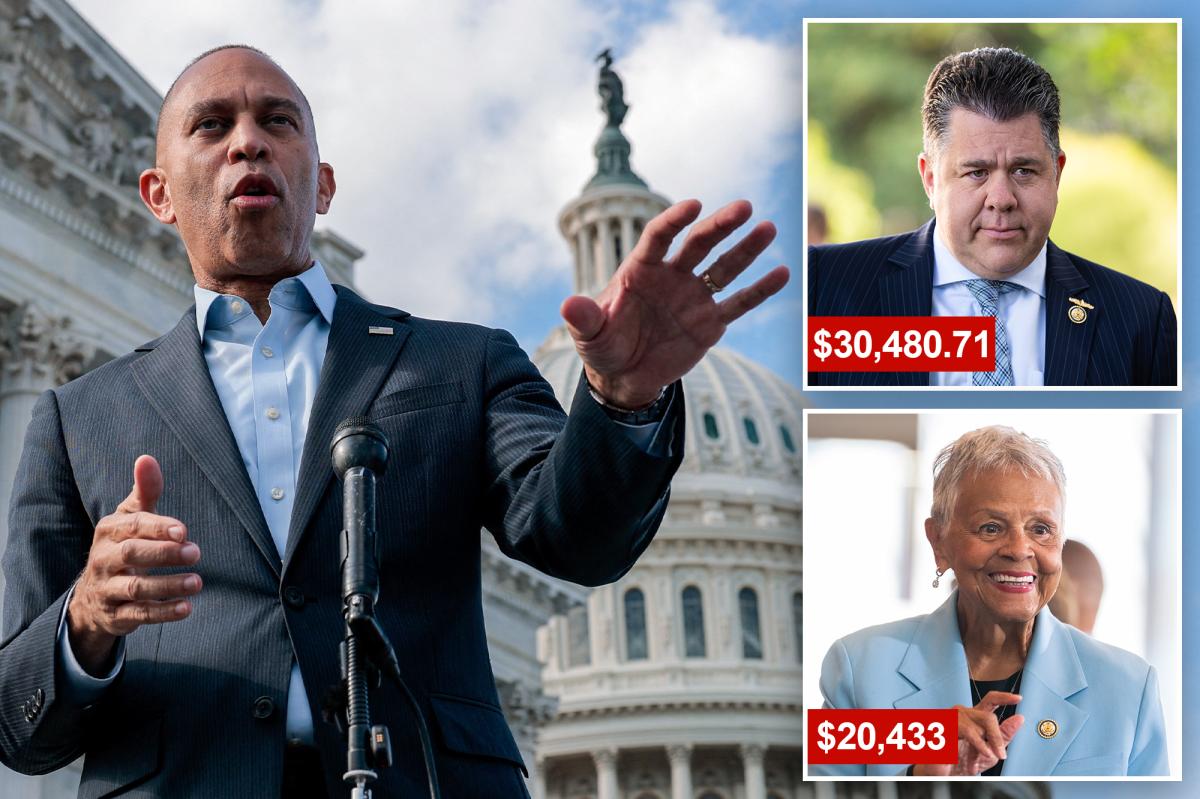
Among lawmakers from New York, New Jersey, and Connecticut, total reimbursements amounted to $672,000 during the same fiscal year. Representative Nick LaLota (R-NY) claimed the highest amount in this group, with reimbursements reaching $30,480.71 through 44 separate requests.
Representative Bonnie Watson Coleman (D-NJ) reported $20,433, attributed to travel expenses and lodging in D.C., although her spokesperson noted that Coleman does not typically seek reimbursements for meals.
Context of the Reimbursement System
The reimbursement program was implemented to address the financial challenges lawmakers face, as they must maintain residences in their home districts while also covering housing expenses in Washington. With rents in D.C. averaging between $2,300 and $2,500 per month, this issue has spurred debates on fair compensation for Congress members, especially considering previous reports of representatives residing in their Capitol Hill offices to avoid high living costs.
Ongoing Legal Challenges and Future Implications
Some lawmakers have gone as far as to challenge the constitutionality of the compensation freeze itself. A lawsuit citing the 27th Amendment, which prevents pay adjustments from taking effect until a new Congress convenes, has gained traction. A recent federal court ruling allowed the case to advance, although its ultimate outcome is still uncertain.
Conclusion
As lawmakers continue to explore ways to manage the financial pressures of working in Washington, the controversial reimbursement program remains a crucial element in their financial strategy, potentially impacting taxpayers while Congress grapples with its salary structures and compensation practices.
