


The Impact of Online Misinformation on Vaccination Choices
Overview of Misinformation in Online Communities
A recent measles outbreak in Lancaster County, Pennsylvania, has highlighted the troubling rise of health misinformation in social media groups, notably those like Crunchy Moms, which has grown to over 490,000 members. Parents are increasingly turning to these communities for advice on vaccination, with some expressing significant concerns about the health risks for their children.
Discussion of Vaccine Safety and Community Responses
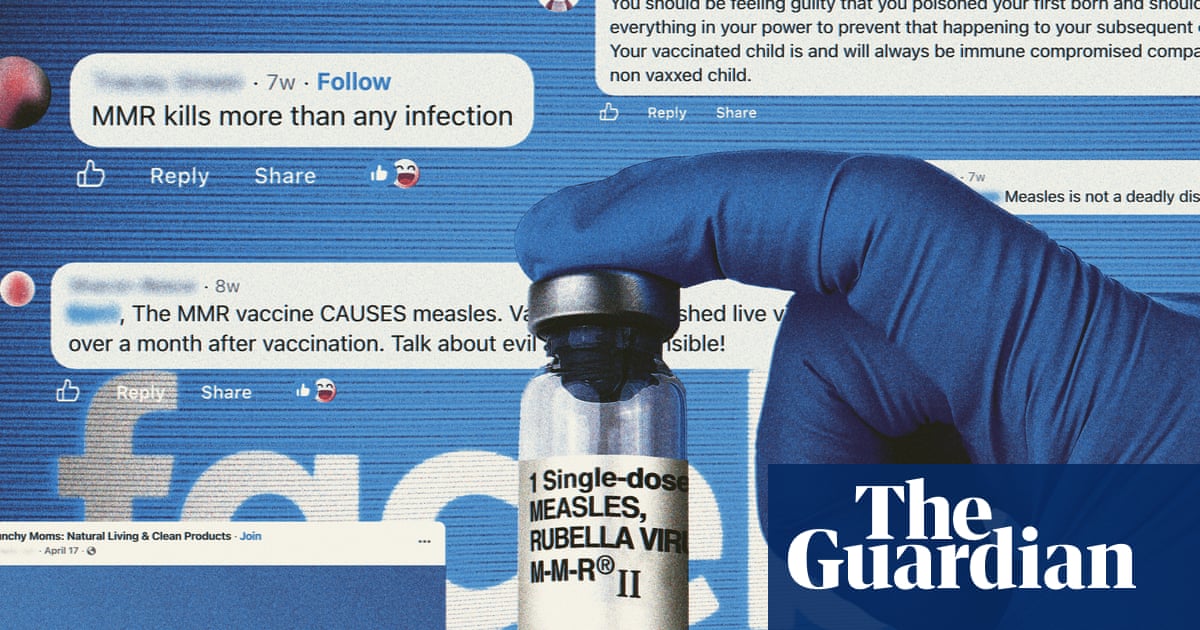
In one instance, a concerned parent sought guidance in the Crunchy Moms group regarding the MMR (measles, mumps, and rubella) vaccine for their toddler, who has a younger sibling of six months. Responses varied widely, with some members asserting that measles is harmless and that vaccines are harmful or unnecessary. Meta’s AI system synthesized 589 comments, reflecting widespread misinformation.
Contrary to these claims, public health officials confirm that measles can be fatal, with Pennsylvania reporting six measles-related deaths this year, including two infants. The MMR vaccine is deemed safe and essential for preventing the spread of the highly contagious virus.
The Role of Social Media in Spreading Health Misinformation
Experts including scientists and public health advocates have expressed alarm over the misinformation proliferating on platforms like Facebook. Many assert that settings such as Crunchy Moms contribute to a culture that distrusts scientific consensus and promotes potentially dangerous health choices.
One scientist monitoring health misinformation characterized Crunchy Moms as a particularly hazardous group. In contrast to earlier efforts during the COVID-19 pandemic to combat misinformation, recent changes in Meta’s policies have led to a relaxation in moderation practices, allowing misleading content to flourish.
The Evolution of Meta’s Misinformation Policies
Historically, Facebook took strides to limit the spread of health misinformation, especially during the COVID-19 crisis; however, a shift occurred following the 2023 elections, wherein Zuckerberg indicated the company would adopt a more permissive stance toward user-generated content. This marked a departure from previous policies aimed at combating misinformation.
Despite claims of continuous enforcement of their misinformation policies, studies indicate Meta has inadvertently facilitated the circulation of health misinformation. An investigation found that reports of harmful posts within Crunchy Moms often went unacknowledged.
Analyzing Content Within Crunchy Moms
The Crunchy Moms group primarily promotes natural parenting methods and has become a popular venue for misinformation related to vaccines. Members frequently share allegations such as vaccines causing autism or that natural immunity from diseases like measles is preferable to vaccination.
Even as administrators claim to uphold community standards, the overwhelming majority of posts challenge medically sound advice. This misinformation can be particularly detrimental for new parents navigating the complexities of childcare.
Consequences of Misinformation
The ramifications of encountering misinformation online can extend beyond individual beliefs, significantly impacting public health. Research has demonstrated a link between exposure to vaccine-skeptical content and decreased vaccination intentions, suggesting that millions of potential vaccinations have been forgone—potentially resulting in preventable illnesses and fatalities.
Expert Opinions and the Path Forward
Health professionals, including pediatricians, emphasize the importance of obtaining accurate information from credible sources. Dr. Alok Patel noted that while community support is valuable, the promotion of harmful health strategies through social media can pose real dangers.
As misinformation continues to proliferate, experts urge social media companies to prioritize public health in their content moderation policies, advocating for a balance between free speech and protecting community well-being.
Conclusion
The emergence of groups like Crunchy Moms exemplifies the risks associated with online health misinformation. Understanding and mitigating the influence of such communities is imperative to safeguard public health and ensure that accurate medical information prevails.
