


High-Level Security Discussions in Tehran Amid Growing Tensions
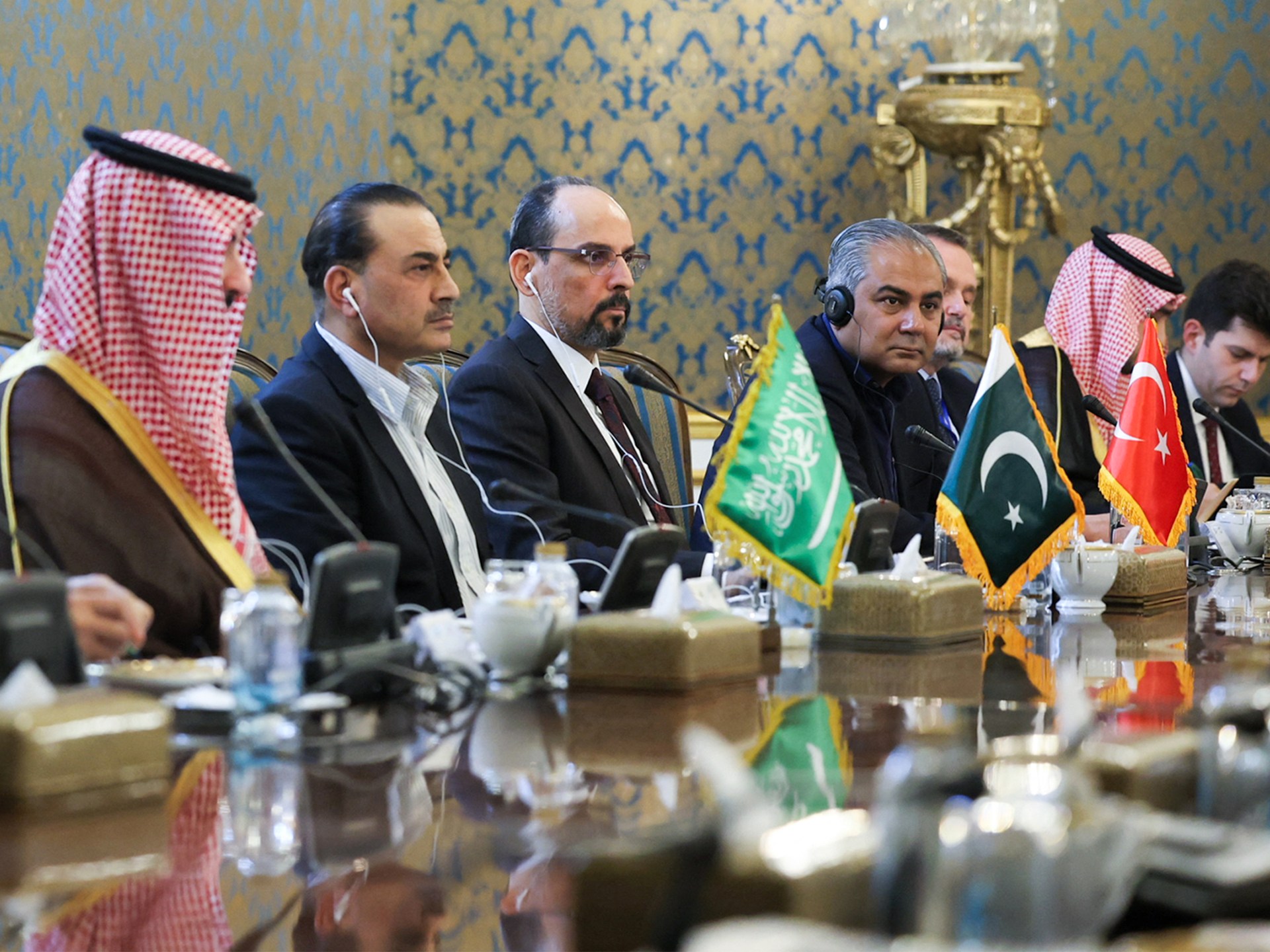
In a significant diplomatic engagement, top officials from Pakistan, Saudi Arabia, and Turkiye, all signatories of the Mecca Joint Defence Agreement, convened in Tehran to address pressing regional security challenges. Concerns are mounting over potential new U.S. military actions against Iran.
Participants in Tehran Meetings
Attendees included Saudi Defence Minister Khalid bin Salman Al Saud, Pakistan’s military chief Asim Munir, and Turkish intelligence head Ibrahim Kalin. They engaged in discussions with Iran’s President Masoud Pezeshkian and security chief Mohsen Rezaei.
The Context of the Meetings
This gathering marks one of the most high-profile dialogues in Tehran in recent months, taking place amid intensifying diplomatic maneuvers aimed at de-escalating hostilities between the United States and Iran. According to Ali Vaez from the International Crisis Group, the visit is seen as an effort to foster compromise to prevent further conflict.
Focus on Regional Security
The discussions are expected to center around the increasing attacks by Yemen’s Houthi rebels, who are aligned with Iran, against Saudi targets. Research fellow Ayesha Siddiqa remarked that while Saudi Arabia is pushing for a stronger response to the Houthis, both Turkiye and Pakistan are reluctant to commit military resources due to the complexities of engagement in Yemen.
Iran’s Regional Security Strategy
Iran’s leadership has emphasized their preference for achieving security that originates from the region itself, indicating a desire for local solutions over external interventions. Umer Karim, who specializes in Saudi foreign policy, noted that while these talks might not significantly lessen the threat of renewed conflict with the U.S., they focus on ensuring Saudi Arabia’s security, potentially urging Iran towards compromise.
Outlook on Diplomatic Efforts
Sanam Vakil from Chatham House expressed cautious optimism regarding the immediate discussions, though she warns about the challenges in achieving a sustainable resolution, particularly given the divergent objectives of involved parties. The possibility of limited agreements, especially on issues related to Yemen, exists, yet the influence of the Houthis complicates the situation.
Potential U.S. Military Actions
The context of these talks is intensified by reported plans from U.S. President Donald Trump for potential military strikes aimed at facilitating negotiations with Iran. The U.S. and allied nations are particularly focused on safeguarding international shipping routes in the Strait of Hormuz and curbing Iran’s nuclear activities.
Safety Concerns in Saudi Arabia
In light of escalating threats, the U.S. Department of State has recently ordered non-emergency government personnel and their families to leave Saudi Arabia, citing Houthi risks.
Conclusion: Implications for Regional Stability
As discussions led by the Mecca Joint Defence Agreement signatories proceed in Tehran, analysts suggest that without substantial leverage over Iran’s strategy, the potential for significant breakthroughs remains limited. The delicate dynamic indicates that while the pursuit of regional security continues, the likelihood of resolving long-standing tensions without major shifts in policy appears challenging.