


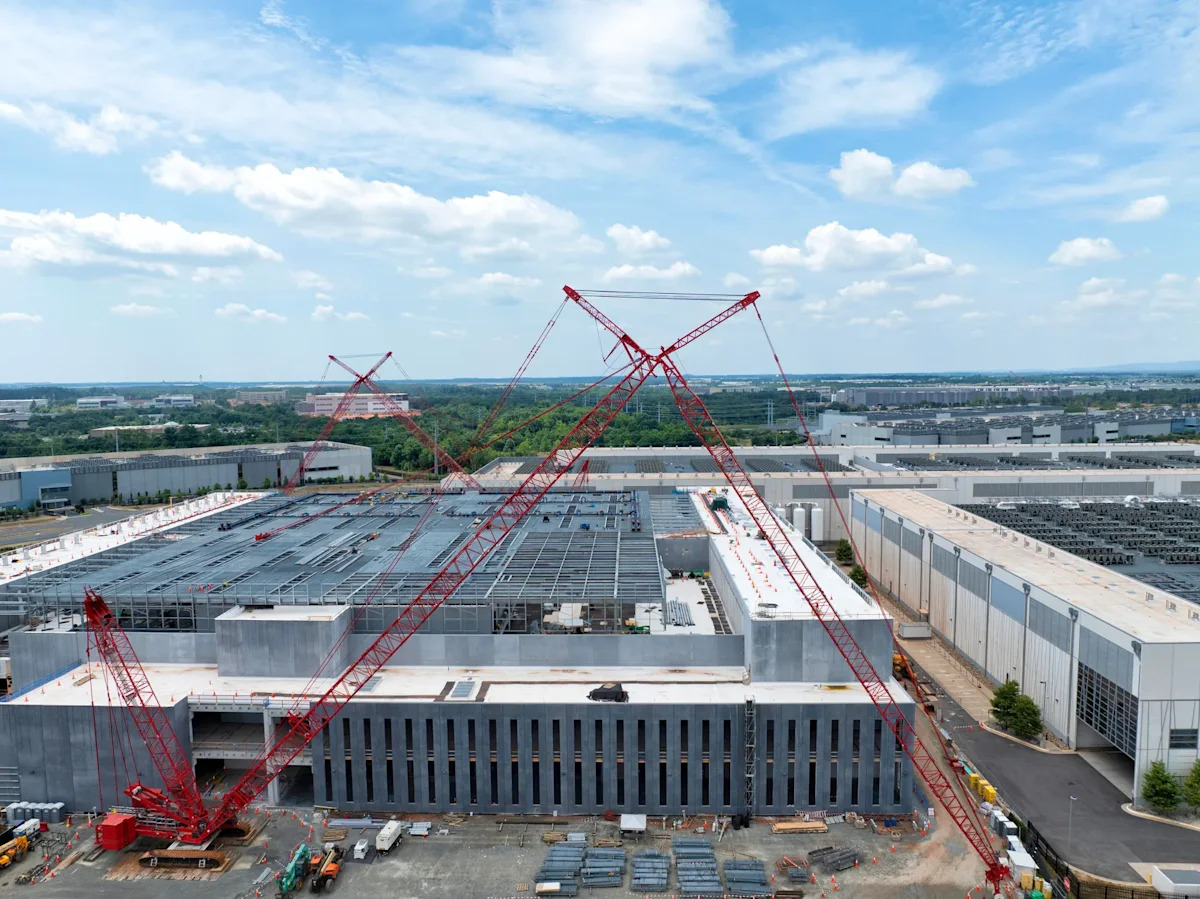
Meta Faces Challenges in Data Center Expansion Following Midterm Elections
In a recent address at the WSJ Tech conference, Dina Powell McCormick, President of Meta, shared insights on how the recent Democratic victories in the midterm elections could complicate the company’s future efforts to develop more data centers. McCormick noted that the tech industry has struggled to convey the advantages of such investments to local communities.
Backlash Against Data Centers
McCormick pointed out that the election season saw significant opposition to data centers, primarily linked to broader concerns surrounding artificial intelligence (AI). “The visible sort of manifestation of AI is a data center, and it’s something that people can say, ‘I don’t want this in my community,'” she explained. According to her, this reflects a deeper sentiment regarding public apprehensions about AI technology overall.
Demonstrating Value to Communities
Meta is optimistic about changing public perception regarding AI and its associated infrastructure. McCormick emphasized the company’s commitment to showcase the benefits of data centers to local communities, stating, “The stakes of who builds the technology that cures cancer, that gives access to education, that is also a very fundamental difference.” She underscored CEO Mark Zuckerberg’s long-term vision of ensuring technology serves all people, ensuring no one is left behind.
Meta’s Data Center Strategy
With over 20 years of experience in constructing data centers, Meta has established facilities across 23 states and has ambitious plans for more large-scale projects. Five of these upcoming centers will have capacities of 1 gigawatt or more, including a significant project in Texas. However, McCormick expressed concern that anti-data-center sentiments, fueled by political campaigns, may threaten these investments.
Tackling Future Challenges
Looking ahead, McCormick anticipates that gaining approval for data center projects will be increasingly challenging. “I think it’s going to be harder,” she stated, noting that communities expect direct benefits from such developments. To successfully negotiate data center deals, Meta has adapted its approach, emphasizing community support and local economic advantages.
- Covering electricity costs associated with data centers.
- Allocating tax surpluses from these projects to support local teachers and first responders.
- Prioritizing local labor in construction and operational roles.
- Seeking bipartisan political support for data center initiatives.
Looking Forward with AI
Meta’s future also hinges on the potential success of its AI initiatives, particularly the consumer AI agent, Muse, which aims to expand from 10 million users to serve billions globally. Even if this vision does not materialize as expected, McCormick noted that the compute resources developed will still yield value. “We’re getting calls every day to lease that compute [we’ve built],” she added, highlighting a viable path toward monetization.
