


Impact of Democratic Midterms on AI Development and Investments
The outcome of the midterm elections has resulted in the establishment of Democratic majorities in both the House and Senate, likely influencing several policies surrounding technology and investment strategies, particularly in the artificial intelligence (AI) sector.
Political Landscape and AI Oversight
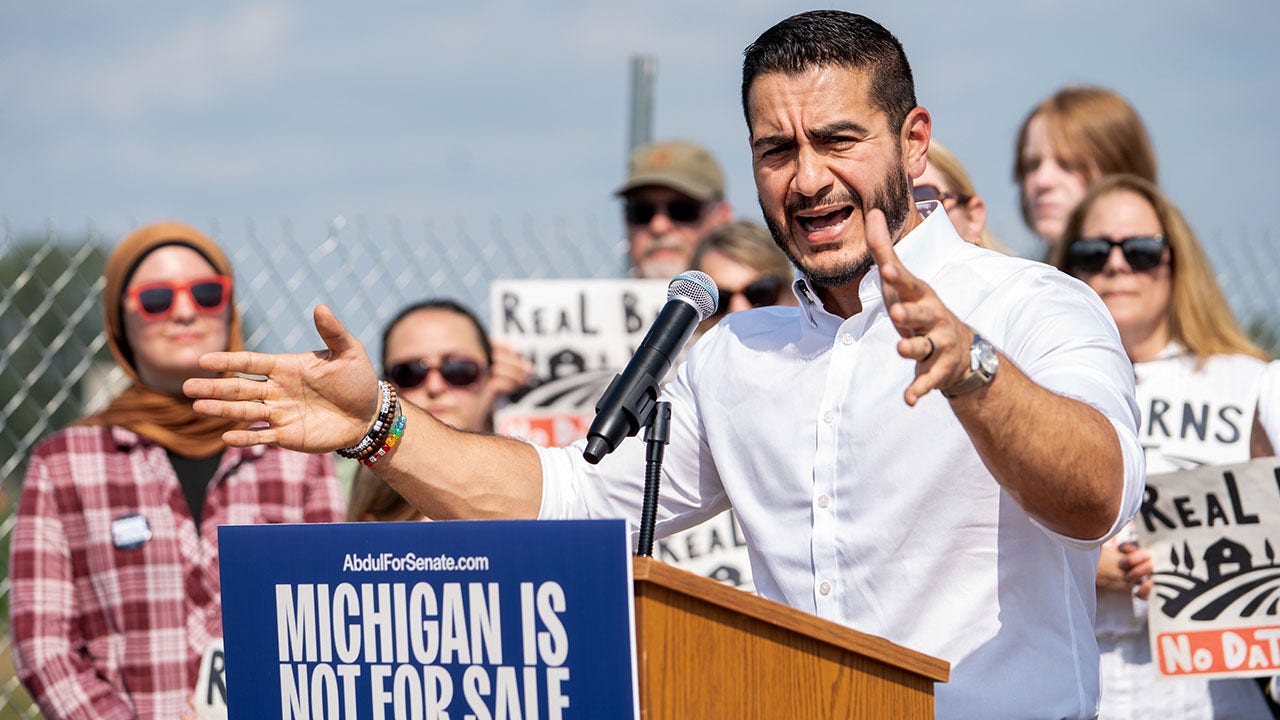
The elections brought a new wave of Democratic candidates, many of whom have expressed cautious approaches to the oversight of AI and data centers, which are crucial to the functionality of advanced technologies. The focus on AI has intensified, given concerns about its power consumption, cybersecurity implications, and potential workforce impacts.
Trump’s AI Agenda Amidst Democratic Control
Despite the Democratic gains, the Trump administration continues to prioritize the development of AI, which has been characterized in official communications as “superintelligence.” With the ability to veto new legislation passed by the Democratic Congress, President Trump holds considerable power over the trajectory of regulatory frameworks impacting AI.
Investment Strategy and AI Market Dynamics
As Democratic policymakers at both federal and state levels are poised to increase scrutiny of AI investments, business leaders anticipate that this could reshape the landscape for tech companies. Concerns over power demand from data centers and their effects on local communities have emerged as key talking points.
Investor Insights
Elliot Hentov, chief macro policy strategist at State Street, along with investment strategist Christine Norton, expressed that while increased scrutiny could present challenges for AI providers, it doesn’t necessarily signal a downturn in capital investments for AI.
“These concerns are heightened by some of the state gubernatorial results,” Hentov and Norton commented, noting that federal congressional control may not be sufficient to impede AI-related construction in the face of a presidential veto.
Heightened Oversight and Future Implications
Experts such as Dallas Dolen from PwC indicate that we may witness more rigorous investigations into AI matters such as bias, transparency, and labor implications. However, as Dolen pointed out, enhanced oversight does not equate to a halt in technological investments.
Strategies for Sustained Growth
With uncertainties stemming from evolving state policies, companies are urged to establish governance frameworks that accommodate continuous investments in AI while adhering to regulatory changes.
Potential Construction Pauses and Market Consequences
Research from UBS highlights potential delays in data center construction, particularly in states like Texas, where recent electoral dynamics may influence the development of AI infrastructure and cloud computing.
“Data center pauses will slow the pace of buildout into 2028,” the UBS strategists noted, emphasizing that approximately 30% of expected growth for 2028 could be affected.
Conclusion
The midterm elections have set the stage for a significant shift in the governance and development of AI technologies. Although challenges may arise from increased scrutiny and potential construction pauses, the essential nature of AI as a strategic priority remains unchanged across party lines. Investment in AI and its infrastructure is positioned to continue, albeit within a more regulated and potentially complex landscape.
Democratic candidates like Abdul El-Sayed, who won a U.S. Senate seat in Michigan, swept the midterms and have expressed skepticism toward data centers. (Sarah Rice/Bloomberg via Getty Images)
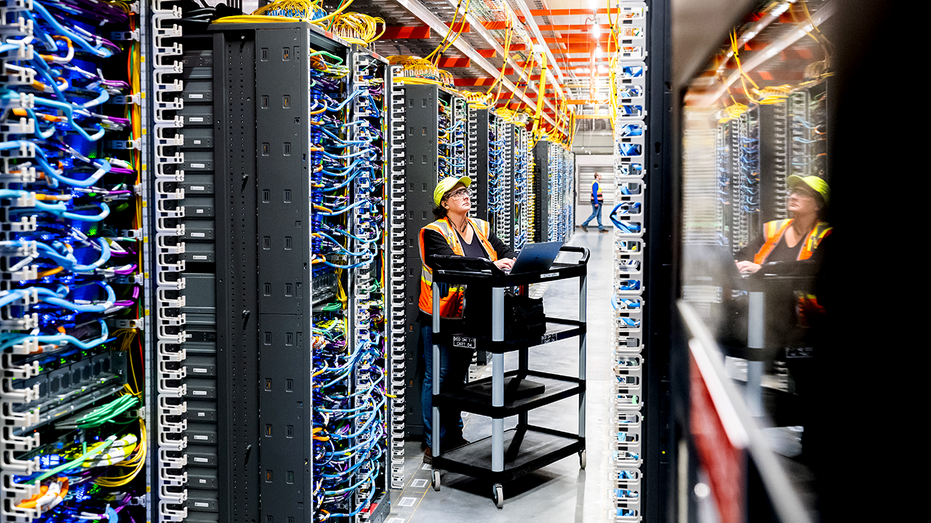
Investment in AI data centers and other infrastructure has ramped up dramatically in recent years. (Noah Berger)
