


Mid-Decade Congressional Redistricting and Its Implications
The recent congressional elections have seen significant shifts in several states as Republicans attempted a mid-decade redistricting strategy aimed at retaining control of the House. However, many of these efforts have backfired, leading to a situation where the GOP is projected to lose several key districts they strategically gerrymandered.
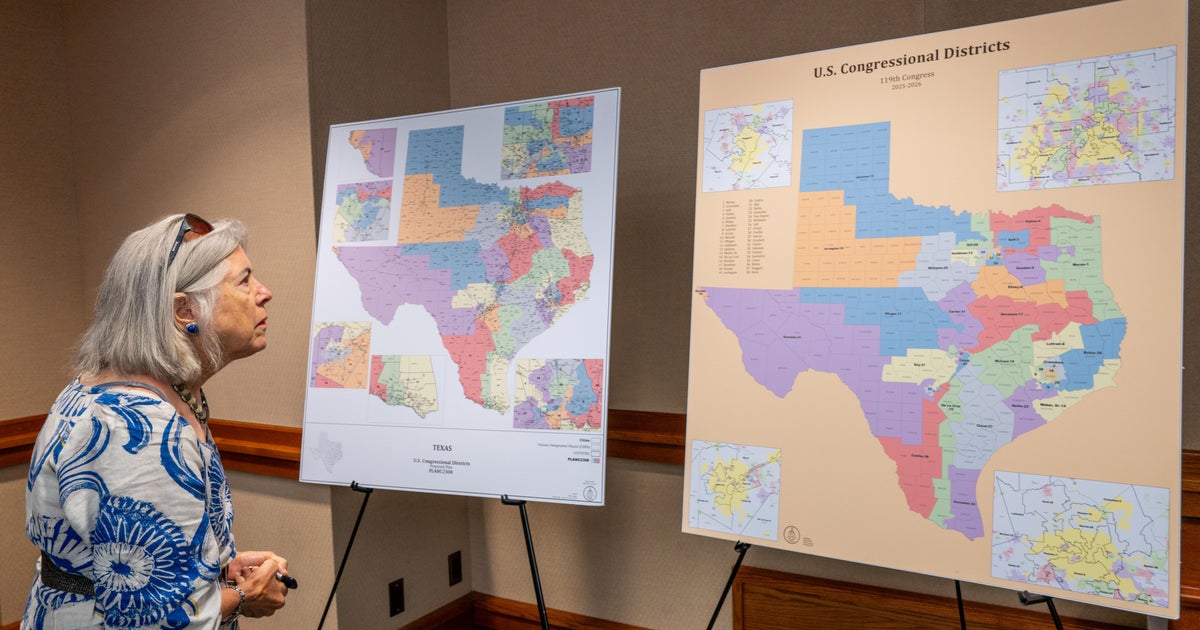
Initiatives for redistricting were reportedly ignited by President Trump’s directive to Texas lawmakers to revise their district maps with the goal of securing additional seats. Despite these tactical maneuvers, the latest outcomes from the elections indicate a substantial win for the Democrats, with estimates suggesting they may secure between 251 to 268 seats in the House.
As the dynamics shift in favor of the Democrats, Republicans may find themselves facing an ironic twist: the creation of a “dummymander.” This term describes a situation where attempts at gerrymandering inadvertently favor the opposing party.
State-by-State Analysis of Redistricting Efforts
Texas
In Texas, Republicans controlled 24 seats and aimed to win five more by capitalizing on gains made by Trump in South Texas. As the results came in, Republicans held onto 24 seats while Democrats gained 14, marking Texas as a dummymander.
Ohio
Ohio’s redistricting was managed by a GOP-controlled commission that targeted Democratic strongholds, specifically aiming at the districts of long-term Democratic Representatives Marcy Kaptur and Greg Landsman. The results showed Democrats winning at least seven districts, while Republicans netted only seven, indicating Ohio has also become a dummymander.
North Carolina
Despite having a Democratic governor, Republican legislators in North Carolina pushed a new redistricting map to eliminate Democratic Rep. Don Davis’s seat. As results came in, it appeared that four Democrats had won, with another five districts leaning Democratic, suggesting that North Carolina might end up as a dummymander as well.
Louisiana
Following a Supreme Court ruling, Louisiana lawmakers adjusted their districts amid concerns regarding compliance with the Voting Rights Act. Heading into the election, Republicans controlled four seats versus two for Democrats. Currently, Republicans have won three districts, leaving the outcome of Louisiana’s 6th District uncertain, which could still lead to a dummymander if the Democrats gain any ground.
Alabama
In Alabama, Republicans aimed to revise the districts to remove the state’s two majority-Black districts. The incumbents held their positions, and Republicans did not gain any additional seats, confirming Alabama as a dummymander.
Tennessee
Tennessee’s lawmakers sought to redraw the map targeting the only Democratic district in Memphis. Results show that Republicans won six seats, with two races going to runoff; should Democrats secure even one, Tennessee could join the list of dummymanders.
Florida
Under the leadership of Governor Ron DeSantis, Florida Republicans redrew district lines with an intention to secure additional seats. Present results indicate Republicans won 16 seats while Democrats claimed seven, with several districts still uncertain, posing the risk of Florida also becoming a dummymander.
Missouri
Missouri saw its congressional maps challenged in courts, resulting in the retention of previous boundaries. The outcome of the elections confirmed Democrats flipped a district, resulting in a 6-3 representation in favor of Republicans, though not based on the newly proposed boundaries.
Indiana
Despite pressure from Trump, Indiana’s GOP lawmakers avoided adopting a heavily skewed map, maintaining the status quo from previous cycles. Democrats retained two seats and flipped one, leading to a 6-3 representation in favor of Republicans.
South Carolina
After attempts to eliminate the powerful position of Democratic Rep. Jim Clyburn faced setback, he won re-election. With races still too close to call, South Carolina remains in contention for being a potential dummymander.
California
In contrast, California progressed with initiatives to redraw maps, aiming to enhance Democratic representation. With preliminary results showing a significant victory for Democrats, they successfully gerrymandered to secure additional seats.
Utah
Additions in Utah resulted in a judicial ruling that favored a new map favoring a Democratic candidate, demonstrating successful redistricting efforts contrary to Republican expectations.
Virginia
Voters in Virginia previously approved measures to alter district designs to benefit Democrats; however, the state supreme court reinstated an earlier map that limited GOP gains, resulting in a mixed representation.
Maryland
In Maryland, a recent ballot initiative passed that aims to ease restrictions on redistricting processes, potentially enabling Democrats to solidify an edge over their solitary Republican representative.
Overall, the efforts at mid-decade congressional redistricting have resulted in numerous unexpected turnarounds, indicating that what was intended to secure party advantages may have encouraged the very outcomes that the GOP sought to avoid. As these changes unfold, the implications for future elections and party dynamics will be critical to observe.
