


First Gubernatorial Debate in Minnesota: A Closer Look
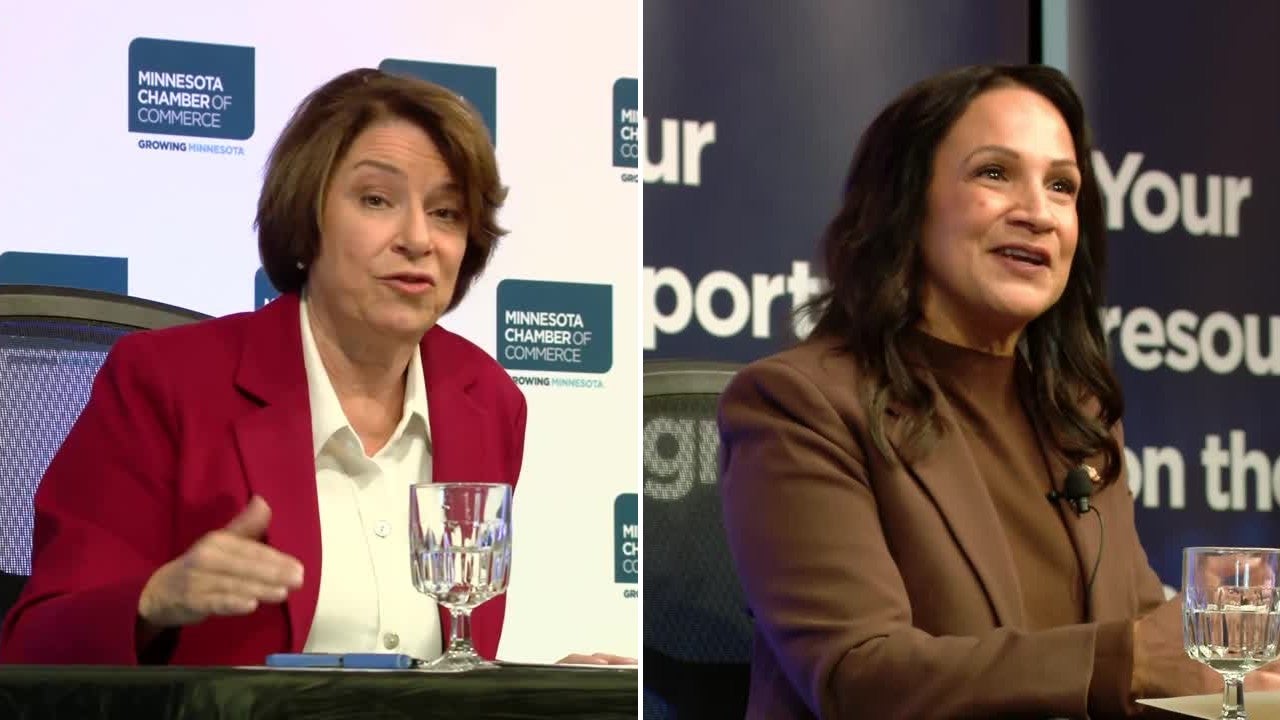
The initial debate between the leading candidates for Minnesota’s governorship took place on Monday morning, just two weeks before the election. The event featured Democratic-Farmer-Labor (DFL) candidate Amy Klobuchar and Republican candidate Lisa Demuth, moderated by Tom Hauser, Chief Political Reporter at 5 EYEWITNESS NEWS. The debate was hosted at Madden’s in Brainerd, Minnesota.
Debate Overview
Viewers can watch the complete debate through the YouTube player embedded below:
Additionally, a detailed transcript of the debate is available for those who wish to read further.
Key Issues Discussed
Vision for Minnesota’s Economy
Lisa Demuth: Demuth emphasized the need for a new approach, citing policies from the last eight years as detrimental to business. She outlined her goals, including reducing regulatory delays and burdensome taxes to revitalize Minnesota’s business environment.
Amy Klobuchar: In contrast, Klobuchar focused on economic growth as a cornerstone of her vision for the state. She acknowledged challenges such as tariffs and gasoline prices but expressed optimism about achieving growth through innovative measures, streamlined government processes, and reducing living costs.
Balancing the State Budget
Demuth: Demuth stated that tax increases are off the table and spoke about the importance of right-sizing the budget, aiming to curb what she described as rampant fraud and unnecessary spending.
Klobuchar: Klobuchar also rejected tax hikes as a solution. She described her commitment to government reform and efficiency, sharing her prior successes with tax legislation and fiscal responsibility.
Tax System Reforms
Demuth: Highlighting Minnesota’s high tax rates, Demuth called for reforms to make the tax system more competitive and growth-oriented, suggesting a fresh start is necessary to enhance economic conditions.
Klobuchar: Klobuchar indicated a desire to lower taxes and suggested a comprehensive review of the tax code to ensure it meets the needs of modern economy sectors.
The Role of Artificial Intelligence
Demuth: Demuth acknowledged the importance of AI across industries but stressed the need for regulations to protect jobs and consumers.
Klobuchar: Klobuchar emphasized responsible AI development and highlighted her leadership in crafting regulations to ensure safety and efficiency in technology growth.
Healthcare Access and Costs
Demuth: Demuth discussed healthcare accessibility and costs, pointing out that rising healthcare expenses must be addressed through broad collaboration with stakeholders while maintaining a balanced payer mix.
Klobuchar: Klobuchar criticized rising healthcare costs and proposed negotiations for lower prescription prices, stressing the need for a comprehensive approach to tackle healthcare challenges.
Property Tax Concerns
Demuth: Demuth attributed rising property taxes to various mandates and emphasized the importance of reform in order to alleviate the financial burden on residents.
Klobuchar: Klobuchar vowed to eliminate unfunded mandates and proposed collaborative models to reduce administrative costs for local governments.
Building a Skilled Workforce
Klobuchar: Klobuchar aimed to improve educational outcomes and workforce training by committing to increasing apprenticeship programs and supporting diverse educational pathways.
Demuth: Demuth highlighted initiatives at community colleges designed to connect students with local business leaders, ensuring a skilled workforce for Minnesota’s future.
Future Opportunities for Minnesota
Both candidates expressed their aspirations for Minnesota’s future, with Demuth advocating for reduced operational burdens for businesses and Klobuchar emphasizing sustainability, innovative growth, and responsible governance. Their differing perspectives and proposed solutions set the stage for a competitive election as they seek voters’ support.
Conclusion
The debate underscored the candidates’ contrasting viewpoints on critical issues facing Minnesota, including economic development, taxation, healthcare, and education. As the election nears, the discussions reflect the broader challenges and opportunities for the state.
