


NASA Launches New Astronaut Application Period for Artemis Program
Cape Canaveral, Fla. — Aspiring astronauts have a unique opportunity as NASA opens applications for a new astronaut class dedicated to the Artemis program, which aims to bolster lunar exploration.
Announcement Details
This announcement was made during an air show at the Kennedy Space Center, which highlighted advancements in aviation and technology alongside lunar exploration efforts.
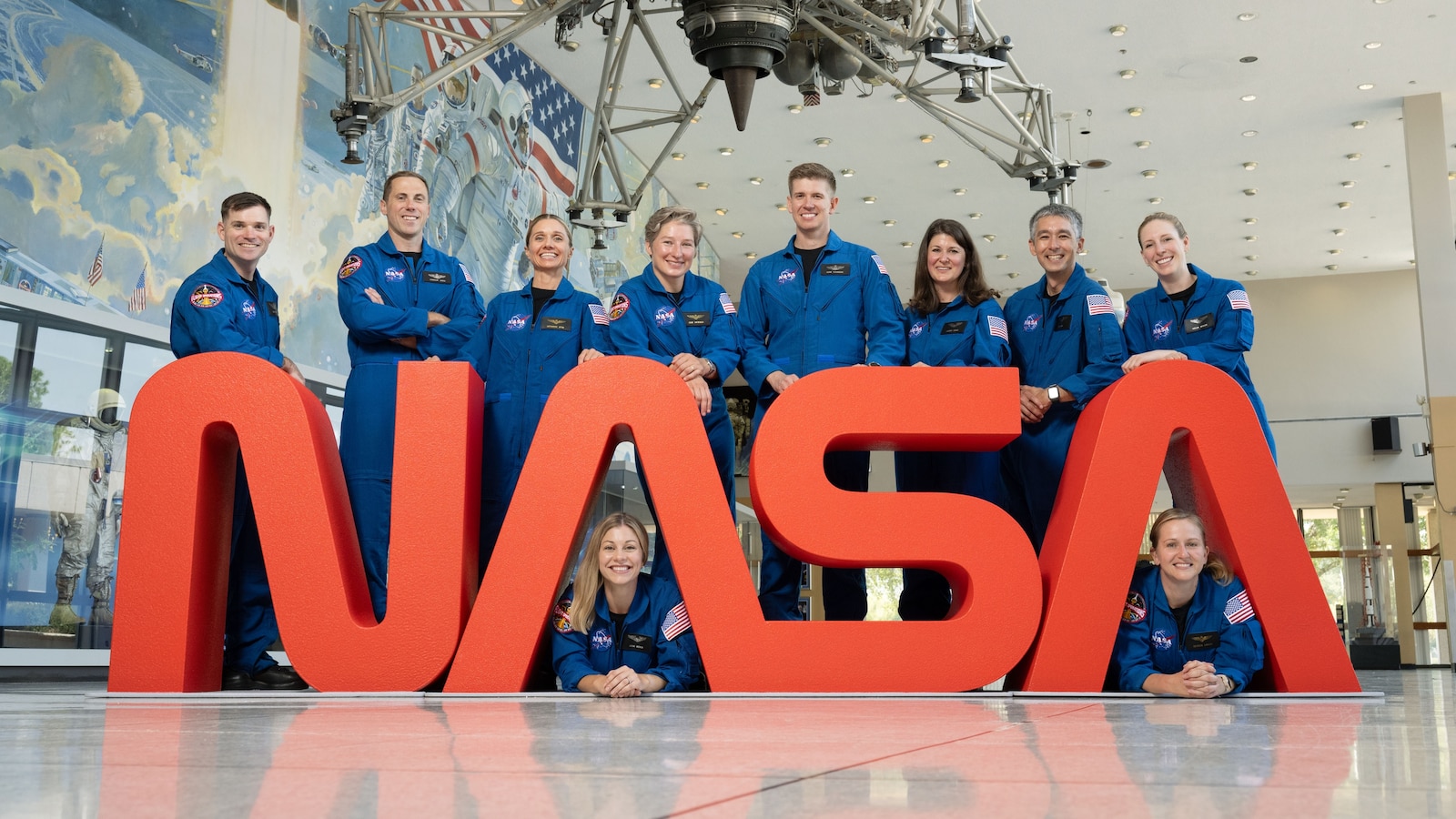
The previous astronaut selection period saw over 8,000 applications, culminating in the selection of 10 candidates in September 2025.
Need for New Astronauts
With only 32 active astronauts currently available, NASA is keen to recruit more personnel to expand human activities beyond low-Earth orbit. The Artemis II mission’s recent lunar flyaround is just the beginning of a revitalized lunar campaign.
“We have far more work than we have astronauts,” stated Artemis III commander Randy Bresnik.
Application Timeline and Selection Process
Individuals interested in joining the ranks of NASA must submit their applications by December 3. The agency plans to announce its final selections by late 2027, with training for the new astronauts commencing in early 2028—coinciding with NASA’s target to return astronauts to the lunar surface for the first time in over 50 years.
“We’re going to have people on the moon—so don’t delay,” advised Bresnik to potential candidates.
Upcoming Missions
Next summer, Bresnik and his crew will conduct a mission that focuses on practicing the docking of their capsule with two lunar landers: one designed by SpaceX and the other by Blue Origin. This preliminary mission will take place near Earth, serving as a crucial rehearsal for the subsequent Artemis IV mission, where two astronauts are expected to land close to the lunar south pole.
Building a Lunar Base
The Artemis program also plans to establish a permanent lunar base that will incorporate rovers, robots, structures, and power grids to support ongoing human presence on the moon.
Qualifications for Aspiring Astronauts
Patience and resilience are vital traits for candidates. Frank Rubio, an astronaut who holds the U.S. record for the longest continuous time in space at 371 days, emphasized the rigorous nature of the training involved:
“It’s important for them to realize most of that work is not going to the moon, right? That will be about 1% of your experience. What you’re doing is contributing to the mission of going to the moon.”
Applicants must be U.S. citizens and possess at least a bachelor’s degree along with relevant professional experience. The selected candidates will face two intense years of training, and it may take additional years before they can embark on their first space mission.
A Legacy of Space Exploration
This class marks NASA’s 25th astronaut selection since the original Mercury Seven in 1959, reinforcing the agency’s ongoing commitment to exploring and expanding human presence in space.
