


Tragic Measles-Related Death in New York Spurs Urgent Health Conversations
A child in Lewis County, New York, has died after contracting measles, marking a significant public health concern as it represents the state’s first fatality linked to the virus in 30 years. New York Governor Kathy Hochul expressed her sorrow over the loss, underscoring the emotional weight of the tragedy.
The Context of the Tragedy
This incident, which occurred approximately 93 miles north of Syracuse, is a stark reminder of the potential consequences of decreased vaccination rates. Governor Hochul articulated the gravity of the situation by linking it to federal immunization policies, stating, “This is New York’s first measles-related death in 30 years, a devastating reminder of what’s at stake when Washington deliberately erodes decades of progress in protecting Americans from preventable illnesses.”
Measles: A Highly Contagious Virus
Measles is recognized for its high contagiousness and can result in severe health complications, including pneumonia and encephalitis. Statistics show that while the mortality rate from measles is low, ranging between one to three deaths per 1,000 cases, the disease poses serious risks, especially in unvaccinated populations.
Vaccination Status in the U.S.
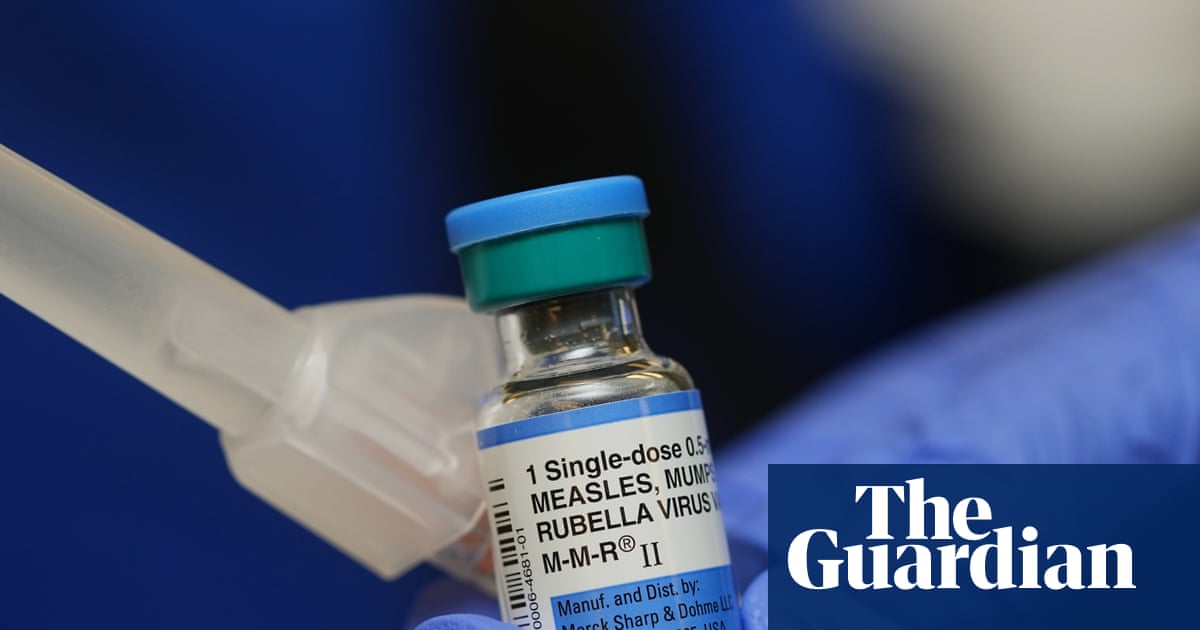
The United States had previously eliminated the domestic transmission of measles in 2000 through effective vaccination campaigns. However, recent years have seen a decline in vaccination rates, falling below the critical 95% coverage needed to prevent outbreaks.
Current Measles Outbreaks and Response
The Centers for Disease Control and Prevention (CDC) reported a troubling rise in measles cases nationwide, with over 4,588 confirmed cases documented in 2026 alone, more than double the number from the previous year. Pennsylvania has particularly been impacted, recording 1,338 cases in the same timeframe, while outbreaks have also surfaced in South Carolina and Utah.
In response to the rising case numbers, Governor Hochul declared a state of emergency in early October, emphasizing the need for robust health measures. One significant aspect of the executive order is the expansion of the pool of healthcare professionals authorized to administer vaccines, aimed at increasing vaccination accessibility. This includes involving paramedics, midwives, and allowing nurses to assist in testing protocols.
Health Officials’ Concerns
Despite the federal health authorities’ efforts, concerns are mounting regarding recent policy changes. Robert F. Kennedy Jr., the Secretary of the U.S. Department of Health and Human Services (HHS), has faced backlash due to statements on vaccinations and has initiated modifications to immunization guidelines, which may affect childhood immunization recommendations.
Conclusion
The death of this child serves as a poignant reminder of the crucial importance of vaccinations in preventing outbreaks of diseases that can have tragic consequences. As state and federal health officials continue to respond to this public health challenge, it is vital for communities to engage in proactive measures to protect the health and welfare of their populations.
