


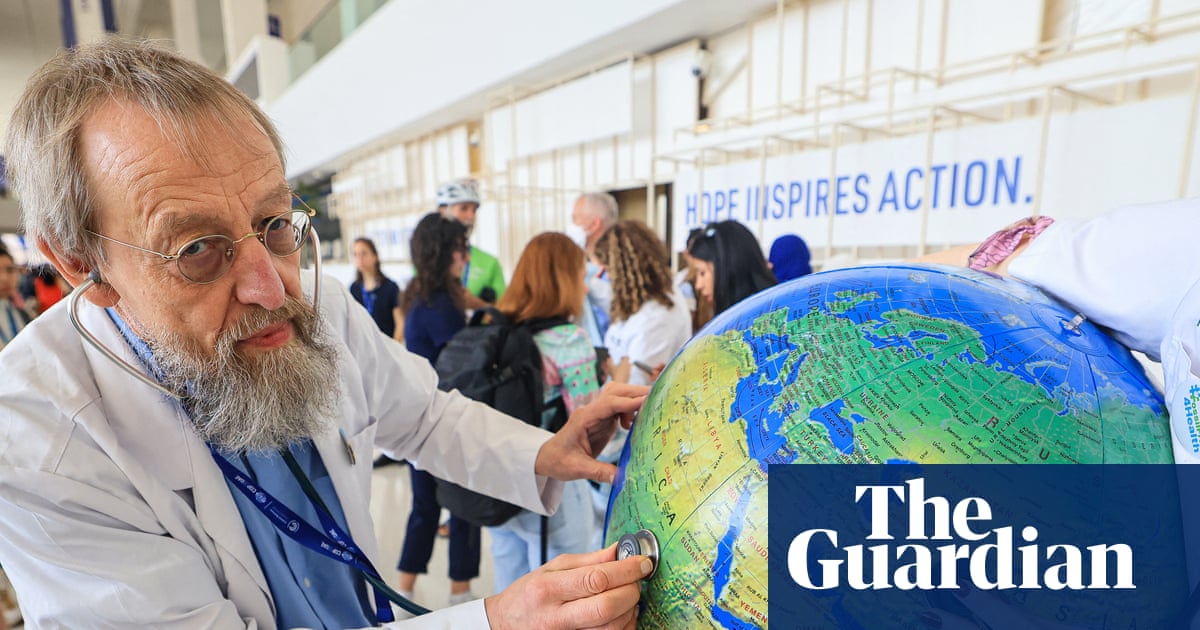
Threats to Humanity: A Global Health Perspective by 2100
A recent global risk assessment highlights alarming possibilities for human extinction by the year 2100, primarily stemming from the malicious use of artificial intelligence (AI) and nuclear conflict. This conclusion emerges from a comprehensive analysis conducted by The Lancet Commission on 21st Century Global Threats to Health.
Identifying Major Threats
The report categorizes 17 significant threats to human health and wellbeing that are anticipated to shape future challenges over the next 75 years. Among these, the use of AI for harmful purposes, the risk of nuclear war, and deteriorating health due to reductions in international aid funding have been underscored.
Interconnected Risks and Their Implications
Experts emphasize the interconnected nature of these threats, advocating for a comprehensive approach to address them collectively. “Decisions made by leaders today will shape the health and wellbeing of the next generation,” stated Prof. Christopher Murray, co-chair of the commission and director of the Institute for Health Metrics and Evaluation at the University of Washington.
Modeling Health Impacts
To compile their findings, the commission analyzed potential years of healthy life that might be lost due to diseases, disabilities, and premature deaths associated with each threat. This measure, known as disability-adjusted life years (DALYs), provided a foundation for assessing the potential impacts of various risks.
Potential for Extinction
The report warns that both nuclear conflict and the malicious applications of AI, including the creation of bioweapons, pose existential threats. These scenarios, while currently low-probability events, could drastically disrupt global ecosystems, leading to widespread famine by polluting the atmosphere and blocking sunlight. An accompanying editorial likens the possible repercussions to an apocalypse for humanity.
Additional Catastrophic Risks
The commission identified other major threats that could cumulatively result in over 1 billion DALYs, which include:
- Air pollution
- Antimicrobial resistance
- Childhood malnutrition
- Climate breakdown
- Conventional armed conflict
- Declining international aid
- High rates of alcohol consumption
- Increased blood pressure
- Income inequality
- Poor educational outcomes
- Natural pandemics
- Obesity
- Poor mental health
- Tobacco use
- Unhealthy aging
Framework for Addressing Threats
For a threat to be recognized in the report, it had to not only potentially result in significant health declines but also present feasible solutions. Ibrahim Abubakar, a commission member and professor of infectious disease epidemiology at University College London, emphasized the proactive approach needed: “If you are a policymaker today, these are the potential threats you could face, and this is the magnitude by which, if you act, you can actually make a difference.”
Consequences of Inaction
Global temperature rise is another critical factor. The report suggests that limiting the increase to approximately 1.8°C could avert losses of about 1.89 billion years of healthy life. Increased health risks vary regionally; high-income areas primarily face challenges from non-communicable diseases, while low-income regions often struggle with educational deficits impacting health.
The Need for Urgent Action
In light of substantial cuts in international aid from major donor nations like the United States and the United Kingdom, which have the potential to nullify significant health gains, the urgency of addressing these threats is heightened. The potential for up to 1.5 billion DALYs lost by 2100 in response to reduced aid is particularly concerning for sub-Saharan Africa, where the challenges of child malnutrition are especially acute.
Annual Reassessment and Conclusion
The commission, comprising 35 experts, will present its findings at the World Health Summit in Berlin, Germany, and plans to update its assessment yearly to incorporate new data and emerging threats. The authors call on global leaders to take preemptive action before these risks escalate into crises by investing in technology and reinforcing health systems. “There’s a much larger number of threats that we need to worry about,” Murray stated, pushing for dedicated government resources for anticipation, prevention, and preparation against this diverse set of challenges.
