


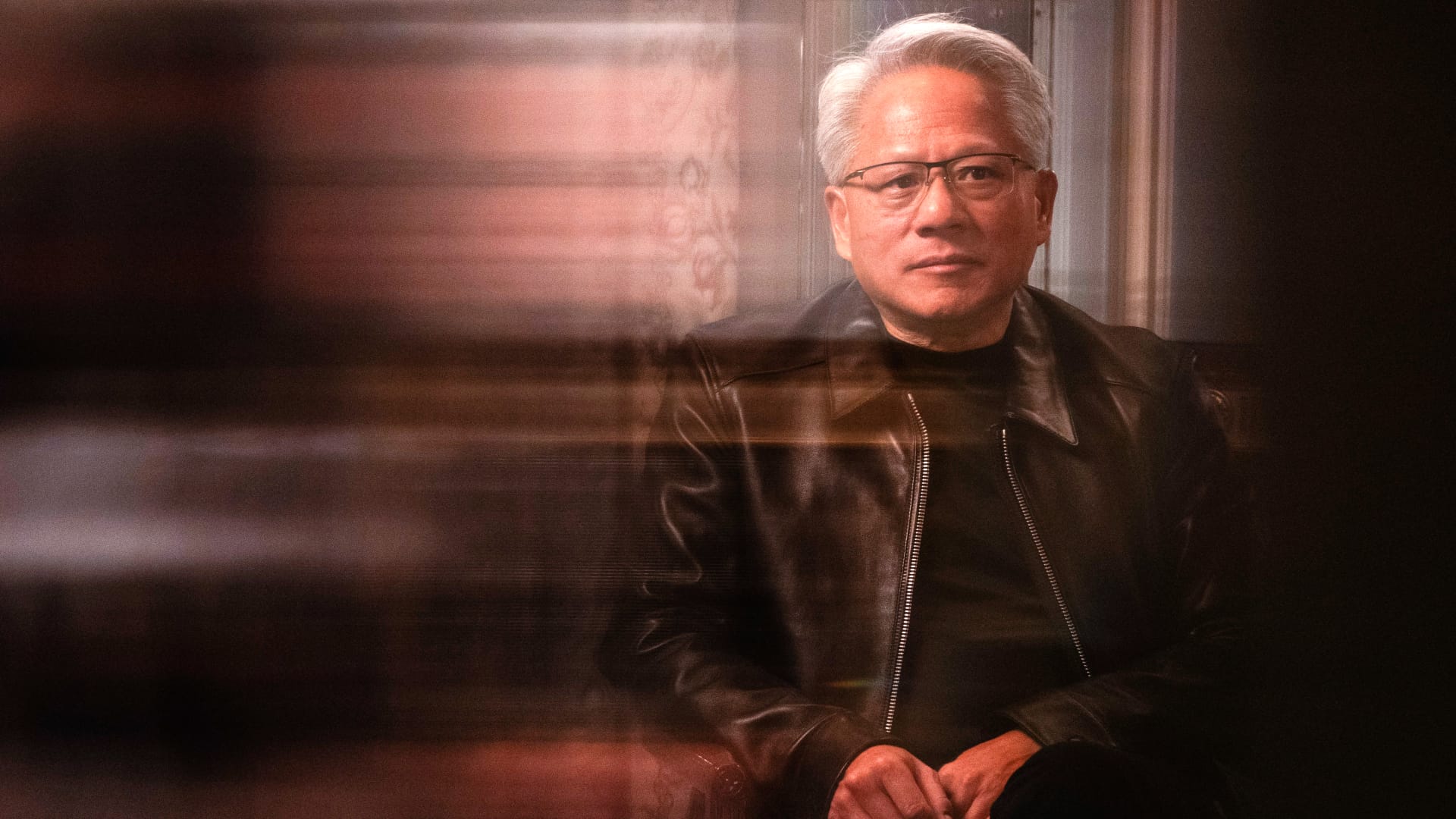
The Resignation of Nvidia’s CEO Jensen Huang: Key Developments and Implications
Context and Immediate Reactions
Nvidia’s CEO Jensen Huang has stepped down following a series of revelations that have stirred concerns about his connections with individuals linked to national security threats. Huang’s resignation, described by President Trump as “a horrible thing,” highlights the complexities surrounding corporate governance and the intertwining of politics and technology.
During an interview, Trump expressed his disappointment, stating, “What a horrible thing that is! That’s so sad to see happen,” reflecting widespread concern about the potential impacts of Huang’s exit on America’s competitive edge in artificial intelligence (AI).
Allegations and Corporate Governance Issues
The revelations surrounding Huang include claims of personal relationships with individuals deemed as potential intelligence assets. Alice Huang, a technology executive, was reportedly tied to organizations benefitting Nvidia’s major competitor, Huawei. These relationships prompted investigations into the security implications of Nvidia’s corporate practices.
Further complications arose as it was revealed Huang had engaged in multiple extramarital relationships, including one with Kimberly Powell, Nvidia’s vice president of health care. Such personal conduct has raised questions about governance and oversight within the company, especially since Huang was also a significant influencer in the political landscape, previously enjoying close ties with the Trump administration.
Impact on Nvidia and Its Workforce
Huang’s departure not only raises questions about Nvidia’s future direction but also presents challenges for its current leadership and workforce. Colette Kress, previously the Chief Financial Officer, has assumed the role of interim CEO. Analysts suggest that while Kress is well-regarded, the company may ultimately require an external candidate to provide a stable leadership vision moving forward.
Employee sentiment at Nvidia appears mixed, with many devastated by Huang’s resignation, viewing him as a cornerstone of the company’s identity and culture. Reports indicate a “more nervous energy” within the company as staff grapple with the uncertainty surrounding its leadership.
Market Reactions and Future Projections
In the wake of Huang’s resignation, Nvidia’s market performance has suffered significantly. The stock experienced a notable decline, dropping over 13% at market opening, indicating investor concern about the company’s stability and governance. Analysts have begun downgrading Nvidia’s stock, highlighting increased risks associated with leadership uncertainties.
Furthermore, major stakeholders and analysts are expressing apprehension about the broader implications for Nvidia’s role in the semiconductor and AI markets. Critics argue that Huang’s departure could signal a loss of leadership in the AI race, with some fearing the U.S. may lose its competitive edge to international rivals.
Political Implications and Further Investigations
The fallout from Huang’s resignation is likely to extend into political arenas, as Congress seeks answers regarding the relationship between Nvidia’s business practices and national security risks. Lawmakers, including Senate Minority Leader Chuck Schumer and Rep. Bill Huizenga, have voiced concerns about how the Trump administration handled the situation, demanding testimonials from key figures involved in the Nvidia investigation.
Sen. Elizabeth Warren emphasized that Huang’s resignation does not alleviate him or Nvidia’s responsibility to address potential national security breaches, calling for heightened oversight of AI technology exports.
