


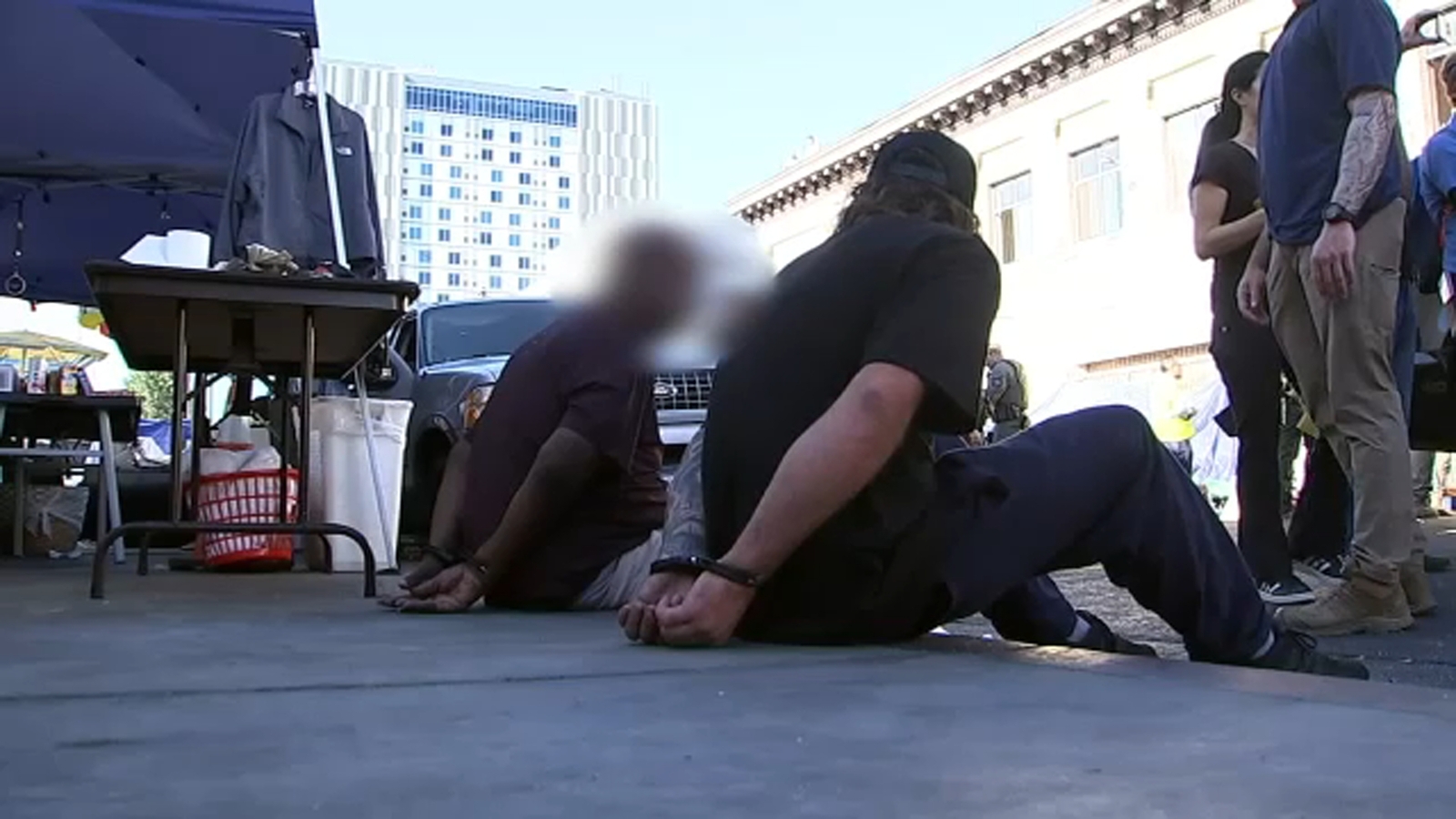
Operation Save Skid Row Targets Drug Trafficking in Los Angeles
In a focused effort to combat drug-related crimes in Downtown Los Angeles, the Los Angeles Police Department (LAPD) has partnered with federal law enforcement agencies for “Operation Save Skid Row.” This initiative aims to address the alarming drug issues prevalent in the area, particularly on Skid Row, known for its significant challenges with poverty and homelessness.
Operation Overview
On a recent Thursday, authorities announced that a total of 28 individuals would face charges linked to drug offenses as part of this operation. Local law enforcement collaborated closely with the FBI, DEA, and even the IRS, executing 44 search warrants across Los Angeles County.
Search and Arrest Details
So far, the operation has resulted in the arrest of 21 suspects connected to drug distribution activities. LAPD Chief Jim McDonnell detailed that among the executed search warrants, 15 were within Los Angeles, including notable locations on Skid Row and in nearby cities like Pasadena and West Covina.
A notable scene unfolded in Pasadena around dawn as federal agents, equipped with a drone, conducted a search at a residence. Although the primary suspect was not present during the operation, it exemplified the comprehensive approach law enforcement is employing to disrupt drug trafficking networks.
The Nature of Drug Dealing on Skid Row
The drug sweep focused on the intersection of Crocker Street and 5th Street in Skid Row, an area often associated with visible drug use and sales. Authorities report the presence of makeshift tents utilized for drug transactions, revealing the extent to which some gang members are allegedly involved. Groups such as the Main Street Crips, Grape Street/Raymond Avenue Crips, and the Pueblo Bishop Bloods are among those facing serious charges.
Seizures and Public Health Concerns
During the course of the operation, law enforcement officials recovered various narcotics, including methamphetamine, fentanyl, cocaine, PCP, and heroin, along with significant amounts of cash and firearms. Chief McDonnell commented on the situation, stating, “Many of those arrested today do not live in the city of Los Angeles. They come here from outside our city, not to contribute to the community, but to exploit it.”
The ongoing crisis on Skid Row has drawn attention to the vulnerabilities of the homeless population, as drug dealers often prey on these individuals. First Assistant U.S. Attorney Bill Essayli criticized the ongoing drug market, asserting, “We are no longer going to have open-air drug markets in the United States, let alone on Skid Row.”
A Collaborative Approach to Drug Enforcement
Authorities emphasized that their focus during Operation Save Skid Row is strictly on drug dealers, not the homeless community. Many suspects are accused of masquerading as social workers or homeless individuals to avoid detection by law enforcement.
According to the LAPD and federal officials, this crackdown is viewed as a necessary step to alleviate the burden of addiction and criminal activity on the streets. Similar in nature to an earlier sting operation at MacArthur Park, which resulted in 24 arrests, Operation Save Skid Row represents a concerted effort to reclaim public spaces from drug trafficking.
Conclusion
As this operation unfolds, law enforcement agencies continue to commit resources and intelligence to dismantle the drug networks operating in vulnerable communities. The emphasis remains clear: protecting those at risk while pursuing those profiting from their struggles.
