


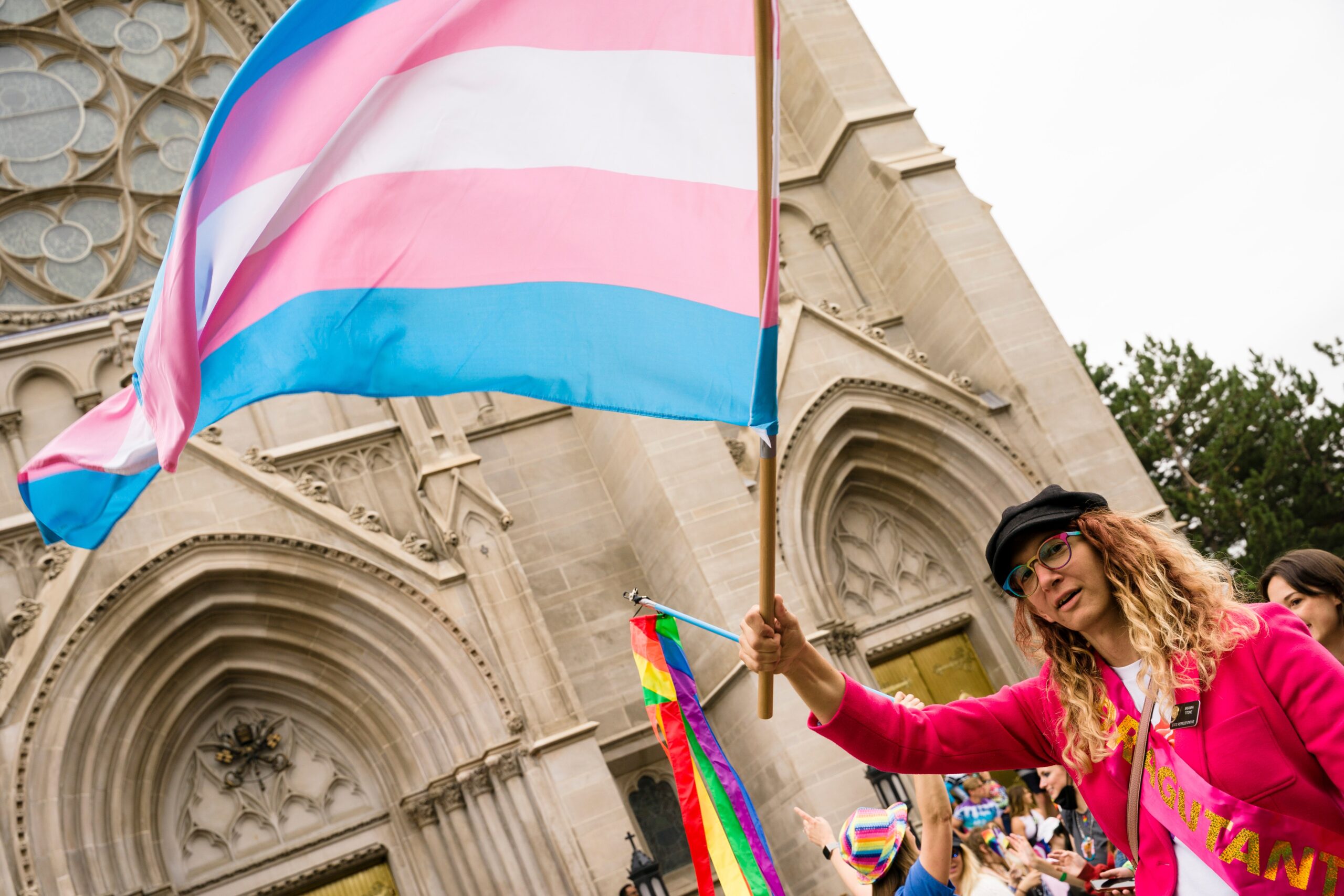
Colorado’s Legal Battle on Religious Freedom and LGBTQ Rights in Education
Colorado is once again at the forefront of a significant legal dispute regarding religious freedom, this time involving two Catholic preschools and their policies towards LGBTQ individuals and families. The case has captured national attention and is currently before the U.S. Supreme Court, setting the stage for a pivotal ruling that may define the intersection of education, discrimination, and religious beliefs.
Background of the Case
At the center of this controversy are St. Mary Catholic Parish in Littleton and St. Bernadette Catholic Parish in Lakewood. Both institutions have opted to deny enrollment to 3- and 4-year-olds whose parents identify as lesbian, gay, bisexual, transgender, or queer (LGBTQ). The decision by Archbishop James Golka of Denver has sparked mixed reactions, raising questions about the extent to which religious institutions can exercise their beliefs while receiving public funding.
Legal Framework
The legal question presented to the Supreme Court concerns whether Colorado must grant an exemption to its anti-discrimination laws, which prohibit discrimination based on sexual orientation and gender identity. The diocese argues that not providing this exemption infringes upon their First Amendment rights, which guarantee religious freedom. The specific text asserts that “Congress shall make no law respecting an establishment of religion, or prohibiting the free exercise thereof.”
The State’s Position
Colorado’s government maintains that its anti-discrimination policies do not interfere with religious practices but are instead designed to protect individuals from discrimination. The laws allowing public funding for education must ensure that tax dollars do not support discriminatory practices, especially in a public education context where inclusivity is crucial.
Potential Implications
The decision by the Supreme Court could have far-reaching consequences. If the Court rules in favor of the preschools, it may set a precedent allowing many other religious schools relying on public funding to enact similar discriminatory policies against LGBTQ individuals. This situation raises important considerations for various educational institutions, including charter and federally funded preschool programs.
Public Benefit and Religious Freedom
Colorado’s preschool system provides funding for 15 hours of instruction for 4-year-olds, with requirements for transparency in their admission processes. The state’s commitment to ensuring that funding is not spent in a manner that discriminates against citizens based on personal characteristics remains vital. Thus, the key issue revolves around whether the state must accommodate religious beliefs that lead to exclusionary practices when providing public benefits.
The Broader Context
While religious organizations should have the right to govern their practices, the critical balance lies in ensuring that these practices do not result in discrimination when public funding is involved. The ongoing debate underscores the importance of safeguarding vulnerable groups within the educational framework and compelling the government to act as a protector against discrimination.
Conclusion
The impending Supreme Court decision will not only influence the two Catholic preschools involved but could establish new standards for all non-public schools that accept state funding. The case challenges society to reflect on both the rights of religious institutions and the need for inclusivity in education, ensuring that all children, irrespective of their backgrounds, have equal access to learning opportunities.