


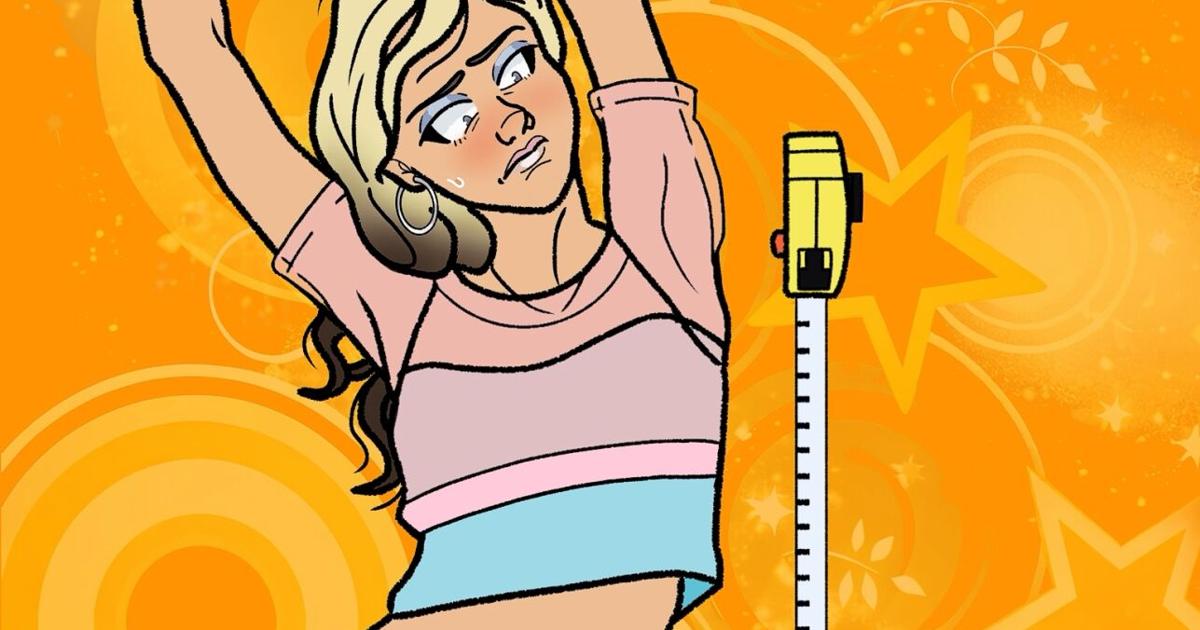
The Evolving Landscape of Beauty Standards in the Digital Age
The standards of beauty have continually transformed throughout history, often pressuring women to alter their appearances to align with contemporary ideals. In the digital realm, particularly among Generation Z, these standards predominantly arise from social media platforms and influencers, creating a pervasive culture that promotes specific notions of beauty.
The Impact of Social Media on Beauty Perception
Women frequently grapple with stringent expectations concerning their looks, a challenge that begins early in life. Social media provides unfiltered access to celebrities who share their beauty routines, which can mislead many into believing that achieving such aesthetics is attainable solely through physical changes or particular products.
Weight Stigma and Its Consequences
The current beauty paradigm has also revived issues surrounding weight stigma, as evidenced by a 2022 study from the University of Vermont. This study revealed that TikTok content focusing on weight loss was more widely shared than health content advocating weight inclusivity. This trend signifies a troubling regression from the body positivity movement that gained momentum in the late 2010s and early 2020s.
Content tagged with terms like #SkinnyTok exemplifies this trend, promoting extreme dieting and misleading health information reminiscent of pro-anorexia narratives from earlier decades. Such messaging undervalues healthy body representation and can contribute to unhealthy behaviors, including obsessive body scrutiny and extreme dieting.
Generational Perspectives on Beauty Standards
Emily Mendez, a first-year photography major, noted the early influence of these standards on younger generations, stating, “I feel like for sure a lot of stuff that is going on is affecting the younger (generations) because they’re already starting their skincare, doing makeup at a very young age.”
Generation Z, born between 1997 and 2012, represents a cohort that has grown up in a digital landscape where social media shapes perceptions of beauty. This connection with influencers often heightens aspirations toward the beauty trends endorsed by those seen as elite.
The Role of Celebrity Culture
A recent study conducted by the University of Boston in 2024 underscored the correlation between social media engagement and the desire for cosmetic surgery, particularly among individuals who follow influencers and celebrities. This finding suggests that the glamorization of certain beauty ideals directly impacts individuals’ self-image and decisions regarding their appearance.
Dreena Ogawa, a first-year theater major, commented on the societal norms regarding body commentary. “If you gain any type of weight in some way, whether it just be through growing or you’re just going through a time in life, or even if you lose a good amount of weight, it’s either ‘Yeah, you’ve gained a lot of weight since you’ve done this, you’ve lost a lot of weight,’” she explained, emphasizing the constant scrutiny women face regarding their bodies.
Promoting a Healthier Body Image
To counteract the detrimental effects of traditional beauty norms, a shift towards positive representation in media is essential. The aforementioned University of Vermont study found that content advocating a weight-inclusive perspective, particularly from trusted health professionals like dietitians, fosters healthier body image perceptions. Additionally, showcasing women without makeup or digital alterations can decrease dissatisfaction with one’s appearance.
Encouraging mindful social media usage and enhancing media literacy are crucial steps in promoting a positive body image. This can be achieved by:
- Blocking or unfollowing creators who perpetuate unhealthy beauty standards
- Cultivating a positive feed that fosters body acceptance
- Developing skills to discern between digitally altered images and authentic representations
Toward a Future of Acceptance
Ultimately, challenging prevailing beauty standards begins on an individual level, specifically within one’s social media interactions. By advocating for acceptance and embracing personal beauty, it is possible to envision a society where women can appreciate their bodies without undue pressure to conform to unrealistic ideals.