


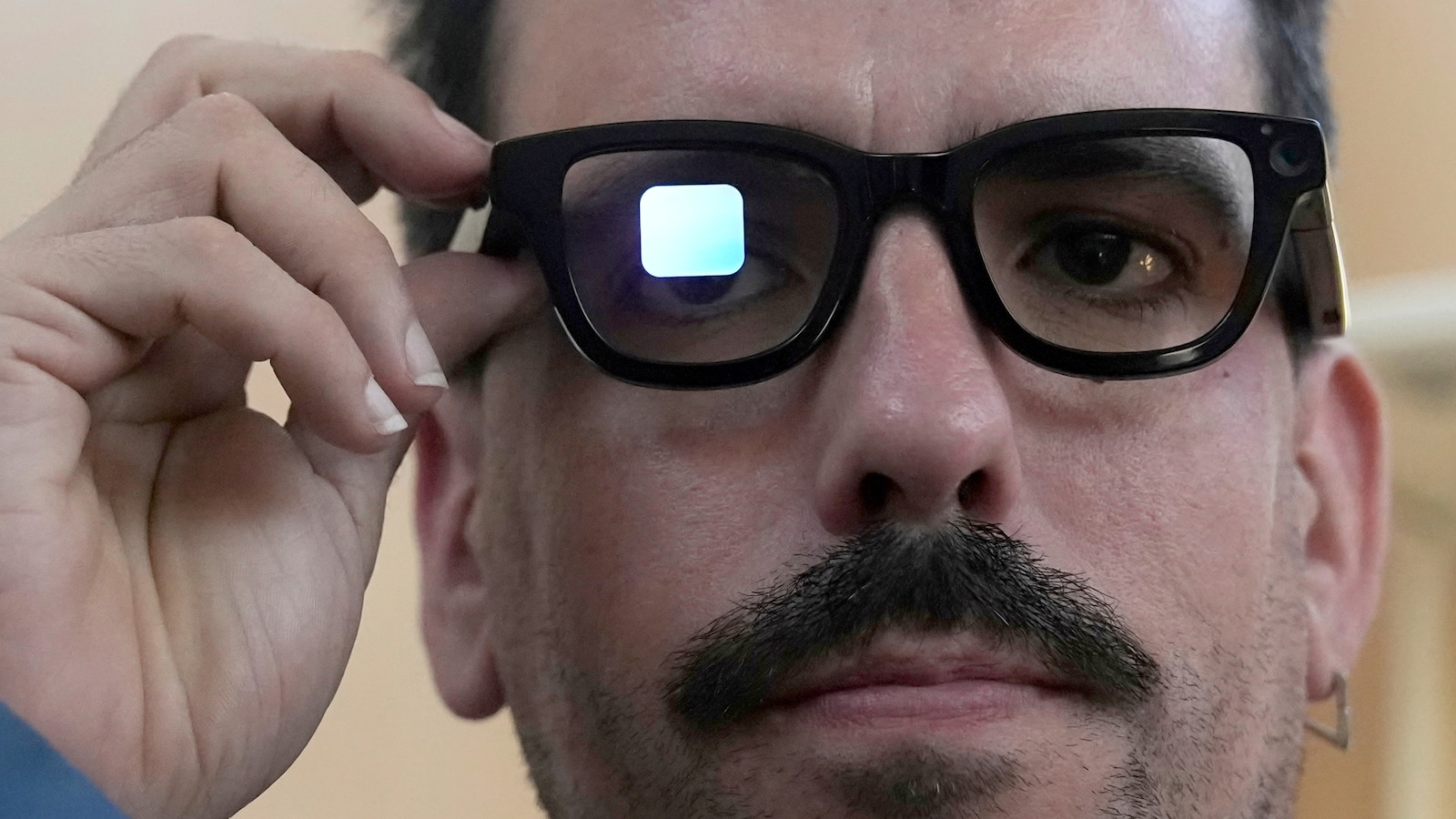
Norway Moves to Temporarily Ban AI Glasses in Public Spaces
The emergence of AI glasses, capable of capturing images, recording audio, and streaming content discreetly, raises significant privacy concerns in public environments. Recognizing the potential implications of these technologies, Norway’s government is advocating for a temporary ban on their use in specific locations.
Addressing Privacy Concerns
As public spaces such as parks, gyms, and beaches become integral parts of daily life, the implications of AI glasses are under scrutiny. The Norwegian government proposes this temporary measure to mitigate risks associated with unauthorized recording and surveillance, particularly in areas where privacy is paramount.
Recent Developments in Legislation
Efforts to manage the challenges posed by AI glasses are not unique to Norway. For example, California recently faced its own legislative hurdles concerning the use of such devices. The state’s governor vetoed a bill aimed at prohibiting the recording of individuals without consent in sensitive locales, such as changing rooms and medical facilities.
Proposed Scope of the Ban
The Norwegian proposal intends to limit AI glasses in places deemed critical for privacy, including:
- Healthcare facilities
- Fitness centers with private changing areas
- Schools, kindergartens, and playgrounds
- Public events like concerts and sporting matches
- Museums and shopping centers
This approach aims to establish clear guidelines concerning where the use of AI glasses may be deemed invasive or inappropriate.
Drawing the Line on Technology Use
Torgeir Micaelsen, Norway’s Minister of Digitalization and Public Governance, emphasizes the importance of understanding the implications of new technologies in safeguarding individual privacy rights. The government aims to engage in “informed debate” concerning the regulation of AI glasses, which could pave the way for more robust and permanent policies.
Temporary Measures with Considerations for Exceptions
It is important to note that the proposed ban is not meant to entirely prohibit AI glasses or similar wearable technology. Instead, it allows for continued personal use in appropriate settings. Additionally, the government is contemplating exceptions for vulnerable groups, aiming to support “socially beneficial uses” of AI glasses when justified.
As authorities prepare to present the proposal to the Storting, Norway’s parliament, the focus remains on ensuring that technology enhances society without compromising fundamental rights to privacy.
For continuous updates on this developing story, visit the Norwegian government’s digitalization page.
