


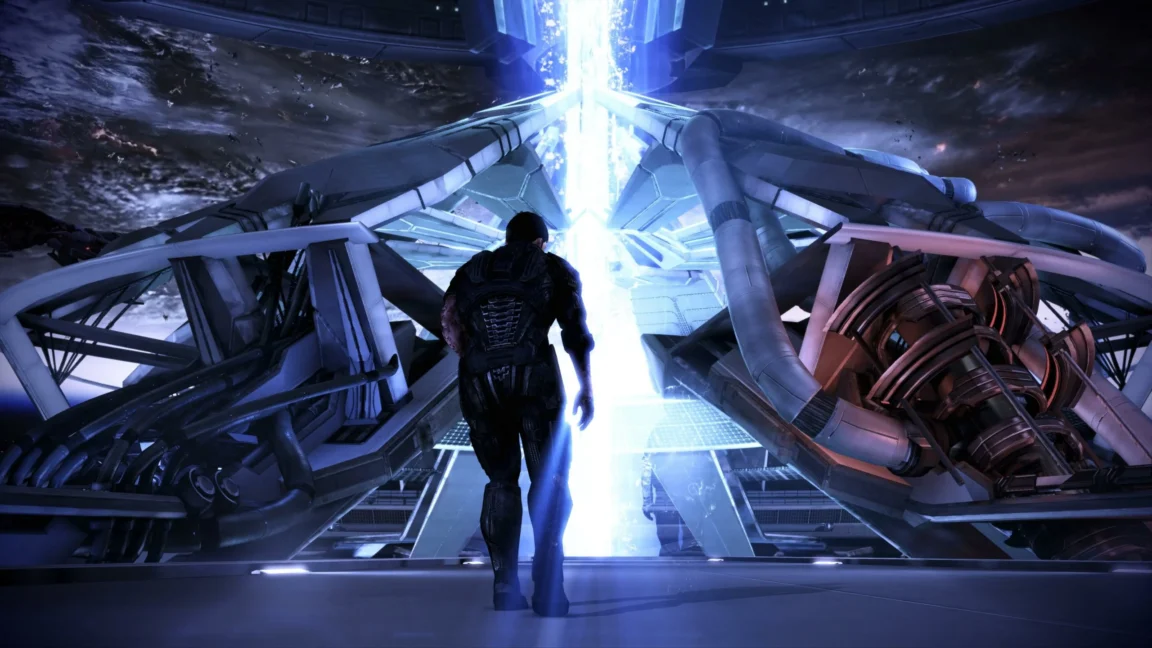
BioWare Closes Its Doors: A Look Back at the Legendary Studio
In a significant development on Wednesday, BioWare, the renowned game studio celebrated for franchises such as Mass Effect, Dragon Age, Neverwinter Nights, and Star Wars: Knights of the Old Republic, announced its closure. The studio revealed that it would cease early development on the next Mass Effect installment.
Context of the Announcement
This announcement came shortly after a Bloomberg report indicated that Electronic Arts (EA), BioWare’s parent company, would be undergoing substantial layoffs—reportedly affecting 400 employees company-wide, with 50 of those at BioWare.
EA’s executives communicated to staff that the organization is strategically realigning talent and investments to focus on areas with the most promise for players and sustainable growth.
BioWare’s Legacy and Transition
Founded in 1995 in Edmonton, Alberta, BioWare gained prominence for its unique storytelling and immersive game design. The studio joined EA in 2007, positioning itself within a larger corporate structure before fully realizing the potential of franchise juggernauts like Mass Effect and Dragon Age.
At the time of the acquisition, then-EA CEO John Riccitiello emphasized BioWare’s esteemed reputation, stating it would significantly bolster EA’s growth strategies in quality gaming, online services, and new intellectual properties.
Recent Corporate Changes and Future Outlook
In the wake of these recent changes, EA transitioned to a private entity following a $55 billion acquisition led by Silver Lake, the Saudi Public Investment Fund, and Jared Kushner’s Affinity Partners. Analysts predicted this shift would lead to potential layoffs, studio closures, and the divestment of intellectual properties as the company adjusts its focus towards live services, annual sports franchises, and microtransactions.
Looking Ahead
The closure of BioWare marks a pivotal moment in the gaming industry, leaving fans and industry observers reflecting on the studio’s substantial impact over the past three decades. As EA makes decisions aimed at profitability, the fate of cherished franchises and the future of gaming innovation remain uncertain.
