


iPhone Duo Hinge Durability Testing: Insights & Comparisons
Test Methodology
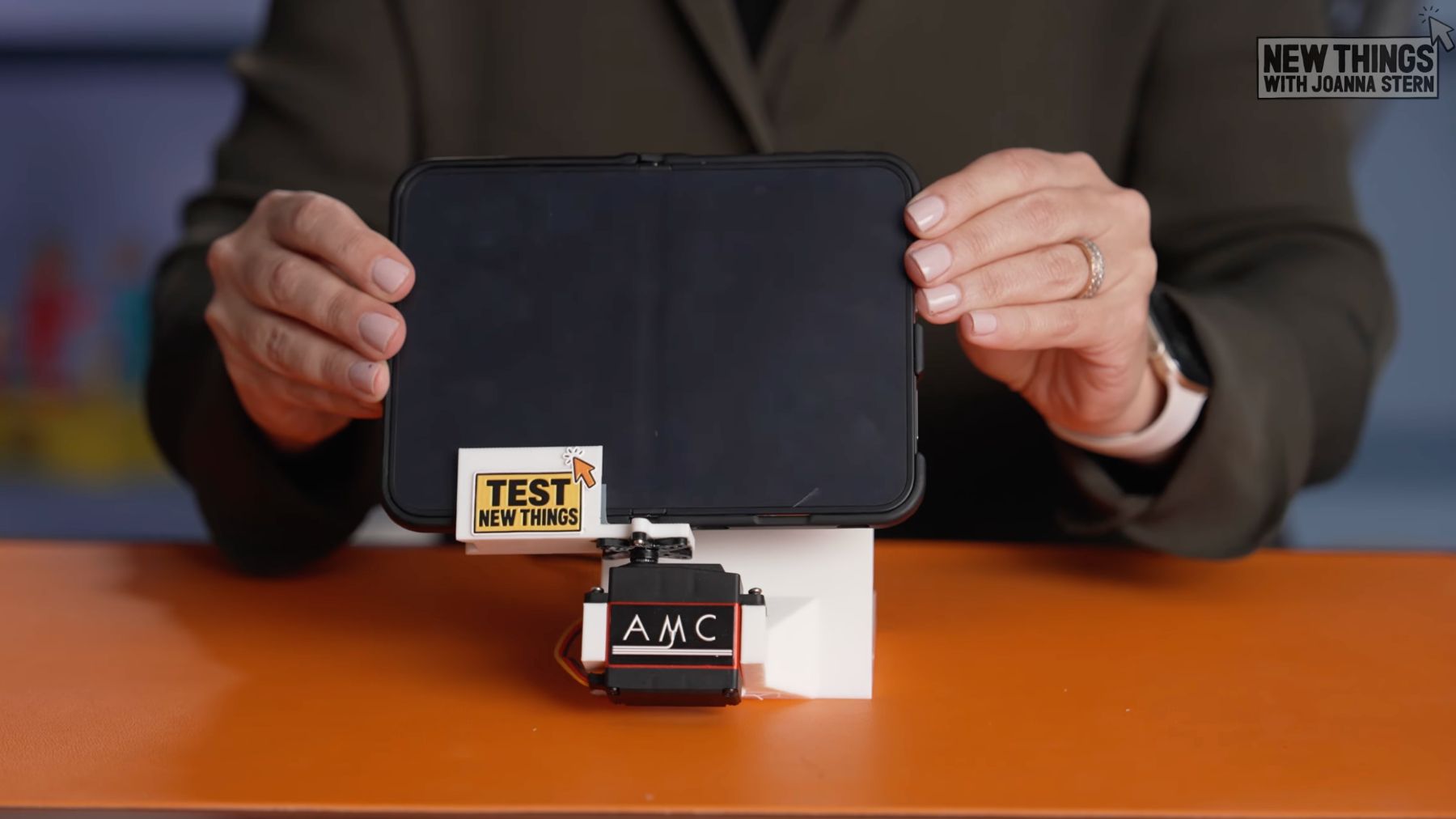
In a recent test, tech reviewer Joanna Stern subjected the iPhone Duo to an impressive 32,000 fold cycles over four nights. Utilizing a custom-built machine, the evaluation aimed to assess the hinge’s durability, a crucial aspect for foldable devices.
While Apple has not disclosed official fold counts or durability metrics for the iPhone Duo, Stern’s findings provide some insight into its performance.
Findings from the Test
Stern reported that throughout the folding process, she did not perceive significant changes in the hinge’s feel. Despite her initial impressions of increased looseness, post-test measurements indicated that the hinge was, in fact, stiffer than at the start of the evaluation.
“But in everyday use, I really couldn’t feel a difference. So, after 32,000 folds, it felt pretty much the same as day one, which is pretty darn impressive.”
Potential Impact on Display and Usability
While the folding mechanism performed admirably, Stern did not specifically address whether the crease—common in foldable devices—became more noticeable over time. It is noteworthy that the test was conducted with a casing on the device, and the folding apparatus did not always close the Duo completely with each cycle.
Industry Comparisons
For context, competing brand Samsung has established a comprehensive testing protocol for its foldable screens. The Samsung Galaxy Z Fold7, for instance, underwent a rigorous 500,000-fold durability test. According to Samsung Display, this level of testing correlates to approximately ten years of use for average consumers, assuming typical folding frequency.
Conclusion and Future Testing
Stern’s findings serve as a provisional benchmark for the iPhone Duo, especially in the absence of formal data from Apple regarding its hinge and display durability. Given the increasing interest surrounding foldable devices, it is anticipated that further durability tests will emerge in the following weeks.
For extensive details on the testing apparatus and methodology, viewers can refer to Stern’s YouTube video and accompanying review documentation.
