


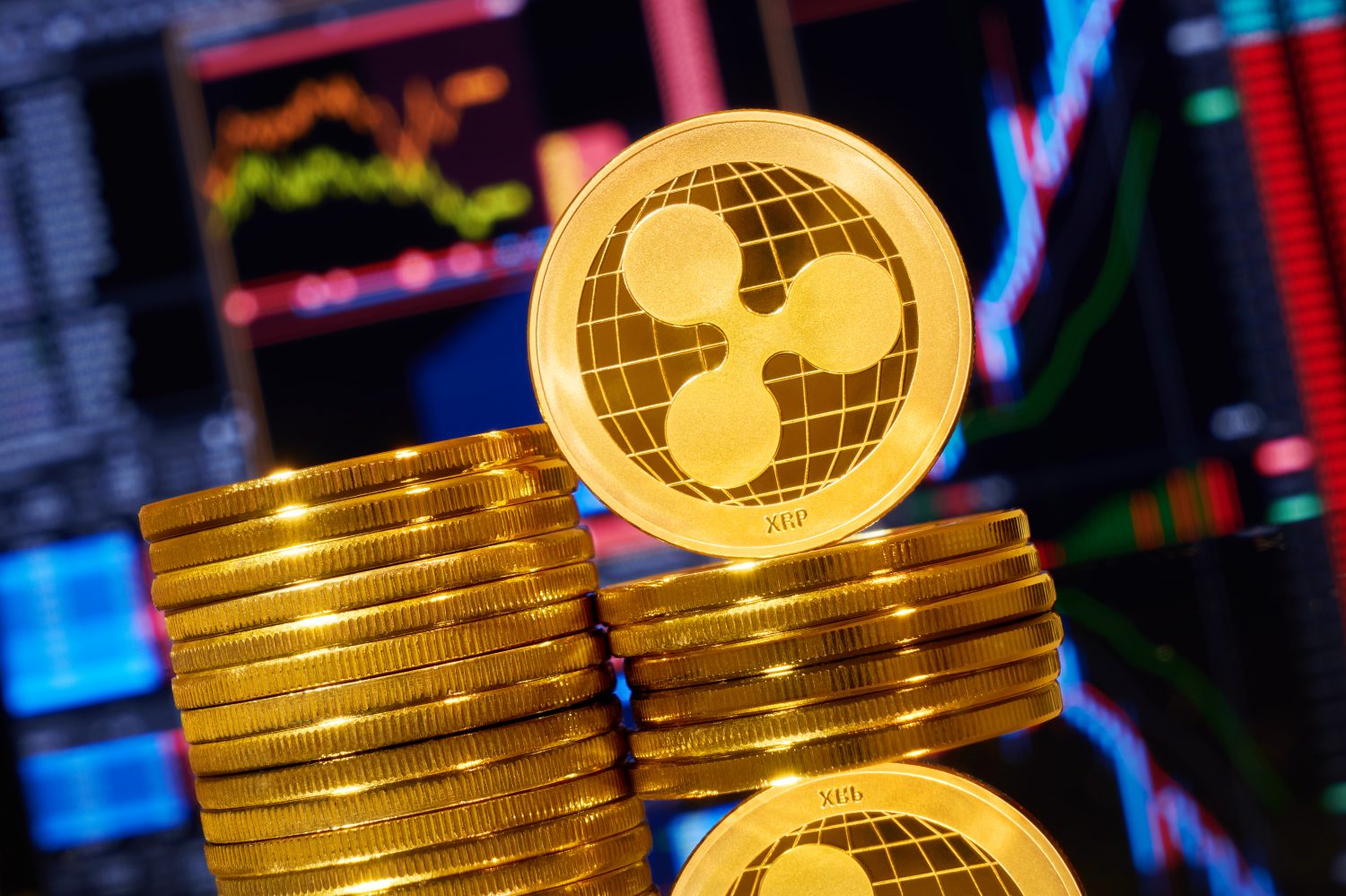
Ripple’s Institutional Partnerships and Their Impact on XRP
Ripple and its cryptocurrency, XRP (CRYPTO:XRP), recently announced three substantial partnerships, raising questions among investors regarding the practical use of XRP within these collaborations. While Ripple has secured agreements with notable institutions, not all initiatives necessitate the use of XRP directly, which could surprise some observers.
Overview of Institutional Partnerships
Among the recent institutional deals, key players include:
- Meritz Securities: A significant South Korean brokerage looking into tokenization and Ripple Custody services.
- Paxos: An established leader in the crypto trading and custody markets who has integrated XRP into their offerings.
- Canton Network: Announced support for Ripple Custody within its blockchain infrastructure.
XRP Market Performance
As of October 8, XRP was trading at $1.36, reflecting a downturn of approximately:
- 4% in the past 24 hours
- 9% over the previous week
- 63% since its peak of $3.65 in July 2025
Despite Ripple’s growing number of partnerships, distinguishing between favorable developments for Ripple and actual demand for XRP becomes crucial.
Analysis of Ripple’s Partnerships
Meritz Securities and Canton Network
Both the agreements with Meritz and Canton focus on enhancing Ripple’s custody services:
- The Meritz partnership aims to explore tokenization—representing financial assets as tokens on a blockchain—which simplifies asset transfer and settlement.
- Similarly, Ripple is looking to extend its custody services through the Canton Network, which introduces support for its blockchain and associated assets.
Notably, neither of these partnerships explicitly requires the use of XRP. Meritz has not disclosed launch timelines or financial commitments, and previous initiatives in South Korea, like a tokenized bond settlement project, also did not rely on XRP.
Paxos Partnership and XRP Utilization
The arrangement with Paxos stands out as it directly integrates XRP, allowing clients to buy, hold, and transfer the cryptocurrency efficiently without needing to develop independent infrastructures. However, the exact demand for XRP remains uncertain:
- Paxos has not shared specific metrics relating to client usage or trading volumes.
- The statistic of over 8.1 million XRP addresses is notable, but individual control of multiple addresses by users and the concentration of XRP holdings in exchanges may distort perceptions of actual adoption.
Current Market Implications for XRP
Despite Ripple’s ongoing expansion and significant institutional partnerships, the price of XRP has not experienced a corresponding increase. The success of Ripple’s services does not necessarily translate into higher demand for XRP itself:
- Institutions can utilize Ripple’s offerings without needing to engage with XRP, as evidenced by recent trends in the cryptocurrency market.
- XRP’s value has declined around 9% over the past week, underscoring a disconnect between business growth and currency valuation.
Conclusion: Identifying XRP’s Role in Ripple’s Partnerships
From the three recent collaborations, only the Paxos agreement necessitates the application of XRP. The partnerships with Meritz and Canton bolster Ripple’s traditional custody services but do not inherently require any transaction involving XRP. For XRP to see a resurgence in demand, it will be crucial for Paxos or Meritz to establish XRP as a core asset within their offerings or settlement processes.
For inquiries or corrections regarding this article, please contact [email protected].
