


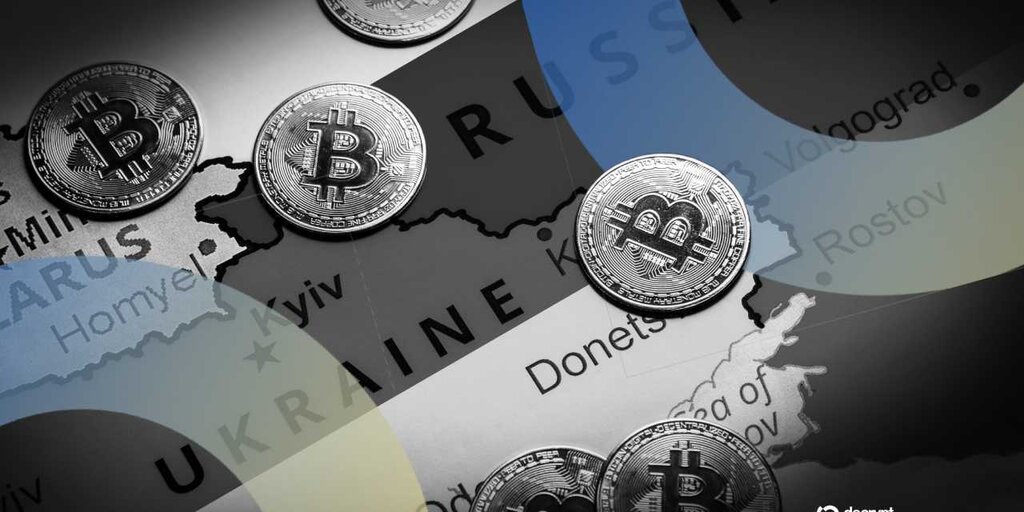
Bank of Russia Updates Cryptocurrency Trading Regulations
The Bank of Russia has confirmed new regulations that will significantly affect cryptocurrency trading among individuals. These regulations allow for a temporary allowance of direct crypto transactions until July 1, 2027, after which such transactions will be restricted.
Overview of New Regulations
On October 12, the Bank of Russia clarified through an FAQ that starting July 1, 2027, individuals will no longer be able to engage in peer-to-peer cryptocurrency trading without a licensed intermediary. This decision arises from the enforcement of Federal Law No. 282-FZ, which outlines the operations fellows can carry out involving digital currencies.
As part of these new regulations, individuals will be barred from:
- Transferring cryptocurrency from a digital account to a non-custodial wallet.
- Transferring assets directly to other individuals using addresses managed by digital depositories.
Impact on Cryptocurrency Transactions
With approximately eight months left before the new rules come into effect, it marks a shift in how Russians can interact with cryptocurrencies. After July 1, 2027, trades must be conducted through licensed companies, primarily brokers and exchange organizations registered with the Bank of Russia.
Additionally, the borrowing of cryptocurrency will become off-limits for individual consumers; only regulated entities will be permitted to facilitate crypto loans. This alters the market dynamics significantly, especially for individuals accustomed to trading directly among themselves.
Recent Developments in the Crypto Sector
Recently, Sberbank, the largest bank in Russia, joined the central bank’s register of crypto exchange organizations and intends to introduce its first crypto products by December 1, 2023. Other organizations, such as VTB and T-Invest Lab, have also registered in the same capacity.
It is important to note that although peer-to-peer transactions are allowed until the deadline, this practice has already faced restrictions, particularly influenced by recent market changes when Binance divested its Russian operations in 2023.
Future Implications
Post-July 1, 2027, new regulations will mandate that all Russian banks refuse to process transactions involving foreign digital wallet funding and will not permit the receipt of rubles from foreign platforms. This extensive regulatory framework aims not only to control domestic trading activities but also to enhance compliance with international financial practices.
Additionally, the law prevents the use of cryptocurrencies for domestic purchases, allowing only their use in international trade settlements. This regulatory approach has been characterized by some lawmakers as a means to circumvent existing sanctions.
