


Europe’s Defense Strategy: NATO Responds to Russian Aggression
Recent Incidents Heighten Alert
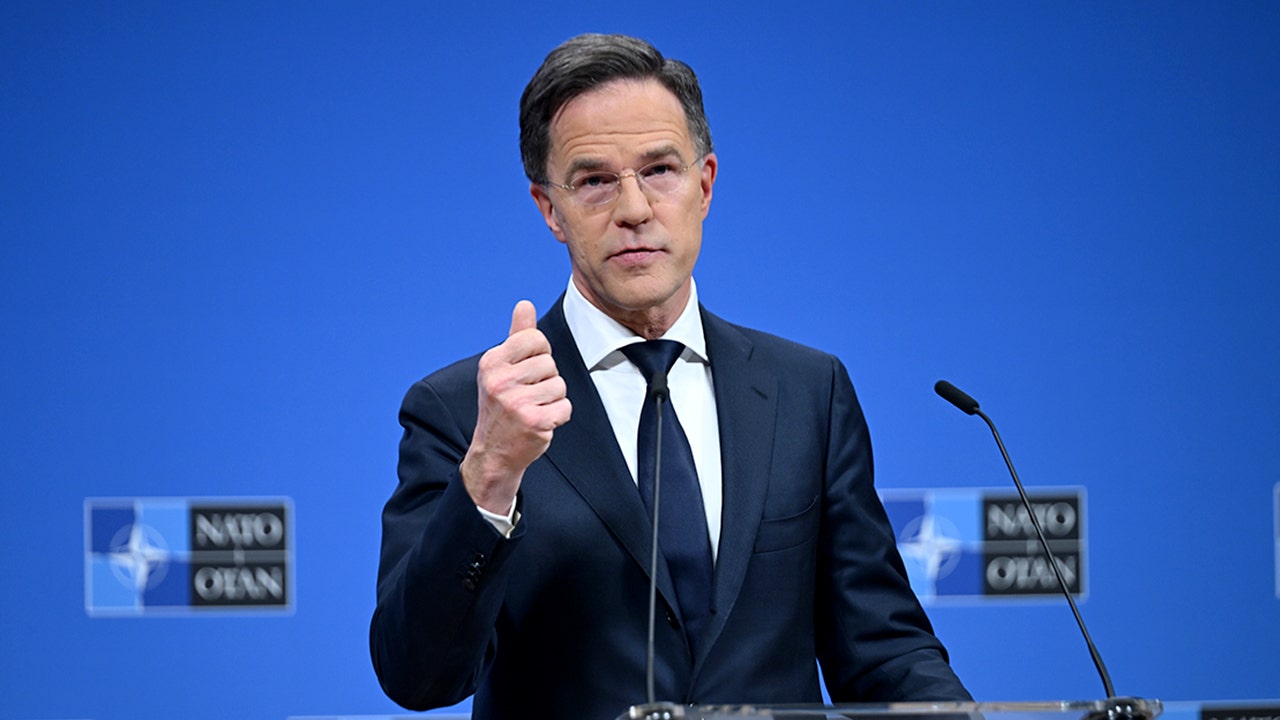
Amid alarming developments, Polish airspace was allegedly violated by suspected Russian missiles, prompting NATO Secretary-General Mark Rutte to issue a strong warning regarding the alliance’s commitment to protect every part of Polish territory. This incident occurred in the wake of a significant missile strike on a residential building in Kyiv, affecting civilian life and safety.
Concerns Over Military Coordination
During the 72nd annual session of the NATO Parliamentary Assembly held in Berlin, Rutte expressed concerns regarding the potential establishment of a separate European army. He argued that such a structure could complicate NATO’s operational response in the event of a Russian attack. “If Putin attacks, we will first need two or three weeks to agree who will do what,” Rutte explained, underscoring the urgency required in military coordination against Russia’s advancing military capabilities.
Lessons from the U.S. Military Structure
Drawing parallels with the United States’ integrated military system, Rutte advocated for a unified European military force. He stated, “If you have a European military, you cannot also have national militaries,” highlighting the importance of coherence in defense strategy as vital for effective responses to external threats.
Long-term Security Threats
Rutte noted that ongoing military production in Russia, coupled with alliances with nations like China, Iran, and North Korea, poses a persistent threat to European security, irrespective of the outcome of the war in Ukraine. He emphasized that “Russia’s war machine at the moment is running at full speed,” and warned that the nation would continue its militarization after the conflict concludes.
All of Europe is on the Eastern Flank
Expanding on NATO’s geographical vulnerabilities, Rutte reminded member nations that the threat from Russia extends beyond just its eastern neighbors. “You are on the eastern flank too,” he stated, pointing out that long-range Russian missiles could potentially reach capitals across Europe, indicating that every NATO country must prepare accordingly.
Enhanced Surveillance in Response to Threats
In reaction to security breaches, NATO is set to deploy an Airborne Warning and Control System (AWACS) aircraft to bolster surveillance efforts along its eastern border, as confirmed by Polish Deputy Defense Minister Pawel Zalewski. This aircraft will enhance operational awareness and improve the alliance’s capacity to monitor and respond to aerial threats.
Civil Preparedness for Defense
Rutte emphasized the importance of civilian preparedness in national security. He referenced initiatives in Northern European nations aimed at instructing citizens on how to support military efforts during wartime. This approach fosters a whole-of-society model in readiness against potential invasions.
Looking Ahead: Security Guarantees and Cooperation
The future of Ukraine’s security arrangements remains uncertain, especially concerning potential guarantees similar to NATO’s Article 5. Rutte’s statements reflect an urgency for NATO members to reinforce collaborative defense strategies and maintain vigilance against ongoing threats from Russia and its allies.