


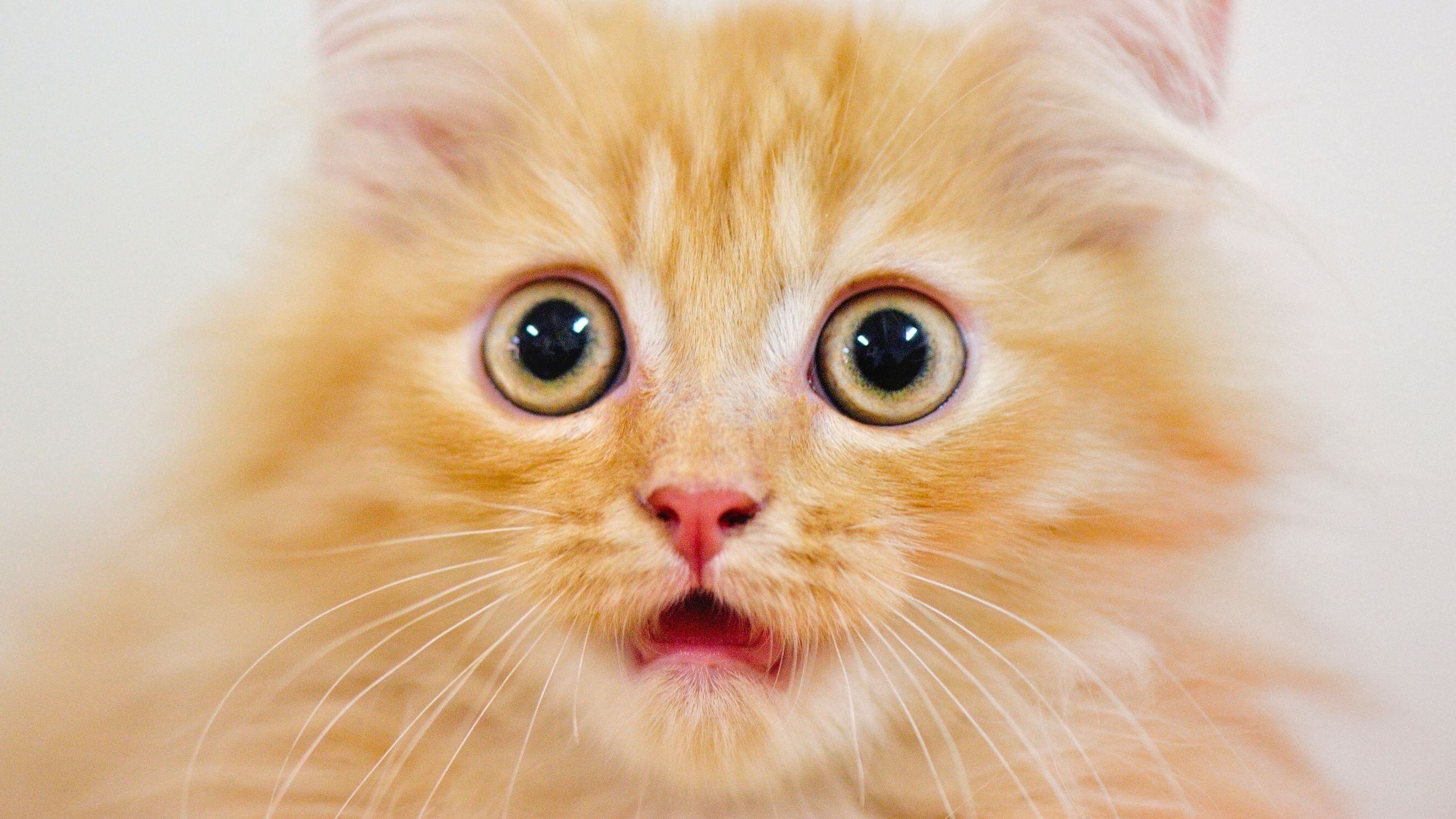
The Genetics of Orange Cats: Unraveling a Colorful Mystery
Introduction to Orange Cats
Orange cats have carved a niche in the feline world, not just for their distinctive color but for the intriguing genetic questions they pose. Despite the widespread recognition of their vibrant fur, the underlying genetics of this trait have puzzled researchers for decades.
The Genetic Mystery Unveiled
For over 60 years, the specific gene responsible for orange fur in cats eluded scientists. Recent studies conducted by two independent research teams have shed light on this mystery. It appears that a deletion in a non-protein-coding region of the cat’s genome plays a pivotal role in determining this striking fur color.
Key Findings from Research
According to Stanford University geneticist Greg Barsh, their research revealed that skin cells from orange-furred cats exhibit a remarkable 13 times higher expression of the Arhgap36 gene compared to those from non-orange cats. Initially, the expectation was that a mutation within the protein-coding section of this gene would be responsible; however, it was actually a preceding sequence containing a 5-kilobase deletion that influenced gene expression.
This deletion was observed in every orange cat analyzed among 188 samples, encompassing 145 orange, 6 calico/tortoiseshell, and 37 non-orange cats. Notably, the altered gene is situated on the cat’s X chromosome, which accounts for the distinctive differences in fur color between male and female cats.
Sex-linked Traits and Color Patterns
Statistically, most orange cats are male, whereas females with orange fur typically exhibit a mix of colors, as seen in calico and tortoiseshell patterns. The research findings confirm the X chromosome’s role in producing these differential colors. Males carry one X chromosome that may have the orange mutation, while females inherit two X chromosomes, resulting in varied expressions of the orange trait.
The random inactivation of one X chromosome in female cats leads to a mosaic of fur coloration, where some fur can be orange, while other fur retains different colors. In rare instances, females may inherit the orange mutation on both X chromosomes, resulting in them being fully orange, similar to typical male orange cats.
Health Implications and Cognitive Associations
Despite popular anecdotes suggesting that orange cats have less intelligence, scientific evidence does not support a direct correlation between fur color and cognitive ability. The overexpression of the Arhgap36 gene in these cats primarily affects pigment production in melanocyte cells, with no significant adverse health or cognitive implications.
Previous studies in other animals indicated that deviations in Arhgap36 can lead to developmental issues; however, in orange cats, the phenomenon seems localized to pigmentation without broader impact on overall well-being.
Broader Cultural Context
Throughout history, the complex inheritance patterns of coat color have intrigued cat owners and scientists alike. For instance, a pairing of a black cat and an orange cat typically results in male kittens that are either orange or black, while female kittens can exhibit a variety of color combinations, including calico patterns that are revered for their beauty.
In addition to their genetic allure, a recent study spanning 93 countries indicated a possible relationship between higher cat populations and increased levels of reported happiness, although the researchers caution against drawing definitive causal conclusions.
Conclusion
As research advances, the genetic intricacies behind orange cats continue to fascinate both professionals and enthusiasts. The elucidation of the Arhgap36 gene offers a profound insight into feline genetics, enhancing our appreciation for these unique creatures and their colorful coats.
