


Senate Passes Bipartisan Energy Reform Bill to Modernize Permitting Laws
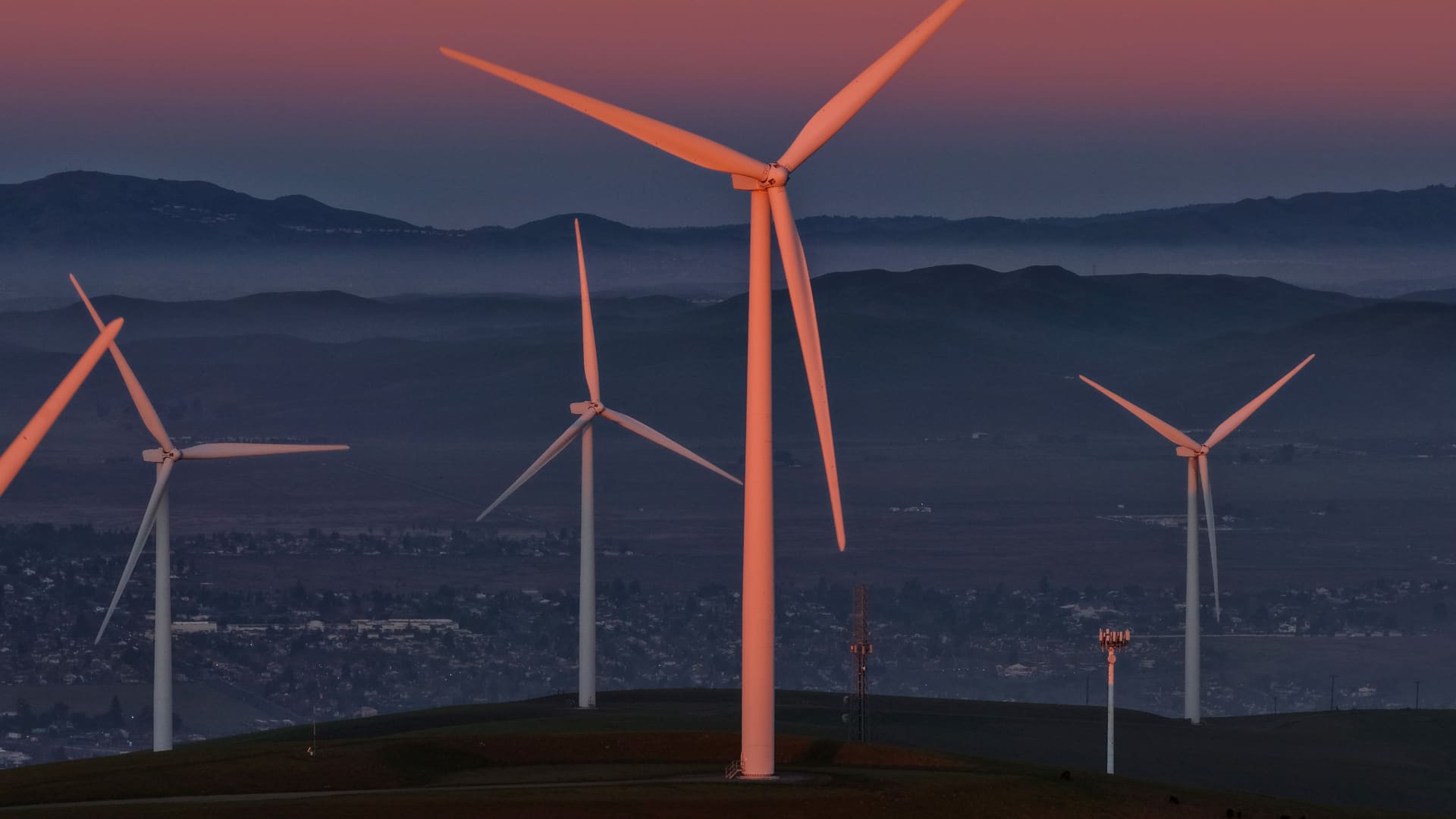
An aerial view of wind turbines at the Altamont Pass wind farm in Livermore, California, illustrates the increasing importance of renewable energy in the U.S. energy landscape. (Justin Sullivan | Getty Images)
Overview of the Legislation
On January 13, 2026, the Senate approved a significant bill aimed at alleviating the environmental permitting process and enhancing electrical transmission regulations. This legislation, dubbed the Bipartisan American Affordability and Jobs Act of 2026, seeks to stimulate construction in the energy and technology sectors while potentially reducing energy costs for consumers. The bill passed with a vote of 62-33.
Political Divisions and Support
The passage of the bill has revealed underlying divisions within the Democratic Party, as more members voted against the measure than those who supported it. Notable supporters included Senate Minority Leader Chuck Schumer, D-N.Y., who voted to move the bill forward despite significant opposition from various environmental groups and Native American tribes.
Senator Ruben Gallego, D-Ariz., expressed optimism about the bill’s potential impact on carbon emissions, stating, “It’s going to be legislation that’s really going to make the biggest difference for the next 100 years.”
Next Steps and Expected Challenges
The bill’s passage in the Senate marks a crucial milestone, but it still requires approval from the House of Representatives before it can be signed into law by President Donald Trump.
While supporters of the bill emphasize its projected cost benefits and the potential influx of clean energy onto the grid, critics argue that it represents a rollback of critical environmental protections. Senator Martin Heinrich, D-N.M., one of the bill’s authors, highlighted the necessity of the act, stating, “Working people can’t afford to wait another few years for us to get this done.”
Reactions from Industry Groups
The bill has garnered positive responses from both clean energy and fossil fuel organizations. The American Clean Power Association applauded it as a crucial step toward modernizing America’s energy systems while lowering consumer expenses. Conversely, the American Petroleum Institute praised it for its permitting reforms that aim to enhance energy accessibility.
According to estimates from the Rhodium Group, the legislation could facilitate the establishment of an additional 17 to 249 gigawatts of clean energy by 2040, while also leading to a notable reduction in greenhouse gas emissions.
Stakeholder Concerns
Despite the positive outlook from some sectors, environmental advocates like the Natural Resources Defense Council have cautioned against potential negative impacts, arguing that it could enable unwarranted developments favoring the fossil fuel industry. They called for lawmakers to prioritize a more responsible approach to permitting reform.
As the bill moves to the House, it faces scrutiny similar to what it encountered in the Senate, with Democratic representatives expressing differing opinions on its merits.
In a statement, Rep. Scott Peters, D-Calif., emphasized the importance of the bill in achieving affordability and protecting the environment, saying, “BAAJA does all three. We should pass it before the end of this Congress.” Conversely, Rep. Jared Huffman, D-Calif., urged Democrats to reconsider, arguing that an improved deal could be negotiated.
