


Addressing Recent Measles Outbreaks and the Critical Role of Midwives
As the nation grapples with alarming measles outbreaks, healthcare professionals are witnessing firsthand the severe ramifications of decreased vaccination rates. “Babies gasping for air, children needing oxygen and respiratory support, patients on ventilators,” remarked Dr. Evan Shirey, a pediatric infectious disease physician at Penn State Health Golisano Children’s Hospital. He emphasized the troubling state of health among young patients, noting infections affecting abdominal organs, dehydration, and severe feeding difficulties.
Personal and Professional Impact
Dr. Shirey, who has a 3-month-old son too young for vaccination, expressed the duality of his experience as a physician and father. “I’m experiencing the outbreak as a doctor, but I’m also experiencing it as a dad, and I can’t protect my baby yet with a vaccine,” he stated, reflecting on the fears parents face during such health crises.
Severe Health Consequences
The effects of measles extend beyond initial illness, with some children developing encephalitis, a potentially life-threatening inflammation of the brain that can take months to resolve or cause irreversible damage. Tragically, there have been fatalities, including the reported deaths of at least two babies in the state.
The Role of Midwives in Mitigating Spread
In response to the urgent situation, states are reevaluating regulations regarding vaccination administration. Historically, traditional midwives have been restricted from vaccinating without physician oversight. However, New York has recently declared a disaster emergency that allows trained, unlicensed healthcare practitioners, including certain midwives, to provide vaccines.
Katherine Wells, public health director for Lubbock, Texas, expressed regret over not employing midwives during past outbreaks—specifically within the Mennonite communities in Gaines County. She highlighted the importance of trust and community ties in delivering healthcare: “During the emergency is not the time to be passing out your business card. You have to know those people.” This approach is crucial in rural and religiously-focused areas, where skepticism towards government health interventions may loom large.
Community-Level Initiatives
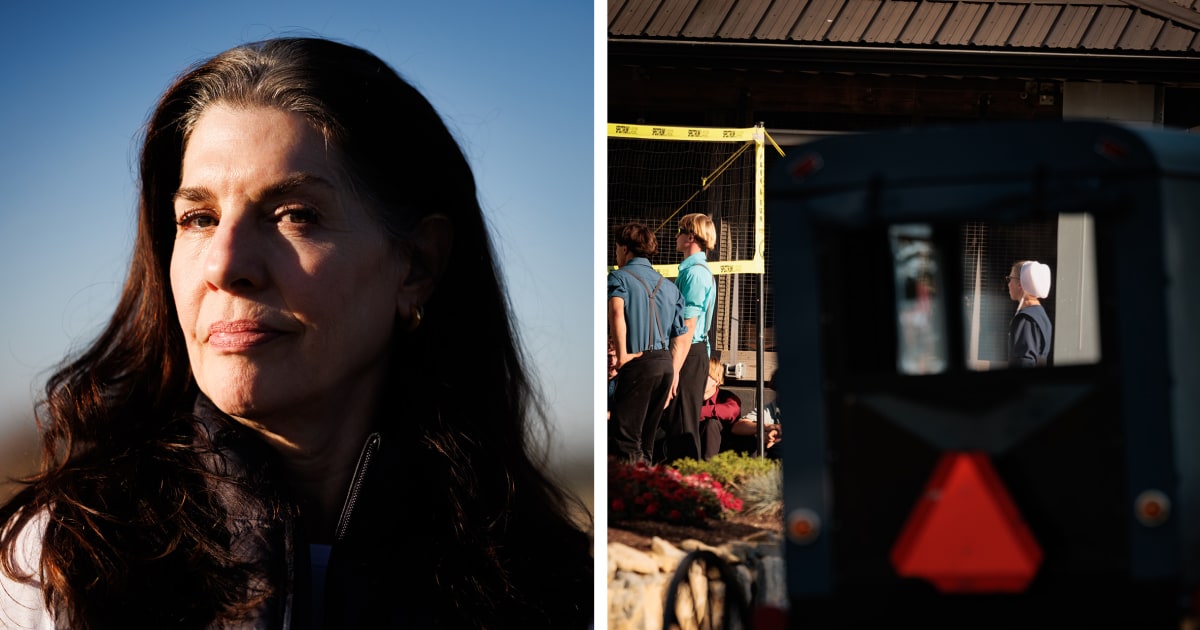
In light of the ongoing situation, midwives are stepping up. Korina Bauer, a certified nurse midwife in Shawano County, Wisconsin, is collaborating with local public health entities to establish measles vaccination clinics for her clients, primarily from Amish backgrounds. As the state reports 551 measles cases, Bauer is proactively counseling pregnant women concerned about exposure to the virus.
In Pennsylvania, midwives have also been invited to participate in education efforts about measles, demonstrating the state’s commitment to leveraging community health workers to combat the outbreak effectively.
Conclusion
The current measles outbreak underscores the critical need for public health interventions, particularly in communities where vaccine hesitancy prevails. By engaging midwives and local healthcare practitioners, health officials can enhance outreach and vaccination efforts, aiming to protect vulnerable populations and diminish the impact of preventable diseases.
