


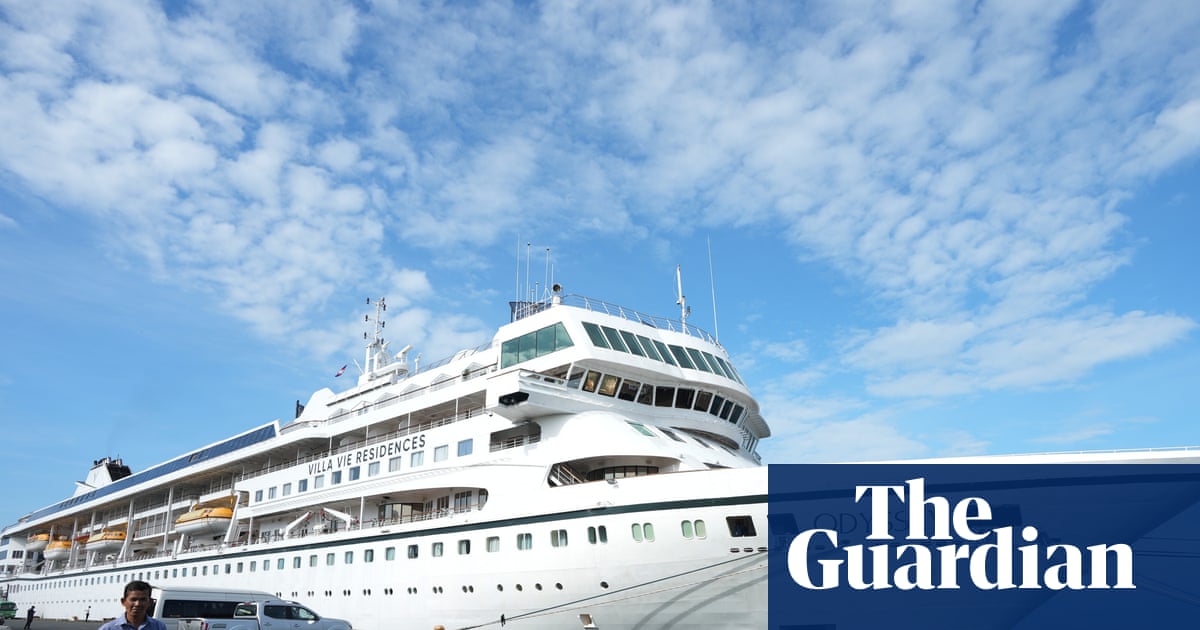
MV Odyssey Seized in Singapore After Passenger Debacle
In a significant development for maritime operations, Singaporean authorities have seized the MV Odyssey, a cruise ship previously marketed to retirees as a vessel for permanent living at sea. This vessel recently faced severe financial difficulties, leading to distress for over 200 passengers who were left stranded in Cambodia.
Background on the MV Odyssey
Once envisioned as a revolutionary lifestyle choice, the MV Odyssey aimed to provide multi-year residencies aboard its 195-meter vessel for costs ranging from $120,000 to $440,000. However, escalating fuel prices exacerbated by the ongoing conflict in Iran rendered the ship’s operations financially unsustainable.
Timeline of Events
- In late October, the operator, Villa Vie Residences, abruptly disembarked all passengers with little notice, offloading them in Sihanoukville, Cambodia.
- Reports indicate that the company owed around $500,000 in fuel payments, contributing significantly to its operational challenges.
- Subsequently, the MV Odyssey sailed to Singapore and was placed under “sheriff’s arrest” on November 5, following a court order, although no criminal charges have been filed against the vessel.
Conditions on Board
Despite claims that the crew onboard are well-cared for, the ship’s sudden change of fortune raises questions. Authorities note that arrangements for crew welfare are being coordinated with the vessel’s creditors, and there are currently no passengers aboard the ship.
Passenger Experiences and Reactions
Most passengers on the MV Odyssey were American, and many have temporarily remained in Cambodia to explore alternative arrangements. One couple, Lanette Canen and Johan Bodin, documented their experiences on YouTube, expressing concerns about the ship’s fate as decisions were left to financial stakeholders. Other passengers, including writer Randy Cassingham, reported attempts to support the crew with financial contributions after being offloaded.
The Broader Impact of Financial Challenges
Throughout the cruise, participants encountered multiple problems, including a four-month delay before the ship’s departure from Belfast, Northern Ireland. Observers noted signs of financial strain early, with passengers even raising funds among themselves to cover fuel expenses during the journey.
Conclusion
The MV Odyssey saga illustrates the complexities and risks inherent in modern cruise operations, particularly during periods of economic volatility. As passengers grapple with the fallout from this situation, the future of the MV Odyssey remains uncertain, echoing broader themes of sustainability and financial management in the cruise industry.
