


The Future of Open-Source Software: A Shift Towards Accessibility
New Developments in Software Alternatives
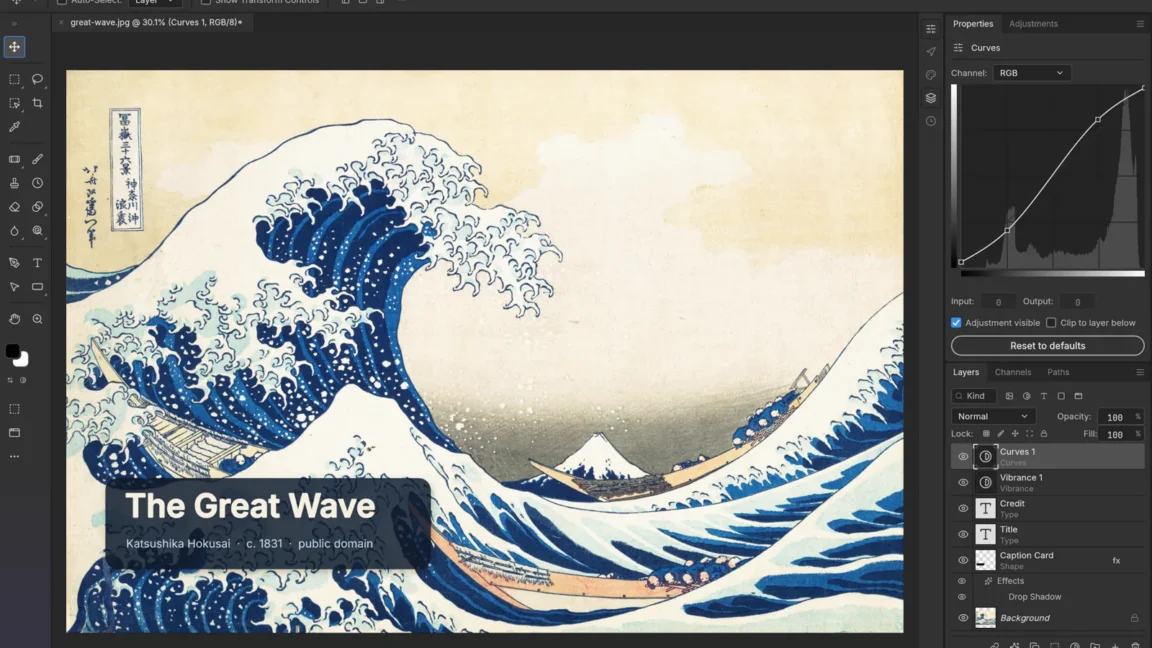
Amidst growing frustrations with traditional software licensing practices, developers like Thomas are taking initiatives to create open-source alternatives to popular software such as Adobe’s suite. With nearly ten years of experience in large-scale Rust projects, Thomas aims to provide completely free software alternatives, inspired by his experiences with restrictive cancellation fees.
Funding Through Innovative AI Integration
The development of these open-source alternatives will be supported financially through the sale of token-based access to the pre-existing Artcraft visual AI model. This model not only enhances the applications but also serves as an integrated tool for generating images, along with options from third-party models. Thomas emphasized that this revenue would ensure the sustainability of the project, stating, “We have a team building popular software for filmmakers, so supporting this is fully funded.”
Legal Implications and Reverse Engineering
Though the practice of reverse engineering—replicating software functionality without directly using the code itself—has generally held up under legal scrutiny, there are still concerns. The new ArtCraft applications may face potential legal challenges if their design too closely resembles the distinctive appearance of Adobe’s software.
Empowering Developers with AI Tools
Since switching to AI tools exclusively for coding in February, Thomas envisions a future where developers can recreate popular paid software as fully functional open-source versions. He expresses confidence that this shift will lead to significant advancements, declaring, “Now you can just create 1:1 functional equivalents, clean room, that are highly performant and cross-platform. Nothing is stopping you.”
This bold vision includes aspirations to develop alternatives to major technology providers, asserting, “We’ll replace Google Search, we’ll build our own smartphones, we’ll build better infra. We’ll remove all the ads and de-enshittify the entire tech world.”
Rethinking Software Ownership
In a dramatic affirmation of this new direction, Thomas declared, “Software is over,” claiming to have achieved a comprehensive alternative to Photoshop. His remarks underscore a transformative moment within the software development landscape, driven by accessibility, innovation, and the community-centric ethos of open-source initiatives.
