


Controversies in Recent Lethal Injection Executions
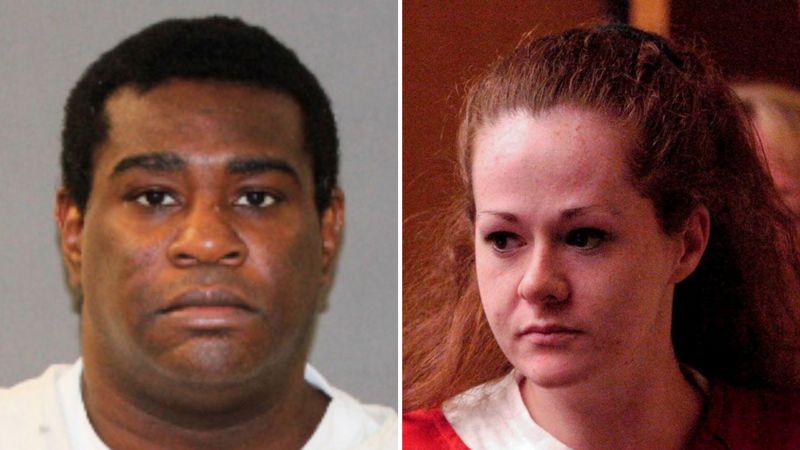
Recent executions in the United States have reignited debates over the use of lethal injection, particularly with cases featuring starkly different outcomes despite the use of the same drug.
Execution of Jamaal Howard
On Wednesday, Texas executed 46-year-old Jamaal Howard, convicted of murdering a convenience store clerk over two decades ago. The execution occurred at a state prison in Huntsville, where Howard was administered a lethal dose of pentobarbital, a powerful barbiturate.
Howard was declared dead at 8:03 p.m. after showing signs of respiratory distress, such as gasping and snoring, shortly after the drug was administered. He was pronounced dead 19 minutes later.
Christa Pike’s Botched Execution
In a contrasting case, a botched execution attempt took place in Tennessee on September 30, when Christa Pike was injected with the same drug but failed to die. Pike’s execution was halted after she began snoring and moaning but did not lose consciousness. Currently, she is recovering in a Nashville hospital, having survived the attempt.
Following the incident, Governor Bill Lee of Tennessee has ordered an investigation into the execution procedures and has suspended all future executions for the remainder of the year.
Key Differences in Execution Protocols
Both Texas and Tennessee’s execution protocols require the use of a 100 ml solution containing 5 grams of pentobarbital. However, the specifics of how many doses were administered to Howard remain unclear, prompting inquiries into the Texas Department of Criminal Justice for clarification.
Pike, who was to be the first woman executed in Tennessee in 200 years, faced complications during her execution, including difficulties in finding suitable intravenous access. Reports indicate that her execution team struggled with the IV lines, using multiple needles without success. This experience reportedly left her arms swollen and blistered.
Medical and Legal Aftermath
After Pike’s unsuccessful execution, her legal team took emergency measures to preserve evidence, which included physical evidence and any communications related to the execution. Her attorneys assert that the pentobarbital she received burned her skin and vessels due to improper IV administration.
The Tennessee Department of Correction maintains its procedures followed the established lethal injection protocol; however, it acknowledges that there are no specific protocols for secondary injections if the initial administration is ineffective.
Pike’s recovery has been complicated by health issues such as pneumonia and a blood clot in her arm, raising concerns about her medical state following the botched execution.
Court Proceedings and Political Reactions
In the Texas courts, motions submitted by Howard’s attorneys on the day of his execution claimed he faced similarities to Pike’s situation due to the drug’s questionable quality. The Texas Court of Criminal Appeals denied these motions without comment.
Political responses have surfaced in the wake of these events, with some officials advocating for a return to more traditional execution methods. Tennessee Senator Marsha Blackburn has called for the reinstatement of the electric chair, while her opponent, Jerri Green, has proposed a moratorium on all executions, highlighting the need for reevaluation of the state’s capital punishment practices.
