


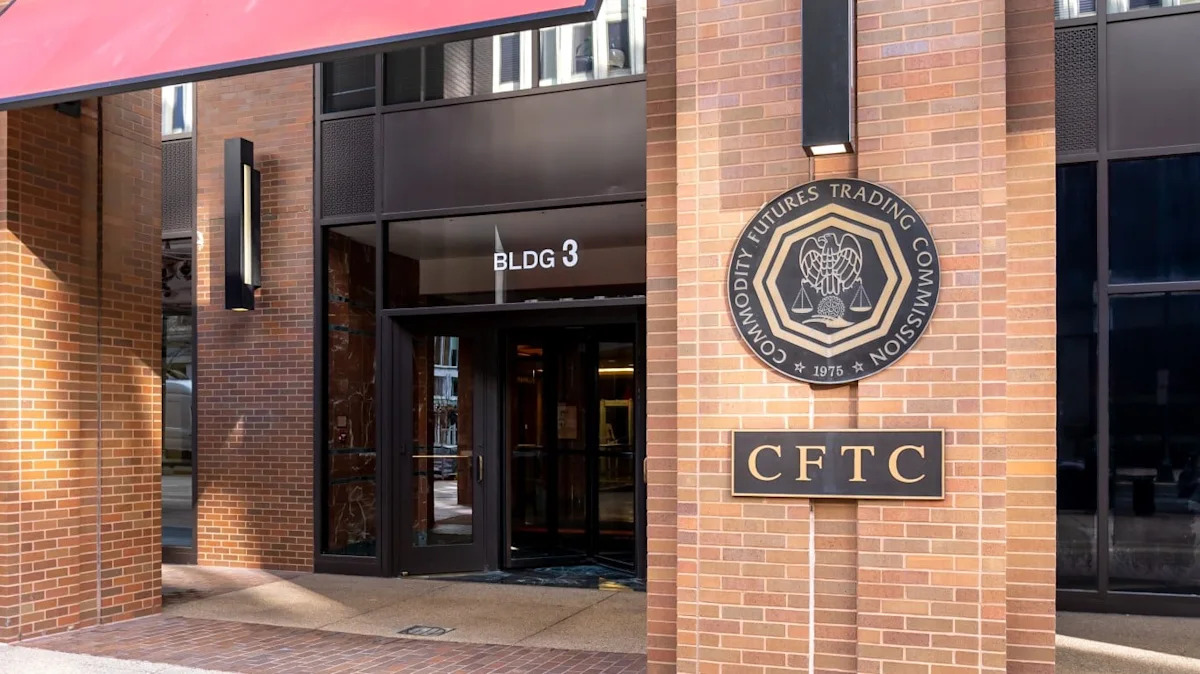
CFTC Proposals Elevate XRP Status: Digital Commodity Regulations Explained
On October 5, 2026, the Commodity Futures Trading Commission (CFTC) proposed new regulations that classify XRP (CRYPTO:XRP) as a “digital commodity.” This proposal aligns XRP with established cryptocurrencies like Bitcoin (CRYPTO:BTC), Ethereum (CRYPTO:ETH), and Solana (CRYPTO:SOL). This announcement builds upon a joint designation by the SEC and CFTC made earlier in March of the same year, intensifying discussions within the crypto community regarding XRP’s regulatory classification.
Current Legal Context for XRP
The ongoing debates around XRP’s classification are heavily influenced by a 2023 federal court ruling which determined that certain sales of XRP by Ripple could be classified as investment contracts. This ruling signifies that while XRP is generally viewed as a commodity, specific future sales may still attract scrutiny under securities law.
Implications of CFTC’s Proposed Regulations
The CFTC’s proposed regulations aim to unify the regulatory oversight for XRP trading under a single authority. Presently, both the CFTC and the SEC have responsibilities concerning cryptocurrencies, which creates potential complexities for exchanges and market participants. The CFTC’s new framework seeks to encompass:
- Spot markets where cryptocurrencies are directly bought and sold.
- Derivatives markets, which include futures contracts that track the value of various cryptocurrencies.
This consolidation means that platforms trading XRP would fall under a single regulatory body rather than multiple, potentially simplifying trading and compliance processes.
Next Steps in the Regulatory Process
Currently, the proposed regulations remain in draft form. A public commentary phase will follow their publication in the Federal Register, allowing stakeholders to share their views before any final decisions are made. Until these regulations are officially adopted, the specific rules concerning XRP trading will remain undetermined.
Previous Designations: XRP’s Status as a Digital Commodity
The latest CFTC proposals continue to acknowledge a classification established earlier in March 2026, wherein XRP, alongside 15 other cryptocurrencies (including Stellar, Tezos, and Cardano), was recognized as a digital commodity. This classification does not impose restrictions on XRP’s status but serves to establish a framework for its trading environment.
Ongoing Legal Challenges and Market Factors
Despite the ongoing recognition of XRP as a digital commodity, market participants must be aware of the legal nuances. Following the SEC’s lawsuit against Ripple in December 2020, uncertainty regarding XRP’s classification has persisted. A ruling from July 2023 clarified that Ripple’s direct sales to institutional investors are considered investment contracts, while sales to the general public on exchanges are not. This distinction indicates that while XRP is generally classified as a commodity, certain sales presented as investment opportunities could still be analyzed under securities regulation.
Conclusion: Clarity or Confusion for XRP Holders?
As it stands, both the SEC and CFTC consider XRP a digital commodity. The implications of the CFTC’s October proposal could further enhance this classification with specific trading regulations, pending public feedback and final adoption. However, the potential for certain XRP transactions to still face securities scrutiny means that holders and traders should exercise due diligence regarding the nature of their transactions. The clarity offered by current classifications may ultimately depend on the outcome of ongoing regulatory processes.
For further updates and insights on cryptocurrency regulations, stay informed on the evolving legal landscape.
