


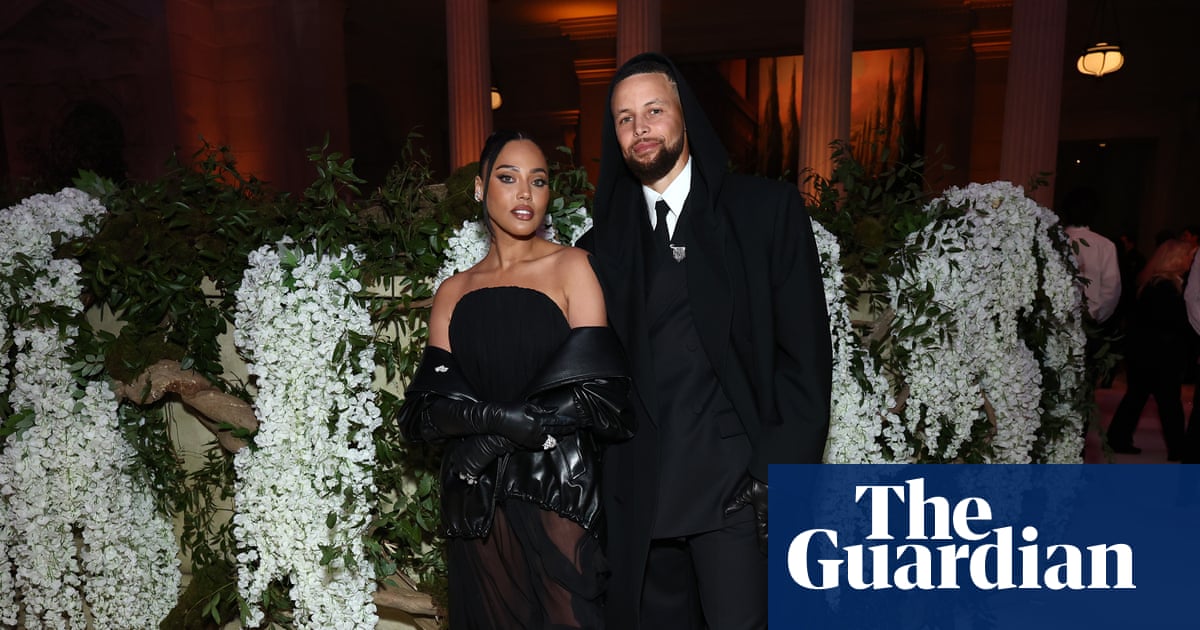
Steph Curry Defends Ayesha: A Statement on Gender Expectations
In a significant video message shared on the official Instagram account of “Wardell Curry,” NBA superstar Steph Curry has made it clear that he will not tolerate online harassment aimed at his wife, Ayesha Curry. Addressing the issue head-on in a 90-second clip, Curry emphasized the troubling mentality surrounding women and their professional pursuits.
The Context of the Criticism
In recent months, Ayesha Curry has faced backlash for her roles in various media projects, notably her lead role in the Hallmark film Second Chance Holiday. In this holiday romcom, she portrays a dating expert struggling with romance, a storyline that has drawn scrutiny from both online trolls and former basketball players.
Critics, including former NBA player Gilbert Arenas, have expressed disapproval of Ayesha’s decision to pursue her acting career. Arenas remarked on his podcast, labeling her a “blemish” within the Curry family and suggesting that she should emulate the more traditional roles fulfilled by the spouses of other NBA stars.
Steph’s Response
Steph Curry’s response was both assertive and thoughtful. He remarked, “Usually the noise doesn’t bother me, doesn’t bother Ayesha. But when you’re trying to step on the accomplishments of my wife… it kind of speaks to the bigger conversation on how you view women in this world.” This statement highlights not only a defense of his wife but also a broader commentary on societal expectations surrounding women’s careers.
Impact of Gender Perceptions
The criticism targeted at Ayesha illustrates ongoing gender biases within sports and entertainment. Despite her achievements, including a successful culinary brand and various television appearances, she remains often viewed through the lens of her husband’s fame. This dual standard contrasts sharply with the public perceptions surrounding other athlete spouses, creating an uneven landscape for recognition and respect.
Public Relations and Personal Identity
Ayesha Curry’s experiences reflect a larger issue regarding women’s empowerment and identity. Her attempts to establish herself as a brand and individual have met resistance, with some sections of the media framing her achievements in terms of her marital status rather than her industriousness and talent. The recent wave of scrutiny from former athletes adds to the pressure she faces to conform to traditional gender roles.
Conclusion
Steph Curry’s defense of Ayesha sends a clear message about the importance of standing up against unfair gender biases. As society grapples with evolving perceptions of women’s roles both at home and in the workplace, the Currys’ situation shines a light on the complexities athletes face regarding personal and professional dynamics. The ongoing public discourse surrounding Ayesha serves as a reminder of the need for continuous reflection and growth in our views on gender and achievement.
