


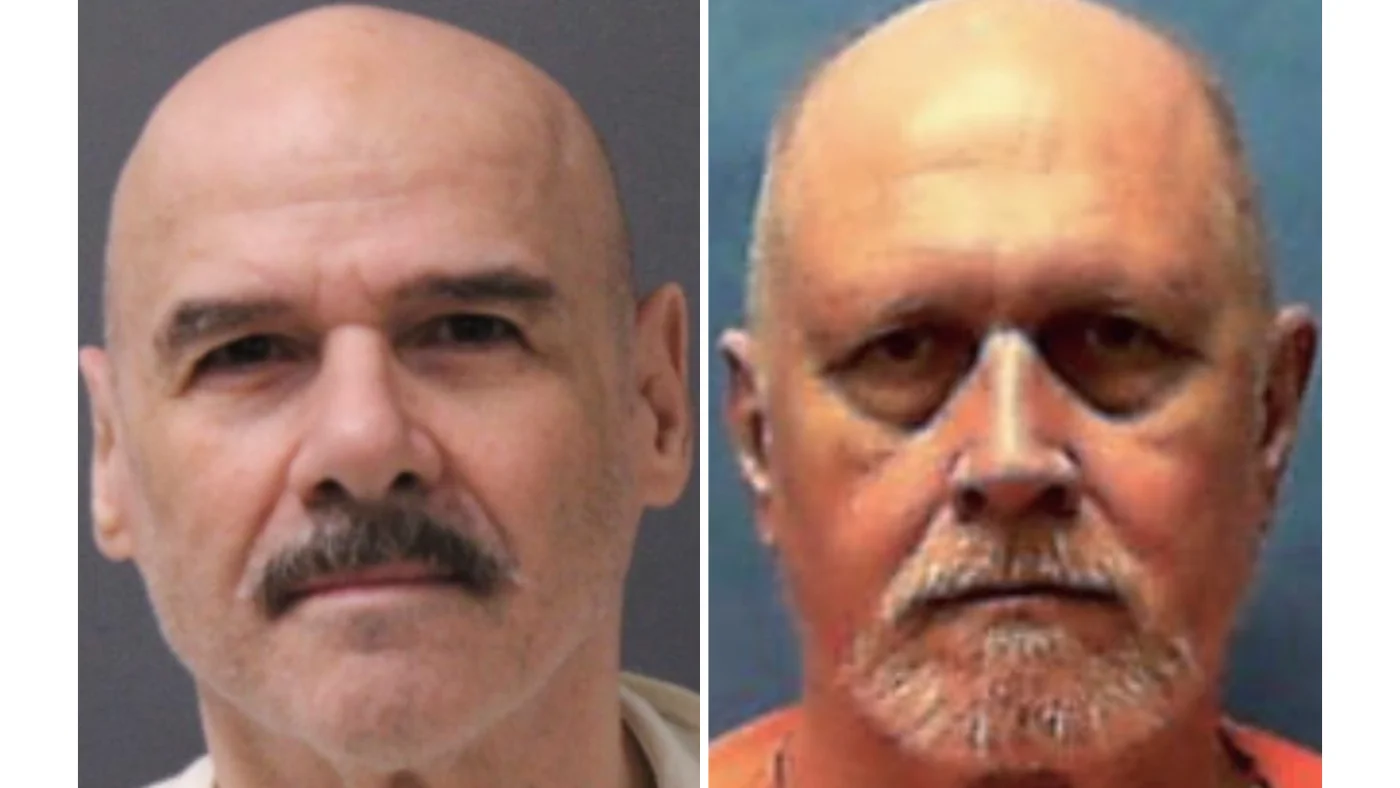
Texas Execution Raises Concerns Over Procedure and Pain Management
On April 14, 2026, Texas executed Reinaldo Dennes, marking his fate after nearly three decades on death row. The execution drew significant attention due to procedural challenges and allegations of pain experienced during the process.
Details of the Execution
Reinaldo Dennes was put to death after officials encountered difficulties in finding suitable veins for the intravenous administration of pentobarbital, a sedative used in lethal injections. The procedure took over an hour, during which Dennes was visibly distressed, moaning and pleading for relief from significant pain.
The Texas Department of Criminal Justice reported that all protocols were followed during the execution procedure, despite complaints from Dennes, who expressed discomfort and agony. Amanda Hernandez, a spokesperson for the department, implied that Dennes may have exaggerated his pain, stating, “I think, yeah, there were allegations… There was nothing abnormal on our part.”
Contextual Events
The execution of Dennes came in the wake of heightened scrutiny regarding the death penalty in the United States, particularly following a problematic execution in Tennessee where inmate Christa Pike allegedly suffered due to improper administration of the lethal drugs, which resulted in burning and blistering.
Background on Reinaldo Dennes
Dennes had been convicted of capital murder for the 1996 killing of Janos Szucs, a diamond dealer found shot in his Houston office. His execution on Thursday made him the second person in the United States to be executed that day, following Florida’s execution of Thomas Mitchell Overton, who was convicted of a double homicide.
Final Moments
In his final statement, Dennes expressed gratitude for the love he had experienced over the years and implored the warden to proceed with the execution. However, he quickly became visibly upset, exclaiming, “The pain! Go! Go!” He repeatedly called for God to relieve him of his suffering until he ultimately succumbed to the procedure.
The execution concluded at 7:07 p.m., with Dennes pronounced dead shortly after. Following the execution, Hernandez noted that the team faced multiple challenges in establishing IV access, resulting in the use of veins in Dennes’ left foot and neck.
Reactions to the Execution
Witnesses remarked on the troubling nature of Dennes’ experience. Janice Copeland, a witness whose husband had been a victim in a related crime, commented, “Finally after 30 years, justice has been served.” Her sentiment reflects the complex emotions surrounding long-awaited justice intertwining with concerns regarding humane treatment.
As the matter of death penalty practices continues to evolve in the United States, Dennes’ execution emphasizes the pressing issues of procedural integrity and the humane treatment of inmates within the justice system.
