


Potential Pricing Shocks for the Next Xbox Console: An In-Depth Analysis
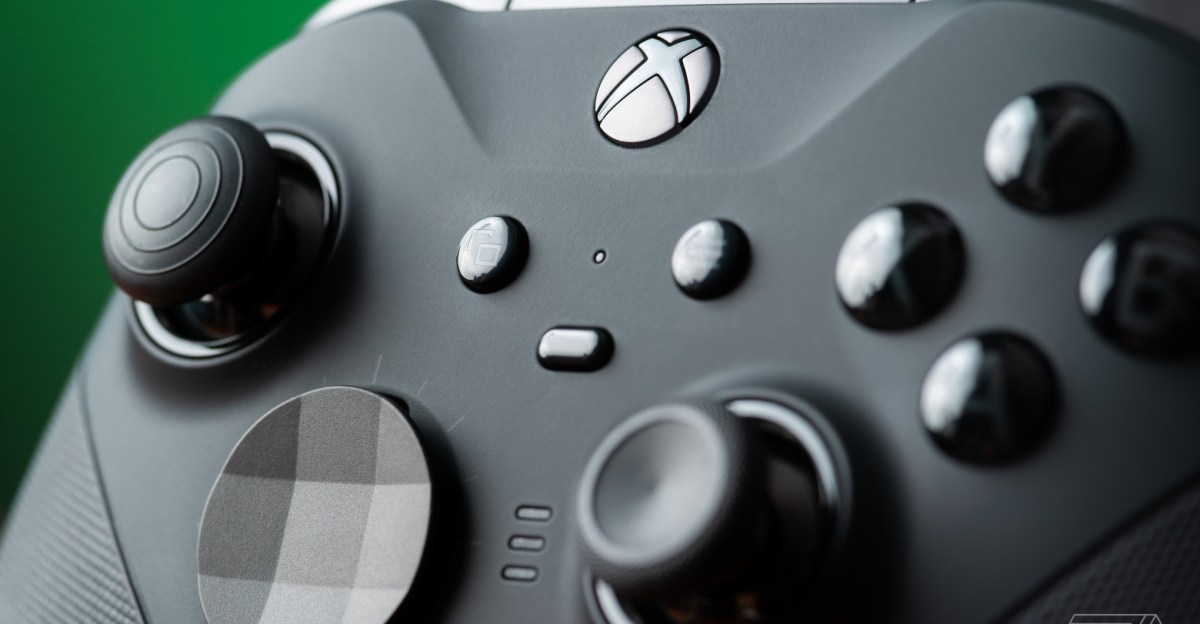
This week, a report from Fortune revealed that insiders from Microsoft predict the upcoming Xbox console, referred to as Helix, could carry a price tag between $1,200 and $1,800 upon its release in 2028. This projection has raised significant concern among gaming enthusiasts and industry analysts alike.
Initial Reactions
The news sparked immediate skepticism regarding the viability of such a pricing strategy. Many argue that a price point exceeding $1,000 is unrealistic in today’s gaming market, where affordability is paramount for broad consumer adoption. Former Microsoft executive Mike Ybarra emphasized the improbability of success for a console priced at such a premium, stating, “I wouldn’t release it at all.”
Understanding Market Dynamics
This sentiment is echoed by notable figures within Microsoft who have publicly acknowledged the difficulties of selling high-priced consoles. Phil Spencer, the previous head of Xbox, notably remarked, “We’re not going to grow the market with $1,000 consoles,” while Asha Sharma, the current head, highlighted the challenges that would arise from a console that the majority of consumers cannot afford.
The Rationale Behind the High Price
The steep price tag associated with the Helix console may be influenced by current economic conditions, particularly the inflated costs of essential components such as RAM and storage. As noted by Sarah Bond, a former Xbox executive, the next generation of consoles is anticipated to deliver unprecedented technical advancements, which may justify higher production costs.
Possible Pricing Strategies
Despite the high projections of Helix’s retail price, there are several potential strategies Microsoft might consider to alleviate the financial burden on consumers:
1. Subsidization Options
Historically, Microsoft has lowered the upfront cost of its consoles through subsidies. In the past, the company accepted losses on hardware sales, instead profiting from software and subscription services. However, Microsoft has suggested a shift away from this model. As Sharma indicated, “Going forward, this cannot continue,” citing previous financial commitments to subsidies totaling around $20 billion. Whether Microsoft may induce a revival of this strategy for Helix remains uncertain.
2. Subscription Models
Another approach could involve bundling the console with expanded subscription services akin to how telecom companies often subsidize devices. For instance, Microsoft could offer a new tier of Xbox Game Pass bundled with the console. Customers might acquire the console at a drastically reduced initial cost, contingent on committing to a multi-year subscription.
3. Rental and Cloud Services
As gaming increasingly transitions to cloud-based models, Microsoft may choose not to prioritize console ownership among consumers. Instead, the company could implement rental options for accessing next-gen gaming experiences. This approach aligns with existing trends within the cloud gaming space, allowing more users to access premium gaming without the financial strain of ownership.
Market Implications
The response to the pricing forecast has sparked discussions about the sustainability and direction of the gaming industry. If Microsoft decides to enter the market with an expensive console while limiting the supply, this may lead to a divide between affluent consumers and the broader audience, potentially stalling innovation and reducing game development targeting.
Conclusion
With uncertainties surrounding pricing approaches, Microsoft needs to carefully consider consumer sentiment and market dynamics. The ongoing conversation surrounding the Helix console serves as a benchmark for understanding trends that could shape the future of gaming—and whether the next generation will be inclusive or restrictively premium.
