


The Wagner Family’s Journey with Loeys-Dietz Syndrome
Critical Health Event
Dr. Annette Wagner, a pediatric dermatologist, faced a life-altering experience when she suffered an aortic dissection while working in her clinic. Characterized by “breathtaking” and “excruciating” chest pain, the 64-year-old immediately recognized the severity of her condition, informed her longtime nurse, and called for medical assistance.
The Underslying Condition
Wagner has been diagnosed with Loeys-Dietz syndrome, a genetic disorder that compromises connective tissues, primarily affecting blood vessels and the aorta, causing them to weaken. The knowledge gained from her family’s medical history enabled her to pinpoint that she was experiencing an aortic dissection—a critical event where a tear occurs in the artery’s inner layer.
Family History of Health Issues
Decades before her own medical crisis, Wagner began investigating her family’s troubling health history. Her brother faced an aortic root dissection at the young age of 38, ultimately succumbing to a second dissection at 60. Her father and grandfather also died from similar conditions, prompting her to seek answers. Initially suspecting Marfan syndrome due to her brother’s early dissection, she focused on potential genetic factors.
Search for Genetic Answers
In the 1990s, Wagner returned to rural Nova Scotia to collect blood and tissue samples from over 40 family members. These samples were analyzed at a research facility in Houston sponsored by the National Institutes of Health investigating causes of aortic aneurysms. Following years of inquiry, a laboratory identified a mutation in the SMAD3 gene, confirming its link to Loeys-Dietz syndrome.
Confronting Personal Health Challenges
After undergoing several surgical procedures following her dissection, Wagner not only confronted her own health issues but also took proactive measures for her children. Her surgeries revealed the necessity for her three children to undergo similar procedures to mitigate the risk of life-threatening dissections.
Support Through Adversity
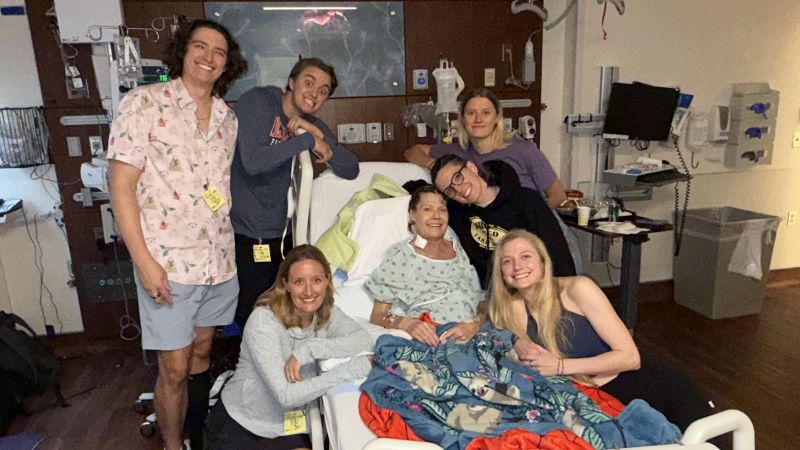
During her recovery, Wagner received overwhelming support from her community and family, with many gathering at the hospital for prayer vigils. After a challenging path through life support and additional surgeries, she emerged with some physical limitations, including lost sensation in the tips of her fingers.
A Family Affair
Following her experience, Wagner made it clear to her children that they needed to address their own health concerns surrounding Loeys-Dietz syndrome urgently. Her children embraced the need for preventive surgeries, completing them across different medical facilities.
Collective Acceptance and Future Steps
This family’s shared struggle with their genetic predisposition to cardiovascular issues has fostered a deep bond. They regularly confer on their health, aiming to monitor their conditions collectively. With their mother and siblings supporting them through their surgical experiences, they perceive their shared history as both a challenge and a powerful motivator for proactive health management.
Emphasizing Family Medical History
Wagner’s case underscores the crucial importance of understanding one’s family medical history for risk assessment. As Dr. Elizabeth McNally, director of the Cardiovascular Genetics program at Northwestern Medicine, notes, Wagner’s awareness of her family’s history informed her proactive approach to health, facilitating timely interventions for her and her children.
Celebrating Resilience
Now, with all her children recovering and doing well, Wagner expresses gratitude for their shared journey and the opportunity to celebrate their resilience together during the holidays. Echoing the spirit of family support, she is focused not only on managing her health but also on contributing to the understanding of Loeys-Dietz syndrome for future generations.
