


The Struggle Between Art and Commerce: Iconic Albums and Their Tumultuous Journeys to Release
The music industry is a battleground where artistic vision often clashes with commercial viability. The debate over the true sound of a “hit” leads to conflicts between ambitious artists and pragmatic record executives. While artists may wish to push boundaries and explore innovative sounds, label executives often prioritize marketability and financial success. The following classic albums highlight this tension and showcase projects that faced immense obstacles before their eventual release.
1. Bruce Springsteen: Nebraska (1982)
Columbia Records was taken aback when Springsteen submitted a lo-fi, four-track demo from his home. Expecting a grand rock album, executives urged him to re-record the tracks, but Springsteen stood firm. The result was a raw, acoustic masterpiece that has since become a critical classic.
2. Nirvana: In Utero (1993)

After the monumental success of ‘Nevermind’, Geffen Records anticipated a follow-up that matched its commercial sound. However, Kurt Cobain sought to create a more abrasive sound with producer Steve Albini. The friction between artistic direction and the label’s expectations led to heated discussions. Despite initial concerns about its harsh production, ‘In Utero’ debuted at number one, solidifying its position as a masterpiece.
3. Frank Zappa: Läther (1996)

Zappa’s ambitious project, planned as a four-record set, faced aggressive opposition from Warner Bros., who attempted to block its release amidst contract disputes. In a bold move, Zappa aired the album on the radio before it was formally released in 1996—19 years later—demonstrating his defiance and commitment to his artistic vision.
4. Neil Young: Tonight’s the Night (1975)

Young faced long delays with Reprise Records, who found the album’s raw emotional content too distressing and commercial for release. He resisted their attempts to soften the material, ultimately delivering a profound work characterized by its authenticity and haunting exploration of grief.
5. Marvin Gaye: What’s Going On (1971)

Berry Gordy, the head of Motown, initially resisted Gaye’s socially conscious single, declaring it detrimental to his career. Gaye’s insistence and subsequent strike against recording new material resulted in the eventual release of ‘What’s Going On,’ which not only defined a genre but also expanded Motown’s artistic horizons.
6. Lou Reed: Metal Machine Music (1975)

When Reed delivered an album comprised solely of feedback and noise, RCA executives were incredulous, fearing it was a prank. The immediate backlash led to massive returns from confused fans and marked ‘Metal Machine Music’ as one of the most controversial releases in history.
7. Sly and the Family Stone: There’s a Riot Goin’ On (1971)

Following the vibrant success of ‘Stand!’, Epic Records anticipated another upbeat album from Sly Stone. Instead, he delivered a more somber, introspective work that challenged their expectations, ultimately leading to its recognition as a pivotal influence in funk and R&B music.
8. Kate Bush: The Dreaming (1982)

EMI Records found itself pressing against the boundaries of traditional pop as Kate Bush explored experimental sounds and heavy production techniques. Despite their reservations regarding commercial appeal, Bush’s determination led to the release of an innovative album that ultimately expanded her artistic legacy.
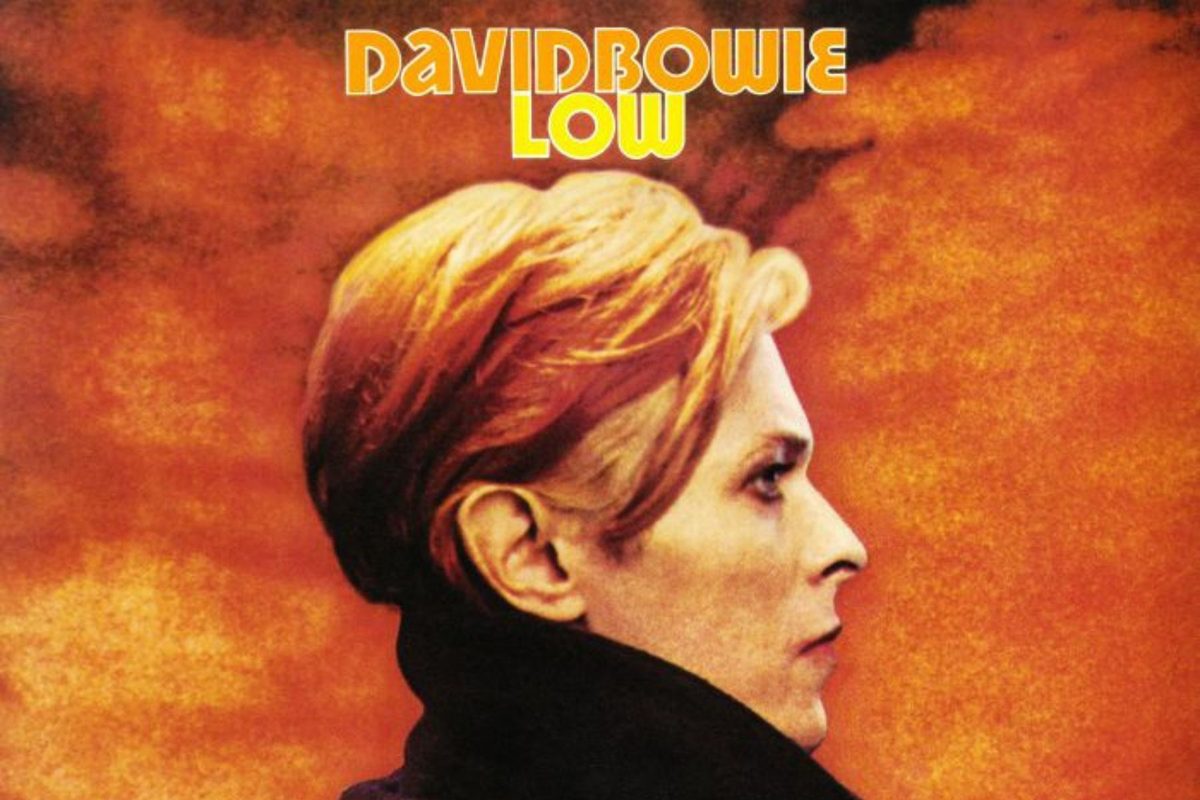
9. David Bowie: Low (1977)

Bowie’s ‘Low’ represented a radical departure from his previous works, combining experimental music with ambient influences. Initial reactions from RCA were mixed, and the delay of its release mystified many. Over time, however, it became a foundational piece for his revered Berlin Trilogy and influenced numerous genres.
10. Frank Zappa: Thing-Fish (1984)

Zappa’s ambitious ‘Thing-Fish’ ran into obstacles when MCA Records retracted their distribution deal due to concerns over its provocative lyrics. Zappa promptly found another distributor and ensured the album reached the public with an eye-catching warning, reinforcing his reputation for challenging societal norms through music.
