


Legal Challenges in Extradition Case of James Chambers
Background on the Case
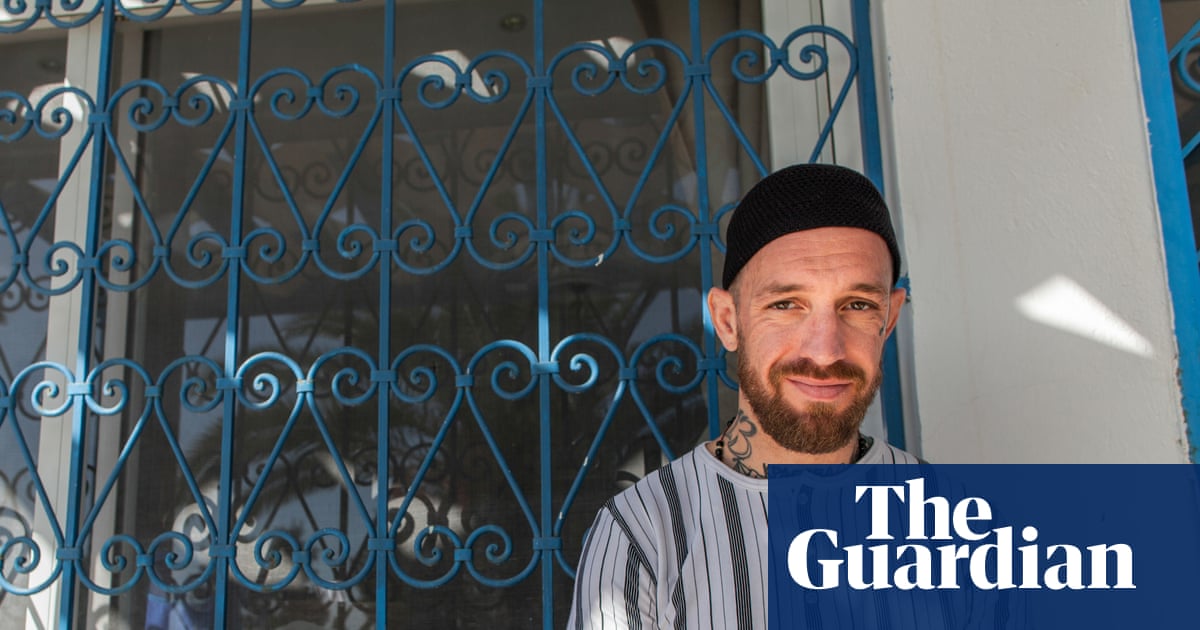
James “Fergie” Chambers, a prominent leftwing philanthropist, is currently facing an extradition request from the United States to Spain. His situation marks a significant legal precedent, being the first known instance where the U.S. seeks the extradition of a citizen based on allegations connected to support for Hamas.
The charges stem from his financial support of activists linked to protests against Elbit Systems, an Israeli arms manufacturer, during events that occurred in late 2023. Chambers has been accused of contributing to the legal fees of protesters, which has led to serious legal repercussions.
Translation Controversy
Chambers’ legal representatives have raised concerns about the accuracy of translations provided by the Trump administration in its extradition request. They claim these translations contain “malicious” alterations that introduce serious legal implications not present in the original English documents.
Attorneys identified several instances where specific terms had been altered, thereby intensifying the seriousness of the allegations. For example, phrases such as “direct action events” were translated as “acts of direct violence” in Spanish, and individual activists charged with property damage were inaccurately referred to as having caused fires.
Aitor Martínez, one of Chambers’ lawyers, expressed deep concern regarding the integrity of the translation process, stating, “This is scandalous – in 20 years of practice, I’ve never seen anything like this.” He highlighted that these changes may mislead Spanish authorities during their evaluation of the extradition request.
Legal Proceedings and Next Steps
The legal team has formally requested the National Court of Spain for a new translation that accurately reflects the original text. They submitted a complaint containing detailed examples of the alleged inaccuracies, asserting that these mistranslations are designed to lead to erroneous conclusions regarding Chambers’ actions.
This week, it was revealed that Chambers’ extradition hearing is set for November 13. There is also an ongoing asylum request by Chambers in Spain, which could affect the extradition process. If granted asylum, extradition would not be permissible.
Concerns Over Handling of the Case
In addition to translation issues, Chambers’ legal team has raised broader concerns about irregularities in the proceedings, such as the apparent violation of international law when the FBI confiscated his phone without appropriate legal authority.
Moreover, the absence of an indictment, with the case leaning on the affidavit of a single FBI agent instead of a grand jury, has drawn additional scrutiny. The charges of riot and conspiracy to riot against Chambers are rooted in his alleged financial support of activists involved in protests against Elbit Systems.
Chambers’ Profile and Public Discourse
A self-described anti-imperialist and communist, Chambers has publicly committed millions to humanitarian initiatives across various countries since severing financial ties with his wealthy family in mid-2023. His outspoken views on the Israeli-Palestinian conflict, particularly following the escalation in violence in October 2023, have further polarized public opinion about his actions.
As the upcoming hearing approaches, the Spanish judicial system must navigate the complexities introduced by these allegations and the surrounding circumstances. The Spanish court has three days post-hearing to make a decision on the extradition, which could ultimately be overruled by the council of ministers.
Conclusion
As the case of James Chambers unfolds, it presents critical implications for international extradition processes, translations in legal contexts, and the broader scope of political asylum claims. The outcome of this legal battle may shape future U.S.-Spain extradition agreements and the treatment of politically motivated cases.
