


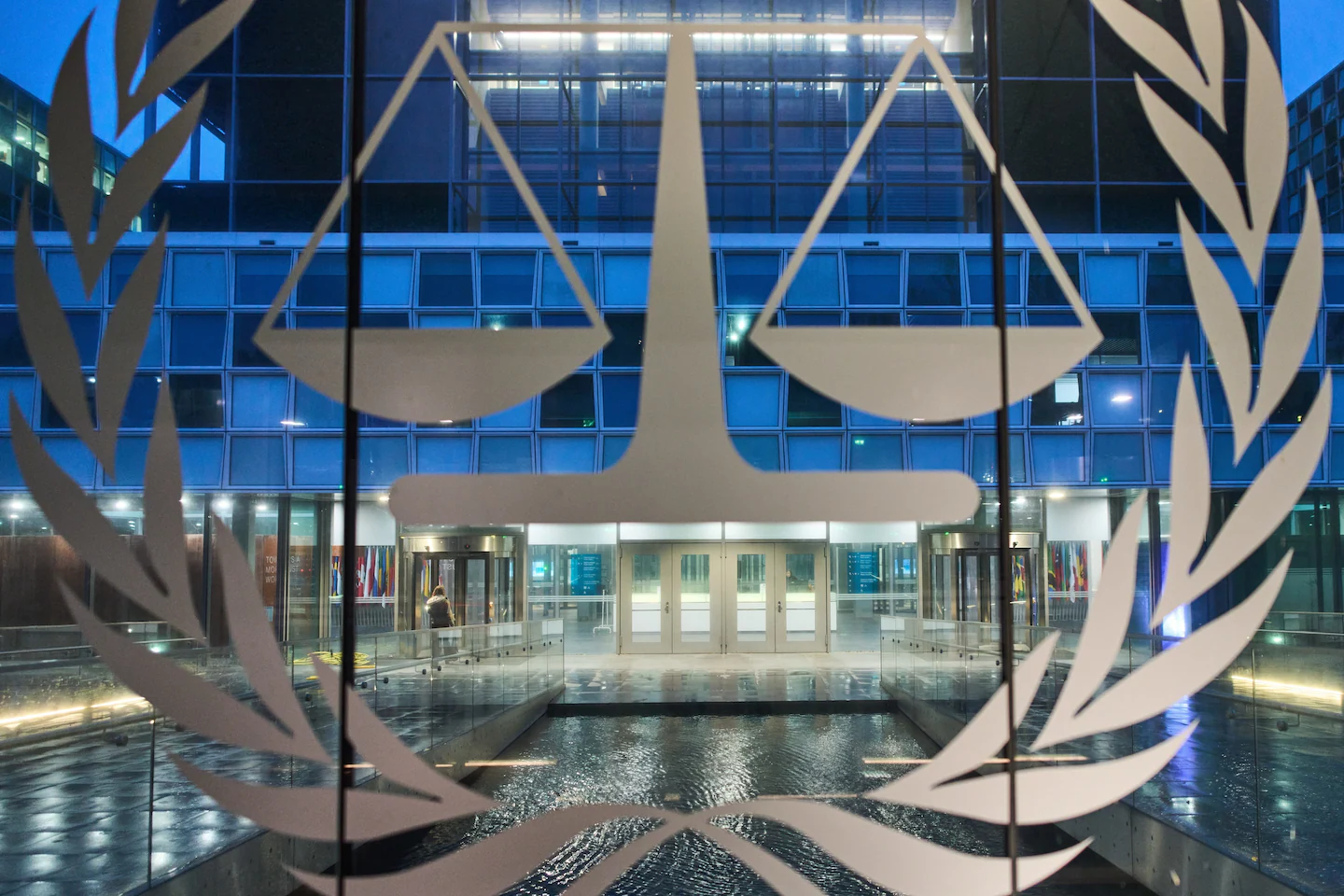
Trump Administration’s Sanctions Against the ICC: A Significant Development
On Friday, the Trump administration took a substantial step in its ongoing conflict with the International Criminal Court (ICC) by imposing aggressive sanctions. This announcement came just hours after a former ICC judge received the prestigious Nobel Peace Prize.
Sanctions Intensify U.S.-ICC Relations
The new sanctions represent a marked increase in tensions between the United States and the ICC, an institution that the Trump administration has frequently criticized as being corrupt and lacking legitimacy. This action underscores the administration’s contentious stance towards international judicial mechanisms that investigate war crimes and crimes against humanity.
Context of the ICC and U.S. Relations
The International Criminal Court plays a crucial role in international law, seeking justice for severe violations including genocide and war crimes. However, the Trump administration’s position reflects a broader skepticism regarding multilateral institutions and their authority. The imposition of these sanctions points to a definitive shift in how the U.S. engages with global legal frameworks.
Implications of the Sanctions
This escalation raises questions about the future of U.S. participation in international legal processes and the potential impact on global efforts to hold violators of human rights accountable. As the ICC continues its operations, the repercussions of these sanctions could be felt in various arenas of international law and justice.
Conclusion
The recent actions taken by the Trump administration signal a significant moment in U.S.-ICC relations, challenging the dynamics of international law and prompting discussions about the effectiveness and legitimacy of global accountability measures. As developments unfold, stakeholders will be closely monitoring the situation and its broader implications for international justice.