


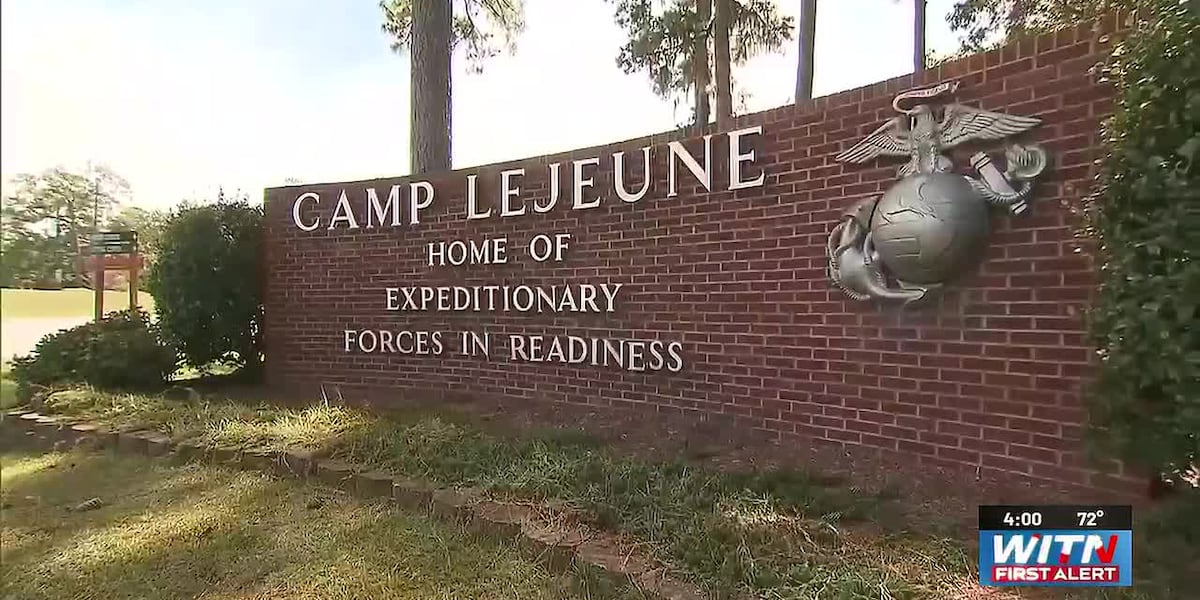
Trump’s Remarks on Camp Lejeune and Victims’ Support in Light of Midterm Elections
Former President Donald Trump recently addressed the potential funding for victims affected by toxic water contamination at Camp Lejeune, North Carolina. His comments highlighted concerns regarding future financial assistance should the Republican Party lose the upcoming midterm elections.
Toxic Water Crisis at Camp Lejeune
Camp Lejeune has been the focus of significant health concerns due to contaminated drinking water, which has been linked to various illnesses among veterans and their families living on the base between 1953 and 1987. Following these revelations, efforts have been made to provide support and compensation to those affected, allowing for greater access to necessary health care services and legal recourse.
Trump’s Warning on Funding Risks
During a recent event, Trump stated, “No money” would be available for victims of the water contamination if the GOP fails to secure wins in the midterm elections. His remarks suggest that the political future of such compensation hangs in the balance, potentially influencing voter sentiments leading up to the elections.
Impact of Political Landscape on Victim Support
The former president’s statement raises important questions about the level of commitment from political leaders to support victims of environmental hazards, particularly in times of shifting political dynamics. As the midterm elections approach, discussions on veteran support and environmental health are expected to take center stage.
Broader Implications for Veterans and Environmental Policy
- Legislative Actions: The outcomes of the midterm elections could significantly alter the legislative approach to military and environmental health issues.
- Public Awareness: Trump’s comments may serve to elevate public awareness regarding the toxic water crisis and its long-term ramifications.
- Future Funding Initiatives: Depending on the electoral outcomes, future funding initiatives to assist affected individuals may either be expanded or curtailed.
Conclusion
As the nation approaches the midterm elections, the dialogue surrounding the support for Camp Lejeune’s victims exemplifies the intricate ties between environmental health issues and political accountability. The fate of financial assistance for these individuals may very well depend on the forthcoming electoral outcomes.
