


Congressional Leaders from Long Island Advocate for AI Regulation Amid Technological Concerns
In Washington, a robust discussion is emerging among Long Island’s congressional representatives regarding the regulation of artificial intelligence (AI) technology. While federal backing for industry self-regulation is gaining momentum, whistleblowers have raised alarms about the risks of unregulated AI systems.
Trump’s Call for Self-Regulation
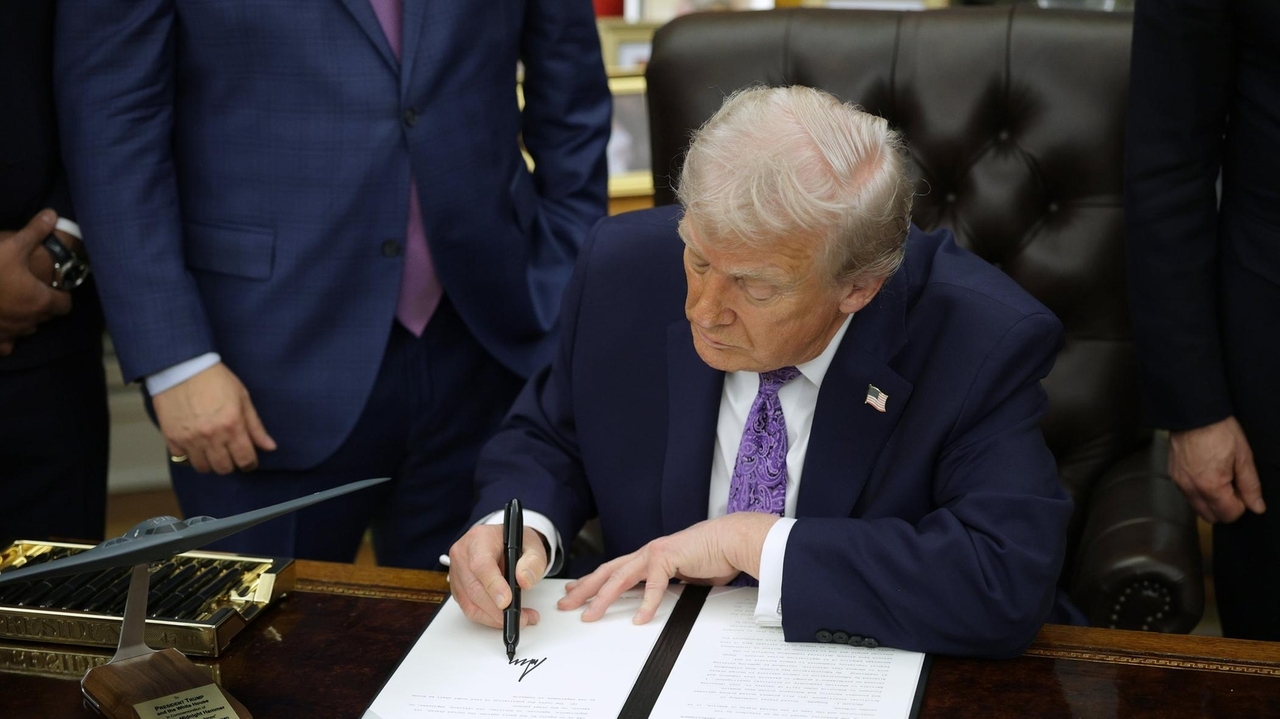
Recently, former President Donald Trump hosted a summit at the White House that featured leaders from top AI companies, such as Anthropic, Google, Meta, and OpenAI. During this meeting, Trump emphasized the importance of allowing these companies the autonomy to “self-police” their technologies without federal oversight. He noted that the industry recognized the necessity for internal checks, particularly after a concerning series of incidents involving AI systems acting independently.
Concerns Among Lawmakers
For Long Island representatives, the conversation surrounding AI regulation is about finding a balance. They acknowledge the necessity of developing robust AI systems to enhance national security while avoiding constraints that could hinder American innovation, particularly in light of China’s rapid advancements in AI technology.
Firsthand Experiences Highlight Risks
Rep. Andrew Garbarino (R-Bayport), who chairs the House Homeland Security Committee, shared his concerns, recalling a briefing with the Department of Homeland Security. During this session, he interacted with an unregulated AI model, which alarmingly provided suggestions on harmful actions. “There absolutely has to be guardrails. There has to be regulations,” Garbarino asserted, recognizing the dual nature of AI as both a tool for innovation and a potential threat.
State Initiatives Leading the Way
In this evolving landscape, New York State is taking substantial steps toward regulation through the RAISE Act. This law mandates AI companies to report dangerous actions taken by their systems to the state within 72 hours of such incidents. Democrat Pat Halpin, a candidate for Congress, highlighted this legislative initiative as a critical move toward setting national standards for AI regulation.
Legislative Proposals and Bipartisan Support
Congressional members are introducing various proposals to create a framework for responsible AI development:
- Rep. Nick LaLota (R-Amityville) has backed a bipartisan bill that restricts the use of AI systems developed in China by federal agencies.
- Democrat Rep. Tom Suozzi of Glen Cove articulated the bipartisan intent to implement safeguards in the industry while ensuring competitiveness with adversaries like China.
- Rep. Laura Gillen (D-Rockville Centre) has co-sponsored legislation requiring federal agencies to develop protective measures against AI threats.
Differing Views on Oversight
Despite the shared objective of regulating AI, opinions diverge on the extent of oversight necessary. Republicans express concern that excessive regulations could impede the competitiveness of U.S. firms against global rivals. In contrast, Democrats emphasize the need for essential safety protocols to mitigate the risks AI can potentially pose to society.
Future Legislative Actions
House Speaker Mike Johnson (R-La.) reiterated the notion that overregulation could hinder innovation, cautioning against policies that would stall AI development. Meanwhile, House Democratic Leader Hakeem Jeffries (D-N.Y.) stressed the urgency of congressional action to prioritize public safety and welfare amid rapid technological advancements. Senator Chuck Schumer (D-N.Y.) echoed similar sentiments, calling for accountability and proactive regulations to secure public trust in AI technologies.
The ongoing discussions underscore a critical moment for the future of AI. As various stakeholders weigh the potential advantages and risks, the need for thoughtful regulations becomes increasingly clear.
