


Trinidadian Gay Activist Wins Landmark Appeal Against Oppressive Laws
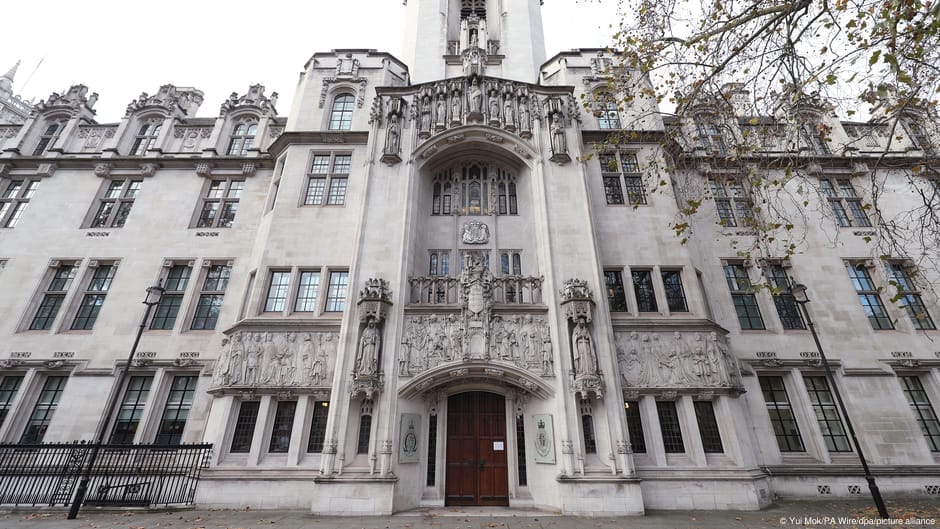
In a significant ruling, Jason Jones, a man from Trinidad and Tobago, has triumphed in a decade-long legal battle regarding the nation’s Sexual Offenses Act, which prohibits consensual sexual relations between adult males. This case culminated at the Judicial Committee of the Privy Council in London, the final court of appeal for several Commonwealth nations, including Trinidad and Tobago.
Background of the Case
Jason Jones, who openly identifies as gay, first challenged the 1986 Sexual Offenses Act on the grounds that it infringes on his constitutional rights. The initial victory at the High Court was later undercut by a partial reversal from the government and religious entities, prompting Jones to escalate the matter to the Privy Council.
Judgment from the Privy Council
On Tuesday, a panel of five judges unanimously supported Jones’ appeal, rejecting a counter-argument from the Attorney General of Trinidad and Tobago. The ruling declared that two specific provisions of the Sexual Offenses Act—pertaining to “buggery” and “serious indecency”—contradict the rights to private and family life as enshrined in the 1976 constitution.
The judges emphasized that the issues concerning Jones embody an essential aspect of human identity, stating that the capacity to engage in loving, intimate relationships lies at the heart of privacy rights.
“To discriminate against somebody simply because of who they choose to love is simply ridiculous,” stated Jones after the judgment.
Legal Arguments and Rationale
The Trinidadian authorities argued for the continued relevance of the 1986 law, contending that its historical context allows it to override individual constitutional rights. The Privy Council, however, dismissed this notion, asserting that the law must be demonstrably justifiable in a society that respects individual rights.
Legal representative Anand Ramlogan commented on the necessity of constitutional protections, emphasizing that such rights are critical to ensuring the dignity of all citizens, irrespective of public sentiment.
Profile of Jason Jones
At 61 years old, Jones has faced significant hardship due to his sexual orientation, notably facing homophobic violence and discrimination, which compelled him to leave Trinidad and Tobago in 1996. Reflecting on his victory, he described his feelings of anger over the treatment he has received from society, stating, “There is a real sense of vindication with this judgment. Finally, the courts are seeing that they need to step up because our politicians are so toothless.”
Inspired by personal tragedies and influential encounters, including meeting American artist Nina Simone, Jones has been vocal in advocating for LGBTQ+ rights, demonstrating resilience throughout his legal journey.
The Impact of the Ruling
The ruling from the Privy Council is notable, as although the enforcement of these laws has been rare, their existence has perpetuated an environment of intimidation for LGBTQ+ individuals. Activists across the Caribbean closely monitored this case, as similar statutes exist in several regions, with some countries having recently decriminalized such laws.
The Road Ahead
Trinidad and Tobago’s battle with colonial-era sexual offense laws reflects a broader struggle for LGBTQ+ rights in the Caribbean. The implications of this ruling could pave the way for further challenges against similar laws in the region, promoting a gradual move toward greater equality and acceptance.