


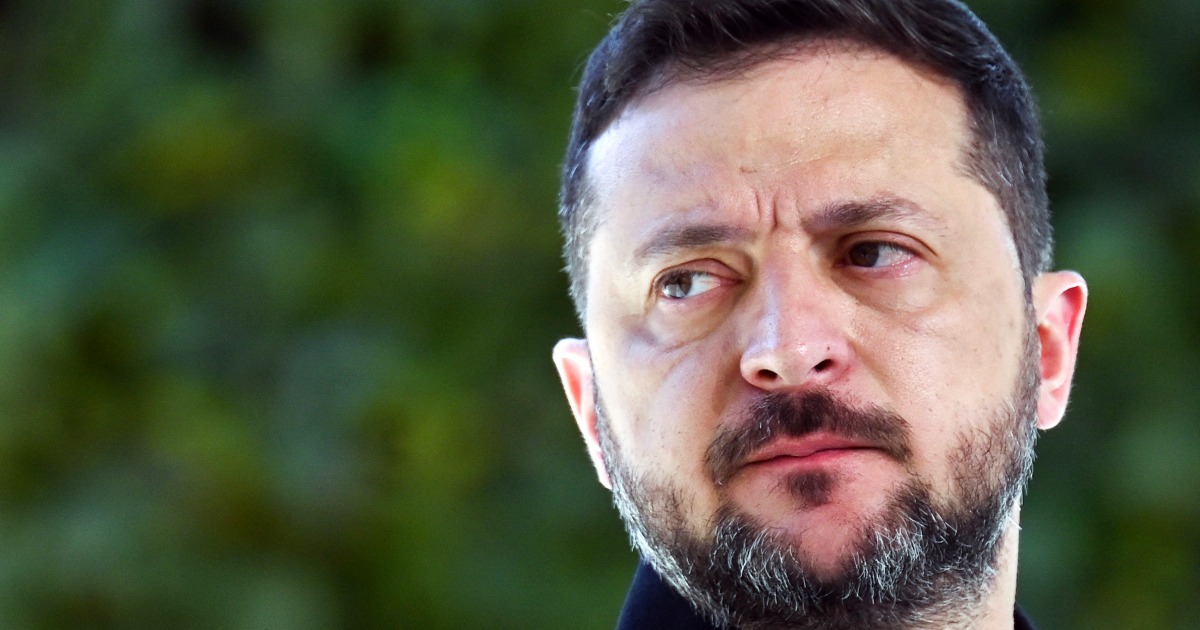
Ukraine Resumes Strikes on Russian Oil Refineries Amid U.S. Tensions
Ukraine has recommenced strikes on Russian oil refineries, reflecting escalating tensions after President Volodymyr Zelenskyy accused the United States of reneging on crucial support. He termed the U.S. withdrawal as “dangerous,” impacting Ukraine’s defense strategies against Russia.
Ceasefire and Renewed Military Actions
In an unusual move, Ukraine initially paused its attacks following former President Donald Trump’s announcement of an “energy ceasefire.” However, this pause lasted only three days, as Ukraine claimed that Russia continued its assaults on its power infrastructure. Frustrated by the lack of adherence to the ceasefire, Zelenskyy highlighted what he perceives as pressure from the U.S., citing problems related to intelligence sharing and access to the heavily relied-upon Starlink internet services.
Starlink and Military Communication
A representative from the Ukrainian Defense Ministry confirmed that functionality through Starshield, a military-grade version of SpaceX’s satellite service, had been partially restored following disruptions. Zelenskyy expressed his exasperation in a recent interview, stating, “The block (on attacking refineries) is out. We’re done.”
Incidents and Military Developments
Shortly after the escalation, reports emerged of a significant fire at an oil refinery in Russia’s Ryazan region, which local authorities described as part of Ukraine’s efforts to target Russian energy infrastructure. This comes as Ukraine grapples with the geopolitical ramifications of Trump’s recent moves to ease sanctions on Russian diesel exports, which are seen as attempts to influence Ukraine’s military strategies.
Repercussions of U.S. Policy Changes
The abrupt shifts in U.S. policy, particularly Trump’s call for Ukraine to cease its military actions against Russian oil facilities, have left Ukrainian officials uneasy. Many fear that these actions could signal a waning commitment from the U.S. in supporting Ukraine against the ongoing Russian invasion.
Impacts on Defense Capabilities
Compounded by the operational limitations posed by Starlink’s connectivity issues, Ukraine has reported significant operational challenges as Russian drone activity escalates. Zelenskyy noted that over 850 Russian drones have been identified as posing threats across Ukrainian airspace. He highlighted the timing of this surge, noting the impact of U.S. support restrictions on Ukraine’s defensive capabilities.
The Role of Elon Musk and Starlink
Elon Musk, whose technological equity plays a vital role in Ukraine’s military communication, has emerged as a controversial figure amid these tensions. Musk indicated that decisions regarding Starshield’s functionalities are ultimately directed by U.S. military leadership, linking back to Trump’s influence. His comment on social media suggesting Zelenskyy’s departure further complicated negotiations.
Concerns Over Military Intelligence
Reports have surfaced indicating that the U.S. may be withholding vital military intelligence from Ukraine, a situation that Zelenskyy found particularly troubling given recent missile strikes on Kyiv that occurred without the expected forewarnings from their allies. Ukrainian officials continue to seek clarity on whether recent operational hindrances are due to technical issues or a strategic shift from their U.S. partners.
Conclusion
The withdrawal of intelligence support along with technological limitations presents a precarious situation for Ukraine as it braces for intensified Russian offensives. As winter approaches, the reliability of U.S. assistance remains crucial to Ukraine’s defense capabilities. The recent geopolitical maneuvers by former President Trump and their implications for U.S.-Ukrainian relations have raised alarms among European and Ukrainian officials regarding future support in the ongoing conflict.
The White House has yet to publicly address Zelenskyy’s allegations and the recent developments regarding military tactics and strategies.